
Why self-teaching beats bootcamps now
The market has shifted. Five years ago, a bootcamp was the fastest track into software engineering because free resources were fragmented and outdated. Today, structured online learning platforms rival traditional programs in quality while offering a fraction of the cost and significantly more flexibility.
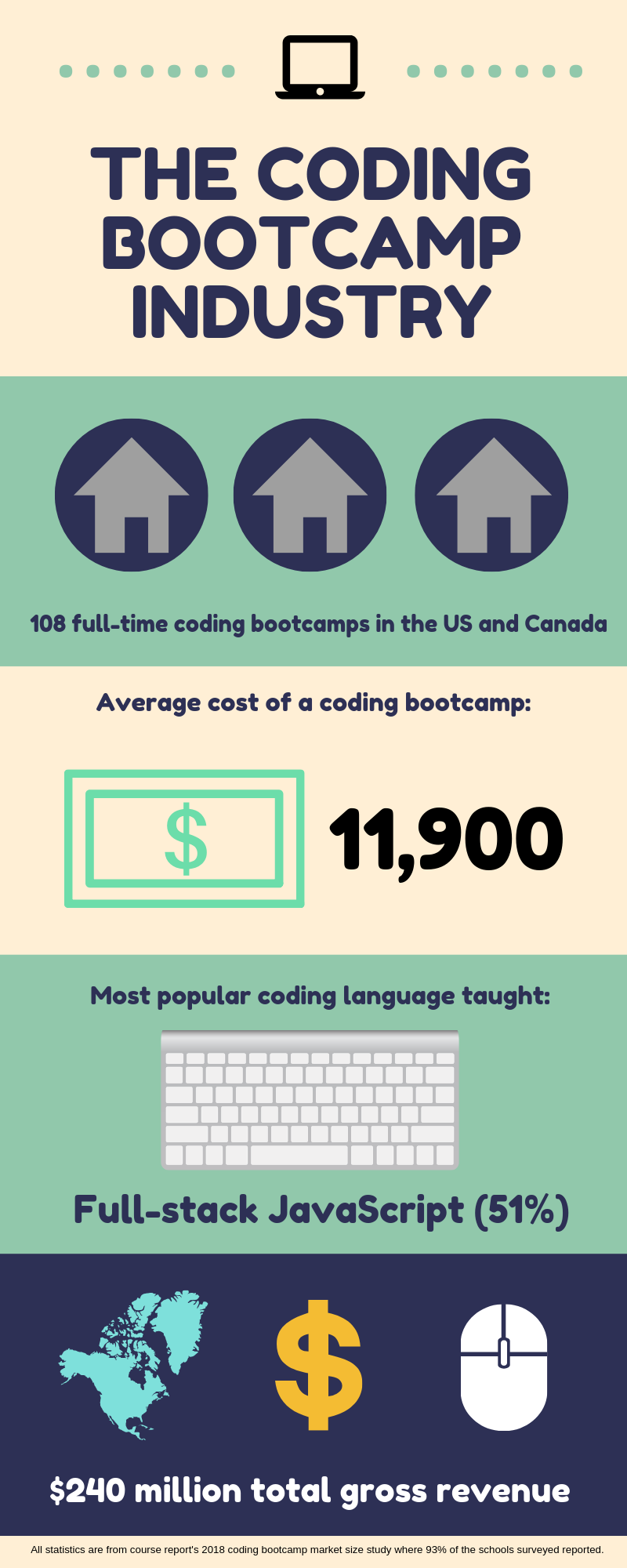
Bootcamp tuition now routinely exceeds $15,000, often requiring income share agreements or high-interest loans that trap graduates in debt before they land their first role. In contrast, self-directed paths using platforms like Udemy, FreeCodeCamp, or Scrimba cost between $0 and $500. This price difference is not just about saving money; it changes the risk profile entirely. You can iterate on your learning path without financial penalty.
More importantly, the quality gap has closed. Modern curriculum providers offer interactive coding environments, peer reviews, and up-to-date tech stacks that match what bootcamps teach. The barrier is no longer access to information, but the discipline to complete it.
Employers are also adjusting their hiring criteria. As noted by industry analyses, the prestige of a bootcamp certificate is diminishing compared to tangible proof of skill. A strong GitHub portfolio built through self-directed projects often carries more weight than a certificate from a well-known program, especially when the candidate can demonstrate problem-solving abilities in real-world scenarios.
The shift isn't about whether self-teaching works—it's about recognizing that the infrastructure now supports it effectively. The challenge is no longer finding resources, but curating the right ones and maintaining consistency.
Compare structured learning platforms
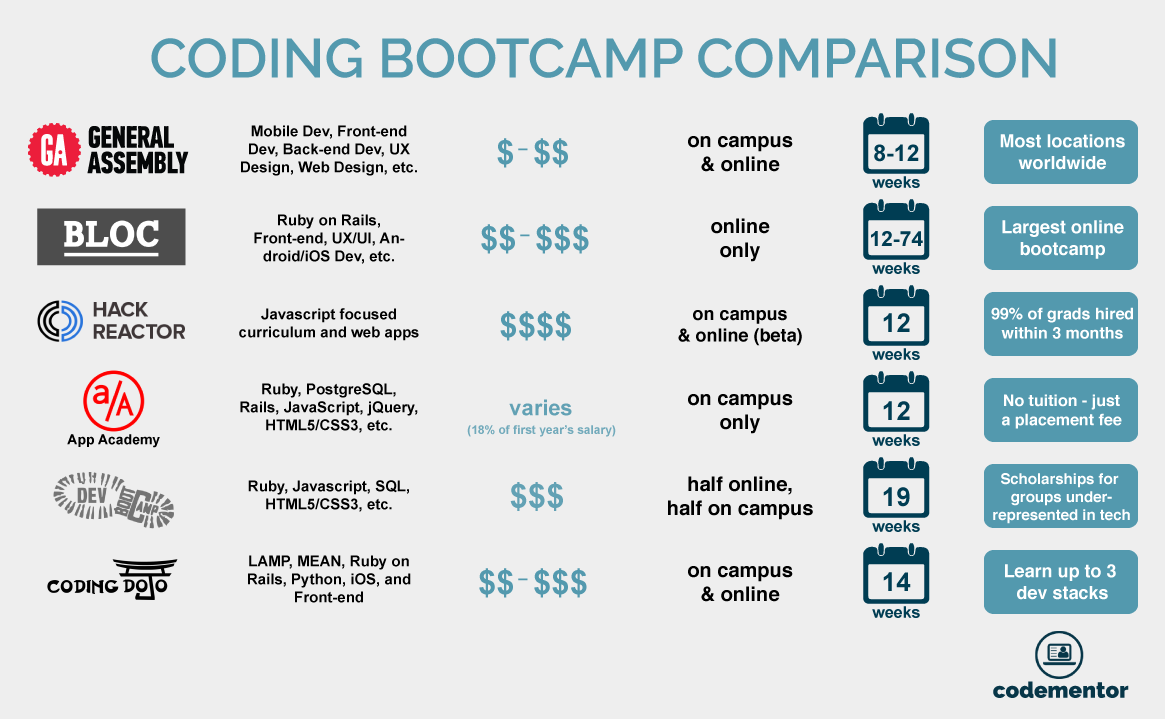
Coding bootcamps promise rapid career transitions, but their high price tags and intensive schedules don't fit every learner. Several structured online alternatives offer comparable curriculum depth with more flexibility and lower costs. These platforms range from free, community-driven resources to paid, career-focused courses that mirror bootcamp outcomes.
Choosing the right alternative depends on your learning style, budget, and timeline. Some learners thrive with the rigid structure and mentorship of paid programs, while others prefer the self-paced freedom of open-source curricula. The key is matching the platform's format to your ability to stay disciplined without a forced cohort schedule.

The following comparison highlights four prominent options: freeCodeCamp, Scrimba, Codecademy, and Udemy. These platforms represent different approaches to structured learning, from completely free and open-source to premium, interactive career tracks.
freeCodeCamp stands out for its completely free, project-based curriculum. It is ideal for self-motivated learners who want to build a portfolio without financial commitment. The platform covers everything from basic HTML to full-stack development, with a strong emphasis on contributing to open-source projects.
Scrimba offers a unique interactive video format where you can pause and edit code directly within the video player. This makes it particularly effective for visual learners and those focusing on frontend technologies like React and CSS. The Pro tier provides career paths and mentorship, bridging the gap between free resources and bootcamp support.
Codecademy provides a highly guided, interactive experience that is excellent for beginners. Its structured lessons break down complex concepts into manageable steps, making it easier to grasp fundamentals. The Pro subscription unlocks career paths and projects, offering a more comprehensive learning journey than the free tier.
Udemy operates on a course-by-course model, allowing you to buy specific classes that interest you. This is perfect for learners who want to target a specific skill, such as Python for data science or advanced JavaScript, without committing to a full curriculum. Prices fluctuate, but sales often bring courses down to very affordable rates.
Building a portfolio without a cohort
Coding Bootcamp Alternatives That Actually Work works best as a clear sequence: define the constraint, compare the realistic options, test the tradeoff, and choose the path with the fewest hidden costs. That order keeps the advice usable instead of decorative. After each step, pause long enough to check whether the recommendation still fits the reader's actual situation. If it depends on perfect timing, unusual access, or a best-case budget, include a simpler fallback.
Prepare for technical interviews without a career services team
Self-taught developers lack the structured interview prep and career coaching that bootcamps provide, but they can build a comparable strategy using open resources and deliberate practice. The goal is to simulate the pressure and structure of a real hiring process before you apply.
Build a mock interview routine
Treat technical interviews like a sport that requires repetition. Use platforms like LeetCode or HackerRank to practice algorithmic problems, but don’t just solve them—record yourself explaining your logic out loud. This builds the communication skills that often trip up self-taught candidates who are used to working in isolation.
Create a curated study plan
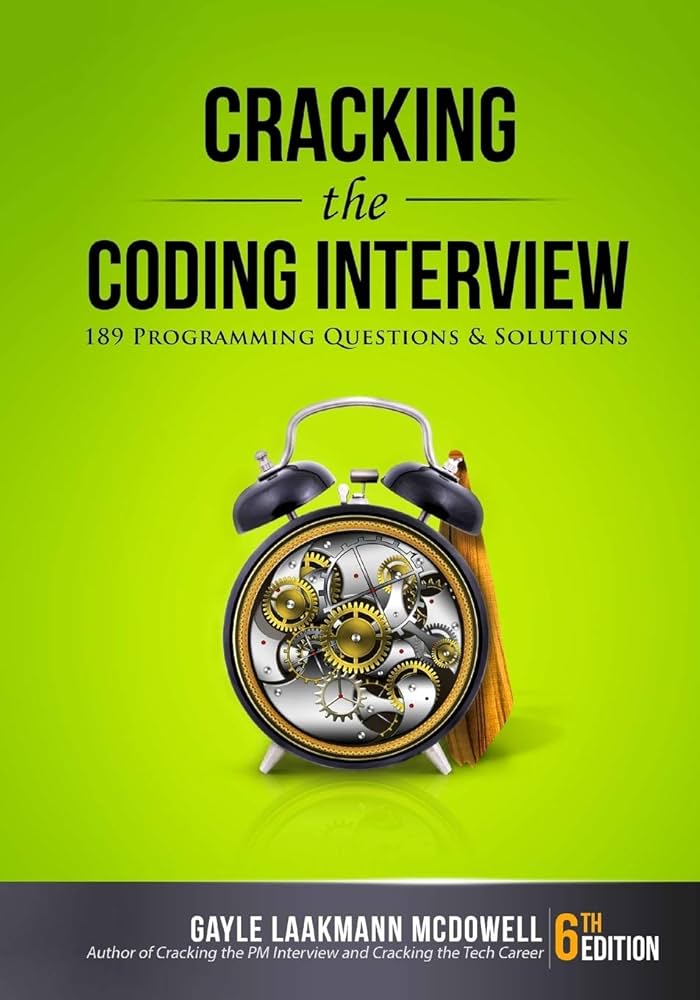
Instead of random coding challenges, follow a structured path. Start with data structures and algorithms, then move to system design basics. Use resources like "Cracking the Coding Interview" or "A Common-Sense Guide to Data Structures and Algorithms" to ensure you are covering the right topics in the right order.
Practice behavioral: what to check next
Technical skills get you the interview; behavioral skills get you the job. Prepare stories using the STAR method (Situation, Task, Action, Result) for common questions like "Tell me about a time you faced a technical challenge." Practice these with a friend or mentor to refine your delivery.

As an Amazon Associate, we may earn from qualifying purchases.
Frequently asked questions about alternatives
Employers increasingly prioritize demonstrable skills over the specific path taken to acquire them. While bootcamps offer structured curricula, self-directed alternatives like freeCodeCamp or Scrimba can yield equally strong outcomes if paired with a robust portfolio. The key is proving competence through code rather than certificates.
Do employers respect self-taught developers?
Yes, provided you can show working projects. Hiring managers care less about whether you attended a bootcamp and more about your ability to solve problems. A GitHub repository with consistent contributions and clean code often outweighs a generic certificate. Employers value diversity of thought, and career-changers from other fields bring unique perspectives that are highly desirable.
Are online certifications worth the investment?
Certificates from platforms like Udemy or Coursera offer foundational knowledge but hold little weight in hiring decisions on their own. They serve as learning aids, not proof of employability. Instead of paying for certificates, invest time in building real-world applications. A deployed web app or a complex algorithm implementation demonstrates skill far more effectively than a completion badge.
How do I compete with bootcamp graduates?
Bootcamp graduates benefit from structured mentorship and career services, but you can bridge this gap by joining open-source communities and contributing to public repositories. Engaging with developer forums and participating in hackathons provides the networking and practical experience that bootcamps promise. Focus on building a strong personal brand through technical blogs or open-source contributions to stand out.
No comments yet. Be the first to share your thoughts!