
Direct answer: Viable bootcamp alternatives
The most practical alternatives to a coding bootcamp fall into three distinct categories: self-paced online courses, professional certifications, and structured free resources. Each option trades the high cost and intensity of a bootcamp for greater flexibility and lower financial risk.
Self-paced courses on platforms like Udemy or Coursera allow you to learn at your own speed without the pressure of a cohort. This approach suits disciplined learners who need flexibility but still want a guided curriculum. Professional certifications, such as those offered by AWS or Google, provide a standardized credential that can validate your skills to employers without the time commitment of a full bootcamp.
Free resources like freeCodeCamp or Scrimba offer high-quality, project-based learning at no cost. While these paths require significant self-motivation and lack the network of a traditional program, they are viable for building a strong portfolio. The trade-off is clear: you save money and time, but you must manage your own schedule and learning path.
| Option | Cost | Structure | Best For |
|---|---|---|---|
| Self-Paced Courses | Low ($10-$100) | Guided but flexible | Budget-conscious learners |
| Certifications | Medium ($100-$300) | Standardized exams | Validating specific skills |
| Free Resources | Free | Community-driven | Highly motivated self-starters |
Comparison of Top Learning Platforms
Choosing the right coding bootcamp alternative depends on your budget, learning style, and career goals. The following table compares five popular platforms across four critical dimensions: price, structure, certification value, and ideal candidate profile.
| Platform | Price | Structure | Certification | Best For |
|---|---|---|---|---|
| Codecademy | Free & Pro ($15-20/mo) | Self-paced interactive modules | Completion certificates (not accredited) | Absolute beginners testing the waters |
| freeCodeCamp | Free | Self-paced project-based curriculum | Verified certifications (non-accredited) | Budget-conscious learners seeking portfolio projects |
| Coursera | $39-79/mo (subscription) | University-style courses with deadlines | Professional Certificates (industry-recognized) | Learners wanting academic rigor and credentials |
| Udacity | $249-399/mo (Nanodegree) | Mentor-guided, project-heavy | Nanodegree (industry-recognized) | Career switchers needing mentorship and code reviews |
| AlgoCademy | Free & Pro tiers | Gamified coding challenges | Badges and progress tracking | Developers preparing for technical interviews |
Cost vs. Structure Trade-offs
The most significant trade-off in coding education is between cost and structure. Platforms like freeCodeCamp and Codecademy offer low barriers to entry, allowing you to learn at your own pace without financial commitment. However, the lack of external accountability often leads to high dropout rates.
Conversely, Udacity and Coursera charge premium prices but provide structured curricula with mentorship, code reviews, and career services. These programs mimic the intensity of traditional bootcamps, offering the discipline needed to complete a complex curriculum. If you struggle with self-motivation, the higher cost of a guided program is often justified by the increased completion rate.
Certification Value
Not all certificates carry equal weight in the job market. While freeCodeCamp certificates are free and respected for demonstrating practical project skills, they do not replace a degree. Coursera and Udacity offer professional certificates that are often recognized by hiring managers as evidence of structured training, particularly when backed by university or corporate partnerships.
For entry-level roles, a strong portfolio built through freeCodeCamp or Codecademy can be more impactful than a certificate alone. For mid-level transitions or specialized roles (like data science), the accredited credentials from Coursera or Udacity may provide the necessary signal to recruiters.
Cost and time commitment breakdown
Choosing a coding bootcamp alternative requires a clear-eyed look at the financial and temporal trade-offs. While bootcamps offer structure, they come with a steep price tag. Alternatives like self-directed learning or community college courses demand more discipline but significantly lower costs.
Bootcamps typically range from $10,000 to $15,000 for a full-time, immersive experience. This high cost buys you a curated curriculum, mentorship, and career services, compressing months of learning into weeks. In contrast, self-directed learning through platforms like freeCodeCamp, The Odin Project, or Coursera can cost between $0 and $500. You pay for individual courses or certifications, but you bear the full responsibility for scheduling, curriculum design, and motivation.
The time commitment is equally divergent. Bootcamps are designed to be intensive, often requiring 40-60 hours per week for 12-16 weeks. This "all-in" approach is suitable for those who can pause other life commitments. Self-paced learning, however, stretches over 6-12 months or more. It requires consistent, weekly effort—often 10-15 hours—balanced alongside a job or other responsibilities.
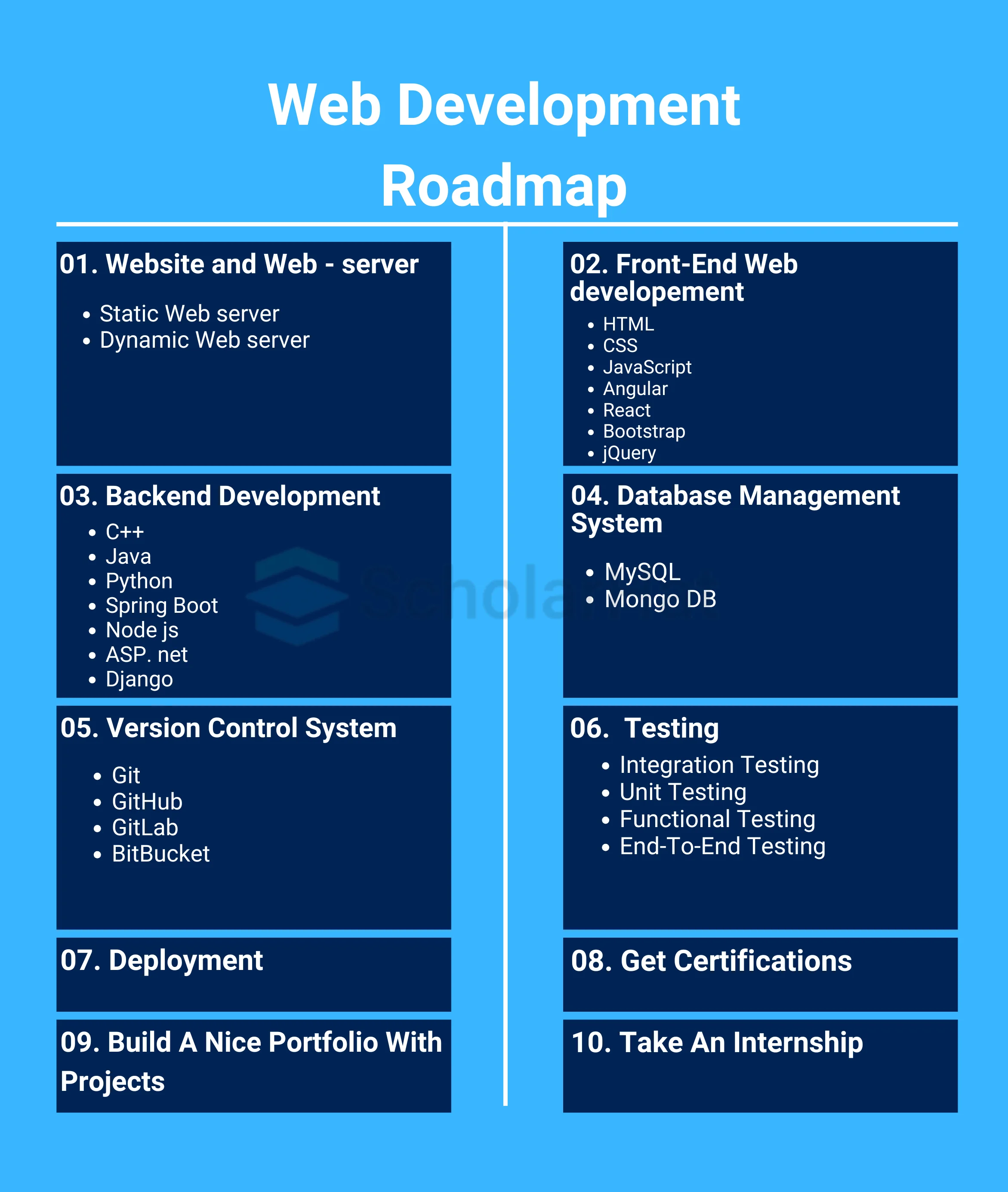
The decision hinges on your current resources. If you have savings and need a job quickly, the bootcamp model may be worth the investment. If you are risk-averse with your finances or have limited weekly hours, the slower, cheaper path of self-directed learning offers a viable entry point into development.
Community Support and Accountability
Self-directed learning lacks the built-in structure and peer pressure that drive consistency in bootcamps. Without a cohort, it is easy to stall when debugging becomes frustrating or motivation dips. However, you can replicate this environment by intentionally joining active developer communities.
Platforms like Reddit’s r/codingbootcamp and r/learnprogramming offer real-time feedback and shared resources. These spaces allow you to ask specific questions and see how others navigate similar roadblocks. Engaging here turns isolation into a collaborative experience.
To maintain accountability, pair these communities with structured challenges or study groups. The goal is to replace the missing curriculum with a self-imposed rhythm. Consistency matters more than speed; regular engagement with peers keeps you on track without the cost of a formal program.
How to choose the right path
Selecting an alternative to a coding bootcamp requires matching your learning style, budget, and career timeline. Bootcamps offer high structure and career support at a premium price, but structured self-study and community-led programs can deliver comparable technical skills for a fraction of the cost if you have the discipline to manage your own curriculum.
The most effective approach begins with a low-risk test. Before committing to a paid program or a multi-month self-study plan, complete a free introductory course in your target language. This step clarifies whether you enjoy the logic of coding and helps you identify specific gaps in your foundational knowledge.
When comparing options, weigh the trade-off between structure and cost. Self-directed paths using platforms like freeCodeCamp or The Odin Project are nearly free but demand high self-motivation. Community-led cohorts or mentorship programs offer accountability and networking without the bootcamp price tag, typically costing between $500 and $2,000. For those seeking the highest level of structure, paid online academies like Flatiron School or App Academy offer job guarantees but require a significant financial investment.
| Path | Cost | Structure | Best For |
|---|---|---|---|
| Self-Directed (Free) | $0 | Low | Disciplined learners with clear goals |
| Community Cohorts | $500–$2,000 | Medium | Those needing accountability and networking |
| Paid Online Academies | $5,000–$15,000 | High | Career switchers needing job support |
Ultimately, the "right" path depends on your current employment status and financial runway. If you can afford to pause work, a structured paid program may accelerate your transition. If you need to maintain income, a part-time self-study or community-led path allows you to build skills while working, though it requires longer-term patience.
Frequently asked: what to check next
These questions address the most common concerns when weighing bootcamp alternatives against traditional self-study or degree paths.
How much do coding bootcamp alternatives cost?
Most alternatives are significantly cheaper than full-time bootcamps. Platforms like freeCodeCamp are free, while subscription services like Codecademy Pro or Udacity Nanodegrees typically range from $30 to $300 per month. In contrast, bootcamps often cost $10,000 to $20,000 upfront. The trade-off is that lower-cost options usually lack the intensive career support and networking events that justify a bootcamp's high price tag.
Can I get a job without a degree or bootcamp certificate?
Yes, but the path is steeper. Employers increasingly prioritize portfolios and technical interviews over credentials. A strong GitHub profile with real-world projects often outweighs a certificate from a non-accredited online course. However, bootcamps provide structured career coaching and employer partnerships that can shortcut the initial job search, a resource self-learners must build themselves.
How long does it take to learn to code on your own?
Self-paced learning varies widely based on commitment. Dedicated self-study typically requires 6 to 12 months of consistent effort (15-20 hours per week) to reach junior developer competency. Bootcamps compress this into 12-16 weeks of full-time immersion. The self-paced route offers flexibility but demands high self-discipline to avoid procrastination or gaps in foundational knowledge.
Essential Tools for Self-Directed Learning
Building a developer career without a bootcamp requires replacing institutional structure with disciplined tooling. The trade-off is clear: you save thousands in tuition, but you must curate your own curriculum and track your own progress. The right resources bridge the gap between scattered online tutorials and a cohesive, job-ready skill set.
Curated Learning Paths
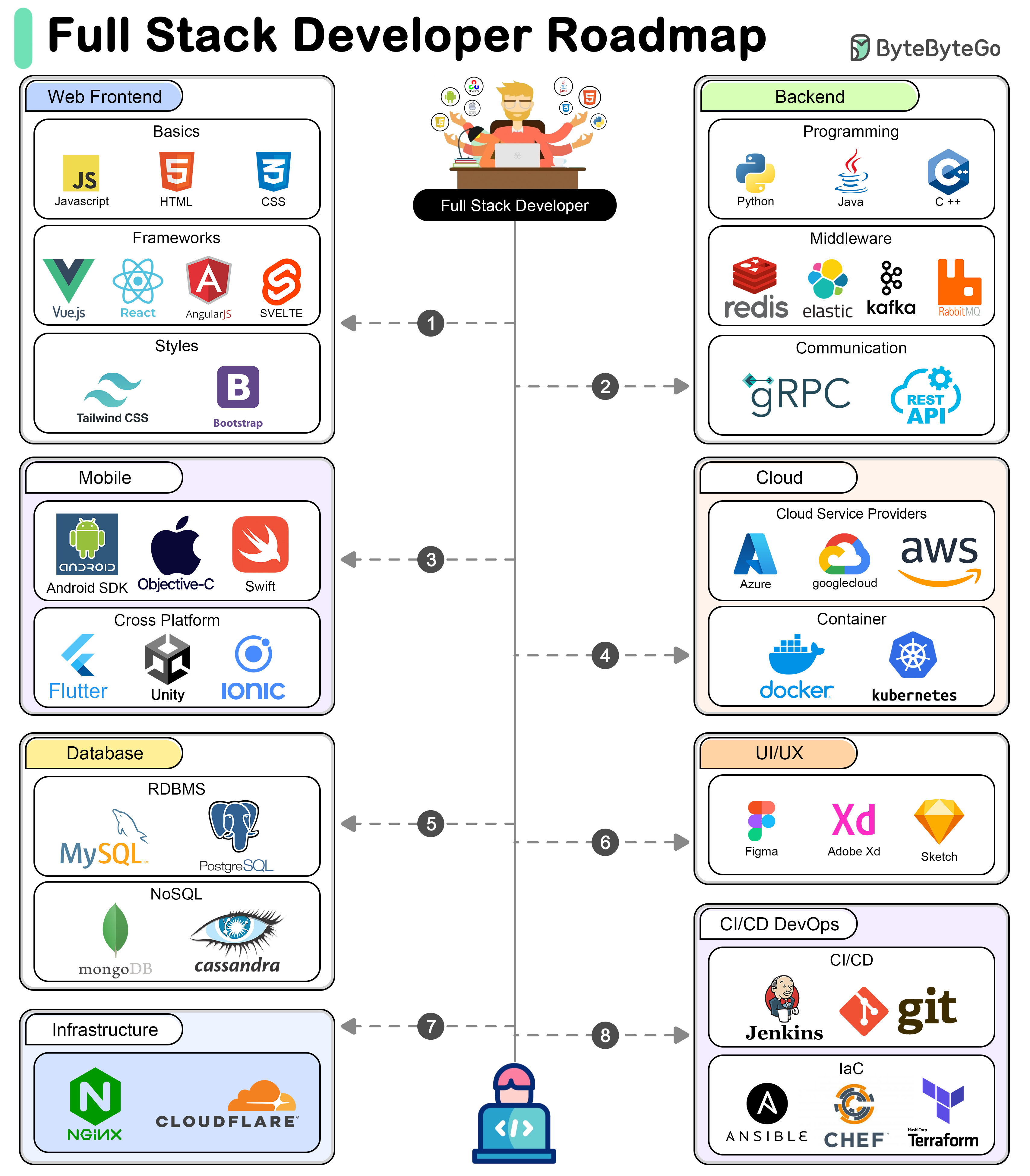
A visual roadmap prevents the common pitfall of jumping between unrelated technologies. The ByteByteGo Full-Stack Developer Roadmap provides a structured hierarchy of concepts, from version control to system design. It acts as a checklist to ensure you are not missing foundational topics while building projects.
Reference Materials and Practice
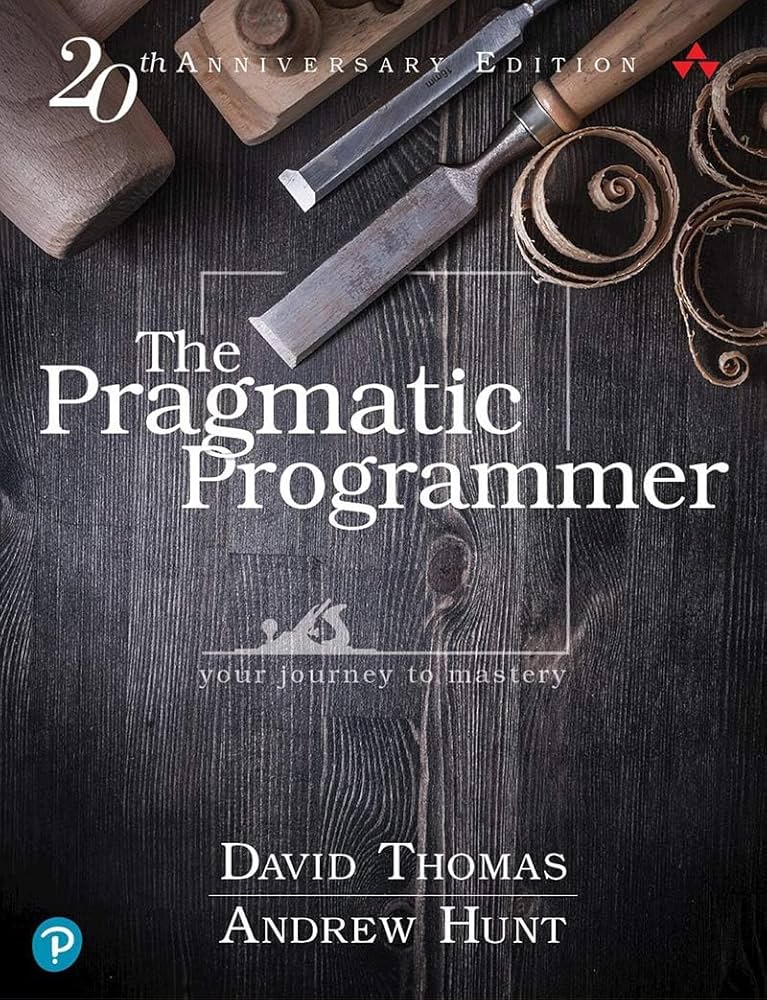
For deep technical understanding, structured books often outperform fragmented blog posts. They provide consistent terminology and comprehensive coverage that is difficult to find in free tutorials. Pairing these with hands-on coding platforms ensures you apply theory immediately.

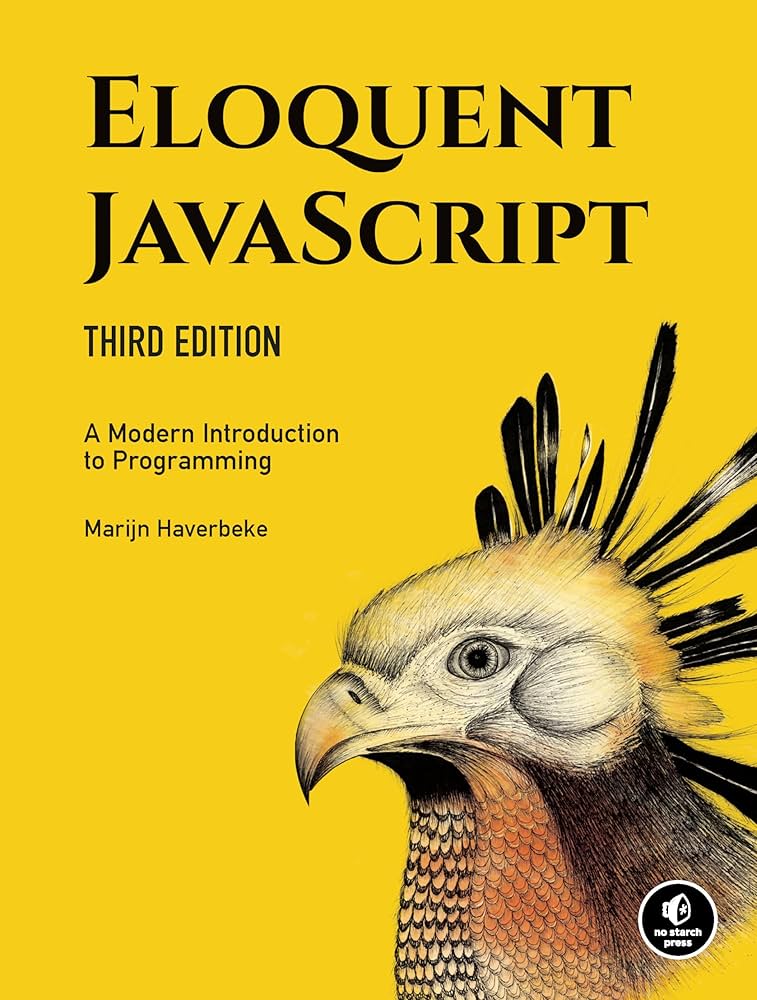
As an Amazon Associate, we may earn from qualifying purchases.
No comments yet. Be the first to share your thoughts!