
The Three Main Paths to Coding Without a Bootcamp
If you are looking for coding bootcamp alternatives, the landscape has shifted significantly. You no longer have to choose between a high-pressure, expensive immersive program or no structured learning at all. Instead, three distinct paths have emerged, each offering a different balance of cost, time, and credential value.
The first option is self-paced online learning. Platforms like freeCodeCamp, Scrimba, and Udemy offer flexible, low-cost entry points. This route is ideal for disciplined learners who want to test the waters or upskill in specific languages without a fixed schedule. However, the lack of external accountability means completion rates can be low without a strong personal routine.
The second path is community colleges and universities. These institutions provide structured curricula, accredited degrees, and often financial aid. While the tuition is typically much lower than private bootcamps, the timeline is longer, spanning semesters rather than weeks. This route is best for those seeking a formal credential and a deeper theoretical foundation in computer science.
The third option involves specialized online academies. These programs sit between the extremes of self-study and university degrees. They often offer mentorship, structured projects, and career support, mimicking the bootcamp experience but with greater flexibility and often at a lower price point. This is a strong alternative for career-changers who need guidance but cannot commit to a full-time, in-person schedule.
| Path | Typical Cost | Duration | Credential |
|---|---|---|---|
| Self-Paced | $0 - $200 | Variable | Certificate of Completion |
| Community College | $1,000 - $5,000/year | 1-2 Years | Associate Degree |
| Online Academy | $500 - $3,000 | 3-6 Months | Professional Certificate |
Comparing the Top Coding Bootcamp Alternatives
Choosing the right path depends on your budget, schedule, and how much hand-holding you need. The table below breaks down the most popular coding bootcamp alternatives so you can scan the key details at a glance. We’ve focused on cost, time commitment, and the type of career support each platform offers.
| Platform | Approx. Cost | Duration | Structure | Career Support | Best For |
|---|---|---|---|---|---|
| freeCodeCamp | Free | Self-paced | Self-paced, project-based | Community forums, local meetups | Budget-conscious self-starters |
| Codecademy Pro | ~$249/year | Self-paced | Guided interactive lessons | Certificate of completion | Building foundational skills |
| Coursera (University Certs) | ~$49–$99/month | 3–6 months | Guided, academic syllabus | University-backed certificates | Structured, credential-focused learning |
| Udacity Nanodegrees | ~$249–$399/month | 1–4 months | Guided, mentor-reviewed | Mentorship, career services | Specialized tech stacks (AI, Data) |
| Community Colleges | Varies (often <$5k total) | 1–2 years | In-person or hybrid, semester-based | Career centers, alumni networks | Traditional degree seekers |
Notice how the options range from completely free to university-backed credentials. If you are disciplined and want to save money, self-paced platforms like freeCodeCamp or Codecademy are excellent starting points. However, if you struggle with motivation or need a structured curriculum with human feedback, guided programs like Coursera or Udacity may be worth the investment. Always check the latest pricing, as subscription models and financial aid options can change frequently.
Self-paced platforms for flexible learning
Self-paced platforms offer the ultimate freedom for coding bootcamp alternatives, allowing you to learn on your own schedule and budget. This route typically involves using resources like freeCodeCamp, Scrimba, or individual Udemy courses. The appeal is obvious: you pay a fraction of the cost of a traditional bootcamp and only spend time on the skills you actually need.
However, this flexibility comes with a significant trade-off. Without the rigid structure of a cohort-based program, motivation can wane quickly. Industry data suggests that self-directed learners face much higher dropout rates because there is no instructor holding you accountable or peers pushing you forward. It requires a high degree of self-discipline to manage the vast amount of available information without getting lost.

If you choose this path, treat your learning like a part-time job. Set specific weekly goals and stick to a curated curriculum rather than jumping between random tutorials. While the initial investment is lower, the time required to complete a job-ready skill set is often longer than in a structured environment. Use these platforms to build foundational knowledge, but be prepared to supplement with community support or mentorship to stay on track.
University certificates and accredited paths
If you prefer a structured, formal education over the intensive sprint of a bootcamp, university certificates and accredited degrees offer a robust alternative. These programs provide the credential recognition that many enterprise employers still prioritize, often serving as a safer long-term investment for your career trajectory. While the upfront cost and time commitment are higher, the depth of theoretical knowledge and the prestige of the institution can open doors that self-taught skills sometimes struggle to unlock on their own.
Community colleges remain one of the most reliable alternatives to coding bootcamps. Many institutions offer associate degrees or certificate programs in computer science, web development, or IT. Tuition is typically much lower than that of bootcamps or four-year universities, and financial aid is often available, making this a financially savvy route for many learners.
Four-year universities provide a comprehensive curriculum that covers not just coding, but also software engineering principles, data structures, and algorithms. This academic rigor can be a significant advantage in technical interviews and for roles requiring deep architectural understanding. However, be prepared for a longer timeline; completing a bachelor’s degree typically takes four years, while certificate programs may take one to two years part-time.
When comparing these accredited paths to bootcamps, consider the following trade-offs:
| Feature | Bootcamp | University/Certificate |
|---|---|---|
| Time Commitment | 3-6 months | 1-4 years |
| Cost | $10,000-$20,000 | $2,000-$50,000+ |
| Credential Type | Certificate/Diploma | Degree/Accredited Certificate |
| Financial Aid | Rare (Income Share Agreements) | Common (FAFSA, Scholarships) |
| Curriculum Depth | Practical, job-focused | Theoretical and practical |
Specialized academies with mentorship
If a traditional bootcamp feels too intense and self-study lacks structure, specialized online academies offer a middle ground. These programs provide a curated curriculum and direct access to human mentors, bridging the gap between passive video watching and the high-pressure environment of an immersive cohort. You get the guidance of an instructor without the full price tag or the requirement to quit your job.
Unlike massive open online courses (MOOCs) where you are one of thousands, academies like AlgoCademy or Codecademy Pro often include code reviews and career coaching. This human element is critical for debugging complex logic or refining your portfolio. According to general industry comparisons, these platforms typically range from $20 to $100 per month, making them significantly more affordable than the $10,000+ tuition of many coding bootcamps.
The trade-off is discipline. Without a fixed start and end date, you must manage your own pace. However, the flexibility allows you to integrate learning into your current work schedule. For aspiring developers who need accountability but not immersion, this structured yet flexible approach is often the most sustainable path to gaining job-ready skills.
What the Community Actually Says
While online courses offer flexibility, the consensus among developers is that self-teaching often lacks the structure needed to stay motivated. A common thread in forums like r/codingbootcamp is the skepticism surrounding solitary learning paths. Many learners report that without external accountability, the initial excitement fades quickly when debugging becomes difficult.
"You could buy a Udemy course, use freeCodeCamp, Scrimba - or anything else out there. Statistically this doesn't work because it puts the entire burden of curriculum design and pacing on you."
Peer support transforms coding from a solitary chore into a collaborative skill. Community colleges, often cited as the most reliable alternative, provide not just lower tuition but also the social scaffolding that self-study misses. This environment helps bridge the gap between watching a tutorial and actually building a portfolio that employers respect.
How to choose your learning path
Selecting the right coding bootcamp alternative depends on balancing three main constraints: budget, time, and your need for structure. There is no single best option for everyone; instead, the best fit aligns with your current life situation and learning style.
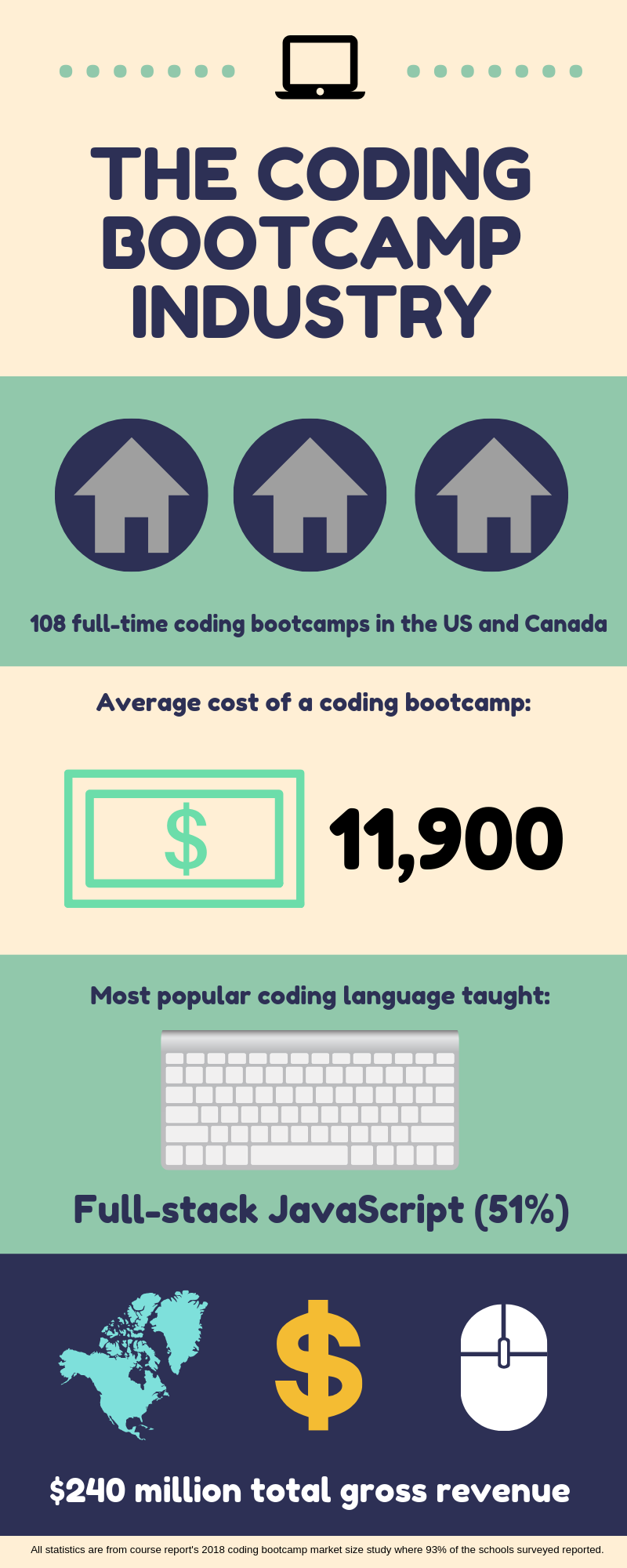
Traditional bootcamps often cost $10,000 to $15,000, which is a significant barrier for many. If you are working with a tight budget, self-paced platforms like freeCodeCamp or low-cost subscriptions like Codecademy Pro offer a fraction of the price. Community colleges also provide accredited certificates at a much lower tuition rate, often with financial aid options.
Full-time bootcamps require 40+ hours a week for several months, which is impossible if you have a full-time job or family commitments. If you can only dedicate 5–10 hours weekly, look for part-time online courses or modular programs. These allow you to progress at your own speed without the pressure of a fixed cohort deadline.
Self-directed learning requires high discipline. If you struggle with motivation or need immediate feedback, a structured course with mentors and code reviews is essential. Platforms like Scrimba or Coursera offer guided paths with community support. If you are highly self-motivated, you can piece together a curriculum from various free resources, but this requires more initial research.
To help you decide, consider this quick checklist:
- Budget under $500? Look at freeCodeCamp, Udemy sales, or YouTube tutorials.
- Time under 10 hours/week? Choose part-time bootcamps or self-paced university certificates.
- Need job placement support? Traditional bootcamps or university career services are stronger than most self-paced platforms.
Your learning path should fit your life, not the other way around. Start by identifying your biggest constraint and choose the alternative that respects it.
Frequently asked questions about alternatives
Choosing a path outside a traditional bootcamp can feel overwhelming, but the options are more structured than you might think. Here are answers to the most common questions about how these alternatives compare in cost, time, and career impact.
The right choice depends on your learning style and budget. Whether you prefer the structure of a community college or the flexibility of online modules, each path offers a viable route to a tech career.
No comments yet. Be the first to share your thoughts!