
Why look beyond bootcamps
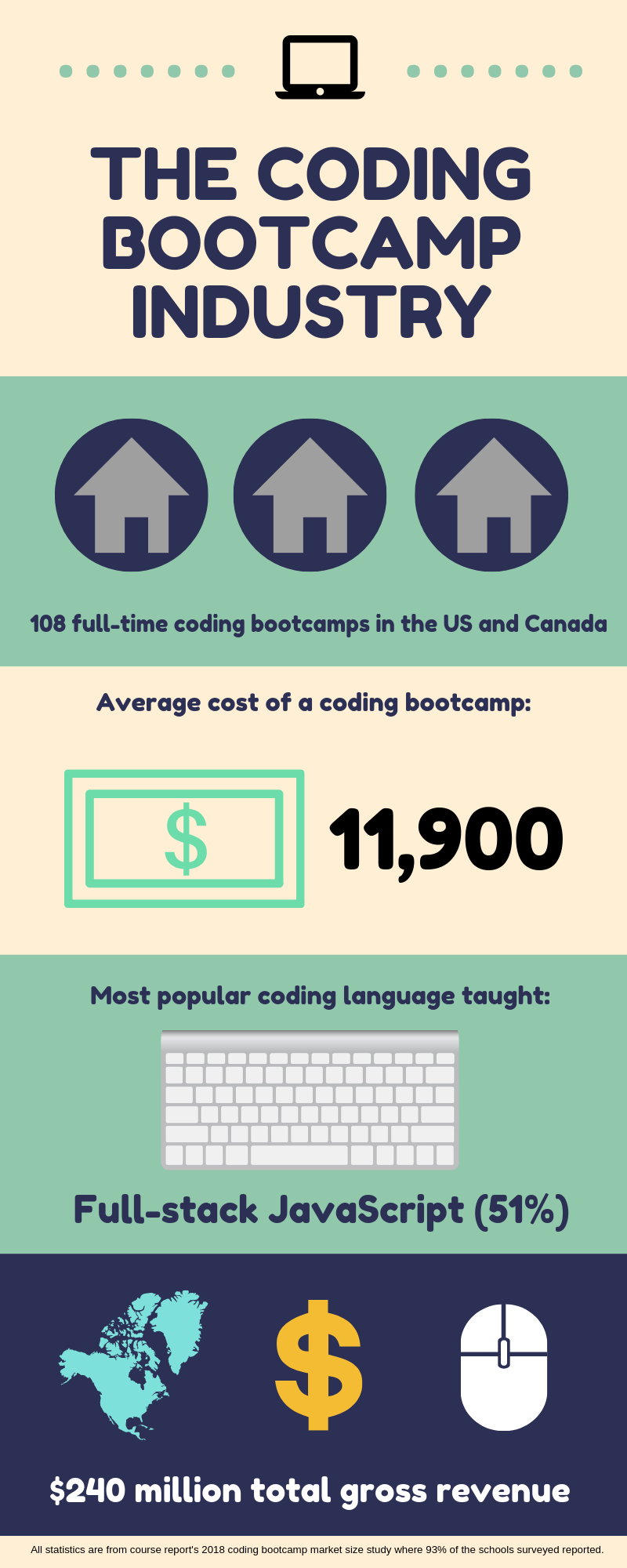
The coding bootcamp model has hit a wall. Tuition often ranges from $10,000 to $20,000, yet entry-level developer roles have become significantly more competitive. The high cost no longer guarantees a return on investment, prompting many to seek coding bootcamp alternatives that offer better flexibility and lower financial risk.
Today, you can piece together a structured education using affordable online courses, open-source projects, and community college programs. This approach saves money and allows you to tailor your learning to specific skills employers are hiring for. The stigma around self-taught developers has largely vanished; many hiring managers now value the discipline demonstrated by those who build their own portfolios through independent study.
Top structured alternatives ranked
Finding the right coding bootcamp alternative means balancing cost, time, and career support. The options below represent the most reliable routes for aspiring developers in 2026, ranging from self-paced online platforms to accredited community college programs.
1. Community College Certificate Programs
Community colleges offer associate degrees or certificates in computer science and web development. Tuition is typically much lower than bootcamps, and financial aid is often available. The structure is formal, with set semesters providing accountability, though the pace is slower (often a year or more) and career placement support may be less intensive than private bootcamps.
2. AlgoCademy
AlgoCademy focuses on algorithmic thinking and competitive programming, ideal for targeting top-tier tech interviews. It drills deep into data structures through interactive challenges. The cost is significantly lower (subscription-based), and the schedule is self-paced. While it lacks comprehensive career coaching, it is unparalleled for sharpening problem-solving skills required for technical interviews at major companies.
3. Codecademy Pro
Codecademy Pro offers structured, interactive learning paths from basic syntax to full-stack development. It is ideal for beginners needing immediate feedback. The subscription model keeps costs predictable. While it lacks the deep, project-based portfolio building of a bootcamp, it provides a solid foundation best used as a stepping stone to more advanced, project-heavy learning.
4. Udacity Nanodegrees
Udacity’s Nanodegrees are project-based and mentor-supported, bridging the gap between self-paced learning and bootcamp intensity. Programs include real-world projects reviewed by human mentors and are often co-created with industry partners like Google. The cost is higher than self-paced courses but lower than most bootcamps. Strong discipline is required, but mentor support helps keep learners on track.
5. Coursera Specializations
Coursera offers specializations from top universities like Stanford and Michigan, providing academic rigor and recognized certificates. These programs are self-paced but structured with weekly deadlines and peer-reviewed assignments. They are excellent for building theoretical knowledge, though career services are limited, requiring learners to proactively network and build their own portfolio.
6. FreeCodeCamp
FreeCodeCamp is a free, open-source platform offering a comprehensive curriculum for web development, data science, and machine learning. It is entirely self-paced and project-based, requiring learners to build certifications through real-world projects. The community support is vast, but the lack of structured mentorship means learners must be highly motivated. It is best for those who thrive in self-directed environments and want to build a strong portfolio without financial risk.
7. Udemy One-off Courses
Udemy offers individual courses on specific topics like JavaScript, React, or Python. These are not structured programs but focused deep-dives. They are extremely affordable, especially during sales, and allow learners to target specific skill gaps. Quality varies by instructor, so reviews are crucial. They are excellent for supplementing other learning paths or quickly picking up a new technology.
8. CS50 by Harvard
Harvard’s CS50 is a free, world-renowned introduction to computer science. It is rigorous, covering topics from C to Python and SQL, with demanding problem sets. It is ideal for those who want a strong theoretical foundation and are comfortable with a steep learning curve. It doesn't offer job placement, but the credential carries significant weight in the industry.
9. Pluralsight Skills Paths
Pluralsight offers skills paths curated by industry experts, covering various technologies and roles. It is subscription-based and includes skill assessments to help learners identify gaps. While it is not a bootcamp alternative in terms of career support, it is excellent for continuous learning and staying current with industry trends, best used by those who already have some coding experience.
10. LinkedIn Learning
LinkedIn Learning offers a vast library of courses on technical and soft skills, with paths tailored to specific job roles. It is subscription-based and integrates with LinkedIn profiles. The content is high-quality but often lacks the depth and hands-on practice of a bootcamp. It is best for beginners exploring different areas of tech or for professionals supplementing existing skills with industry-recognized certificates.
Community College vs. Online Courses
Choosing between a community college and online courses isn't just about money; it's about whether you need a formal credential to get past HR filters or if you just want to start building immediately.
The Community College Route
Community colleges offer distinct advantages for those who value structure and recognized credentials. Unlike bootcamps, these programs are part of the traditional higher education system, allowing you to use federal financial aid, veterans benefits, or state grants. The curriculum is usually more comprehensive, covering computer science fundamentals like data structures and algorithms. This theoretical depth can be a significant asset in technical interviews at larger companies. Earning an associate degree signals sustained discipline and academic rigor, providing a durable foundation for long-term career growth.
The Online Course Route
Platforms like Udemy, Coursera, and freeCodeCamp offer unparalleled flexibility. If you are a career changer who needs to keep your current job, online courses allow you to study at your own pace. The barrier to entry is incredibly low; you can start learning for under $20. However, this flexibility comes with a steep responsibility tax. Without rigid classroom structure, dropout rates are higher. You must be self-disciplined enough to push through difficult concepts without guidance. Additionally, while you gain practical skills, you lack the formal credential, meaning you may need to rely more heavily on a strong portfolio to prove your competence.
Which Path Fits Your Goals?
The right choice depends on your current situation. If you are looking for a career switch that requires a formal credential or if you thrive in a structured environment, community college is the safer bet. It provides a safety net of financial aid and academic support. Conversely, if you are already in tech and need to upskill quickly, or if you are highly self-motivated, online courses are more efficient. They allow you to target specific skills without wading through general education requirements.
Real developer perspectives
Developers who have navigated these paths frequently highlight a common theme: self-directed learning requires a level of discipline that structured programs artificially provide. Community sentiment often centers on the "motivation gap." Many users note that while resources like freeCodeCamp are excellent, the lack of external accountability can lead to unfinished courses. Buying a course or using free resources statistically doesn't work for everyone because it puts the entire burden of structure on the learner.
However, those who succeed with self-study or community college routes often report a deeper, more durable understanding of fundamentals. They argue that building a portfolio from scratch, rather than following a bootcamp's curated curriculum, better prepares them for the unstructured problem-solving of actual engineering roles. The consensus isn't that alternatives are harder, but that they demand a different kind of commitment.
Choosing the right path
There is no single "best" way to learn code, only the path that fits your current life. Your decision should hinge on three hard constraints: budget, time, and learning style.

Bootcamps often cost $10,000–$20,000. If that is out of reach, look at community colleges or free resources like freeCodeCamp. You can also use low-cost platforms like Udemy or Scrimba to build a portfolio without debt.
Bootcamps are usually full-time, 12–16 week commitments. If you have a job or family, choose part-time online courses or asynchronous programs. Community college courses offer a middle ground with structured semesters but slower pacing.
Do you need a mentor to stay accountable? Bootcamps provide this. Do you prefer learning at your own speed? Online courses or self-study are better. If you struggle with isolation, look for community-driven alternatives like local meetups or Discord groups.
No comments yet. Be the first to share your thoughts!