

How we picked the best programming courses
We evaluated programming courses based on four strict criteria: curriculum depth, instructor reputation, community support, and career relevance. Our goal was to identify programs that move beyond passive video watching and actually prepare you for professional development work. We prioritized courses that include hands-on projects, recognized certificates, and clear pathways to employment or freelance opportunities.
Curriculum Depth and Practical Application
A strong programming course must balance theory with immediate practice. We looked for syllabi that cover core concepts—such as data structures, algorithms, and language-specific syntax—while requiring learners to build functional applications. Courses that rely solely on lectures without coding exercises were excluded. We favored platforms like Coursera and edX, which partner with universities like Duke and Meta to offer structured, academic-grade content that mirrors real-world software engineering challenges.
Instructor Reputation and Industry Alignment
Instructors with active industry experience provide context that academic theorists often miss. We checked instructor profiles to ensure they have shipped production code, led engineering teams, or contributed to open-source projects. For example, courses taught by senior engineers from major tech companies or recognized educators like Harvard’s CS50 team carry more weight because they reflect current industry standards rather than outdated textbook examples.
Community Support and Career Outcomes
Learning to code is difficult, and isolation leads to high dropout rates. We assessed the strength of a course’s community by examining active forums, Discord servers, and peer-review systems. Strong communities allow learners to debug code, share projects, and network. Additionally, we considered career support services, such as resume reviews, mock interviews, and job placement partnerships, which are critical for transitioning into a new career.
Evaluation Checklist
Use this checklist to vet any programming course before enrolling:
-
Project-Based Learning: Does the course require building at least 3-5 complete applications?
-
Instructor Background: Does the instructor have verifiable professional experience in the language taught?
-
Community Activity: Are there active forums or peer groups for asking questions and sharing code?
-
Career Focus: Does the course offer certificate recognition or career services like job placement assistance?
-
Up-to-Date Content: Was the curriculum updated within the last 12 months to reflect current industry tools?
Best overall programming course: CS50
Harvard’s CS50 stands as the gold standard for foundational computer science education. It bridges the gap between abstract theory and practical application, offering a rigorous curriculum that has educated millions worldwide. Unlike fragmented tutorials, CS50 provides a structured path from binary to web applications, ensuring learners grasp the "why" behind the code.
The course is accessible to everyone, regardless of prior experience. It begins with Scratch, a visual programming language that demystifies logic before transitioning to C, Python, SQL, and JavaScript. This scaffolded approach builds confidence and competence, making complex topics like memory management and data structures digestible. The academic rigor is matched by its free accessibility, removing financial barriers to high-quality education.
Career outcomes for CS50 graduates are strong, with many leveraging the certificate to pivot into tech roles or accelerate their current careers. The program’s emphasis on problem-solving and algorithmic thinking prepares students for technical interviews and real-world development challenges. Its global community and extensive resources provide ongoing support long after the course ends.
The Odin Project: A Free, Full-Stack Path
For learners targeting full-stack developer roles without the burden of tuition, The Odin Project (TOP) offers a distinct advantage. Unlike self-contained video courses, TOP curates the best free resources across the web—MDN, freeCodeCamp, and official documentation—and structures them into a rigorous, project-based curriculum. It functions less like a lecture and more like a coding bootcamp simulation, forcing you to set up your own development environment and troubleshoot real-world errors.
The curriculum is divided into three core tracks: Foundations, Full Stack JavaScript, and Ruby on Rails. Each track culminates in substantial projects, such as building a chat application or a full e-commerce site. This approach ensures you aren't just watching code but writing it, debugging it, and deploying it. The emphasis on Git, command-line interfaces, and deployment pipelines mirrors the actual workflow of professional engineering teams, a skill set often glossed over in introductory tutorials.
While the open-source nature means there is no official support team or graded assignments, this freedom is its greatest strength. You learn to read documentation, search Stack Overflow, and leverage community Discord channels for help. This self-reliance is exactly what hiring managers look for in junior developers. The Odin Project proves that you don't need a paid certificate to build a portfolio that demonstrates competence.
Best for Python fundamentals: Meta Python Certificate
The Meta Python Certificate on Coursera is designed for learners who need practical, industry-relevant Python skills without getting bogged down in academic theory. Backed by Meta engineers, this professional certificate focuses on the specific libraries and workflows used in data science and backend development roles today.
The curriculum is structured to take you from writing your first script to building complex applications. You will learn core Python syntax, data structures, object-oriented programming, and error handling. Crucially, the course emphasizes real-world application, requiring you to complete hands-on projects that simulate tasks you would encounter in a professional engineering environment.
This program is particularly strong for career switchers because it aligns with job descriptions for junior Python developer and data analyst positions. By the end of the certificate, you will have a portfolio of code that demonstrates your ability to solve problems using Python, making it easier to show employers your practical capabilities rather than just theoretical knowledge.
The course is available on Coursera. You can audit individual courses for free or subscribe to the Professional Certificate for access to all graded assignments and the final credential. This flexible pricing model allows you to learn at your own pace while building a verified credential recognized by tech employers.


As an Amazon Associate, we may earn from qualifying purchases.
Best interactive learning: Codecademy Pro
Codecademy Pro stands out as the most effective starting point for absolute beginners who need immediate, in-browser coding exercises. Unlike passive video lectures, this platform requires you to type syntax directly into the browser, providing instant feedback on errors. This active recall method builds muscle memory and confidence before you ever open a local development environment.
The curriculum is structured to guide learners through foundational concepts in Python, JavaScript, SQL, and more. Each lesson breaks complex topics into small, digestible chunks, allowing users to progress at their own pace. The interactive nature of the exercises ensures that you are not just watching code but writing it, which is critical for retaining new skills.
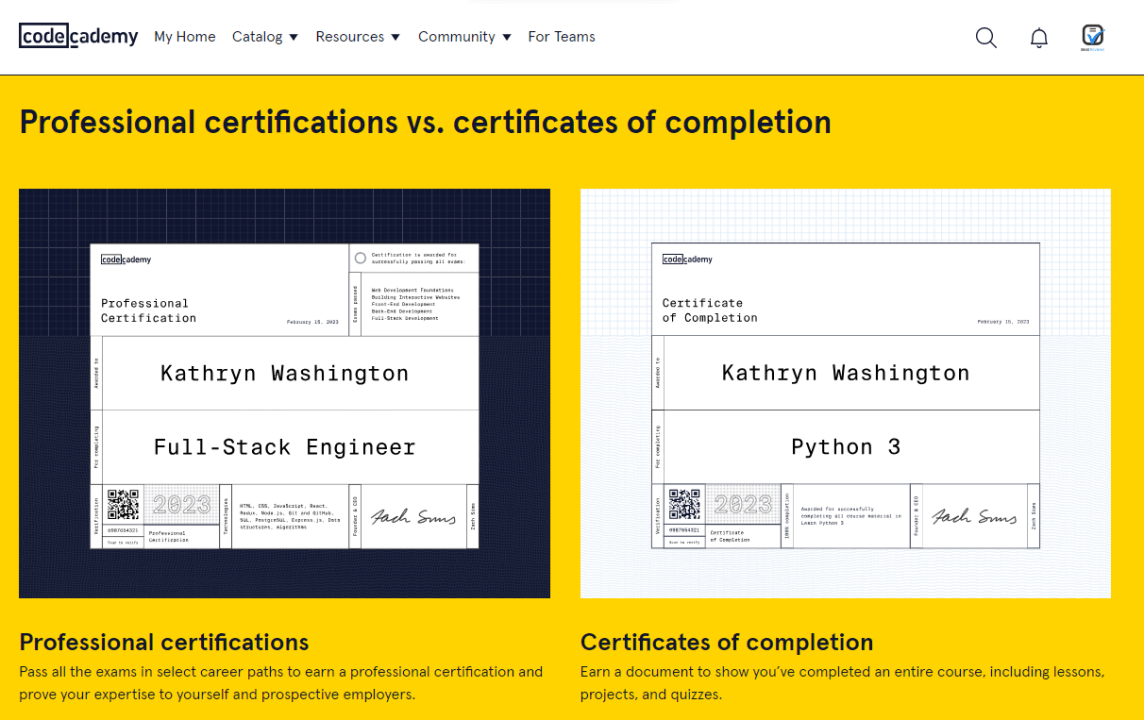
For those aiming for career readiness, the platform offers project-based learning paths that simulate real-world tasks. These projects allow you to build a portfolio of work that demonstrates practical ability to potential employers. The combination of structured learning and hands-on practice makes Codecademy Pro a reliable choice for launching a coding career.


As an Amazon Associate, we may earn from qualifying purchases.
Comparison of Top Programming Courses
Choosing the right starting point depends on your budget, schedule, and whether you need a credential for your resume. The table below breaks down four of the most reliable entry-level options, comparing their cost structure, time commitment, and certification status.
| Course | Cost | Duration | Certificate |
|---|---|---|---|
| Harvard CS50 | Free | 10–12 weeks | Yes (verified) |
| The Odin Project | Free | Self-paced | No |
| Meta Python (Coursera) | Subscription | ~4 months | Yes |
| Codecademy Pro | Subscription | Self-paced | Yes |
Harvard’s CS50 remains the gold standard for free, rigorous computer science education. It demands significant time but offers a recognized certificate that carries weight in academic and professional circles. The Odin Project is a favorite for self-starters who want to build a full-stack portfolio without paying tuition, though it lacks formal certification. For those preferring structured, bite-sized learning, Meta’s Python course on Coursera and Codecademy’s Pro tier provide flexible schedules and industry-recognized credentials upon completion, typically requiring a monthly subscription.
Recommended Coding Books and Tools
While video courses and interactive platforms form the backbone of modern coding education, reference materials and specialized software remain essential for deepening technical understanding and streamlining development workflows. Books provide structured, comprehensive explanations that video tutorials often skim, offering the depth needed to move from syntax memorization to conceptual mastery.
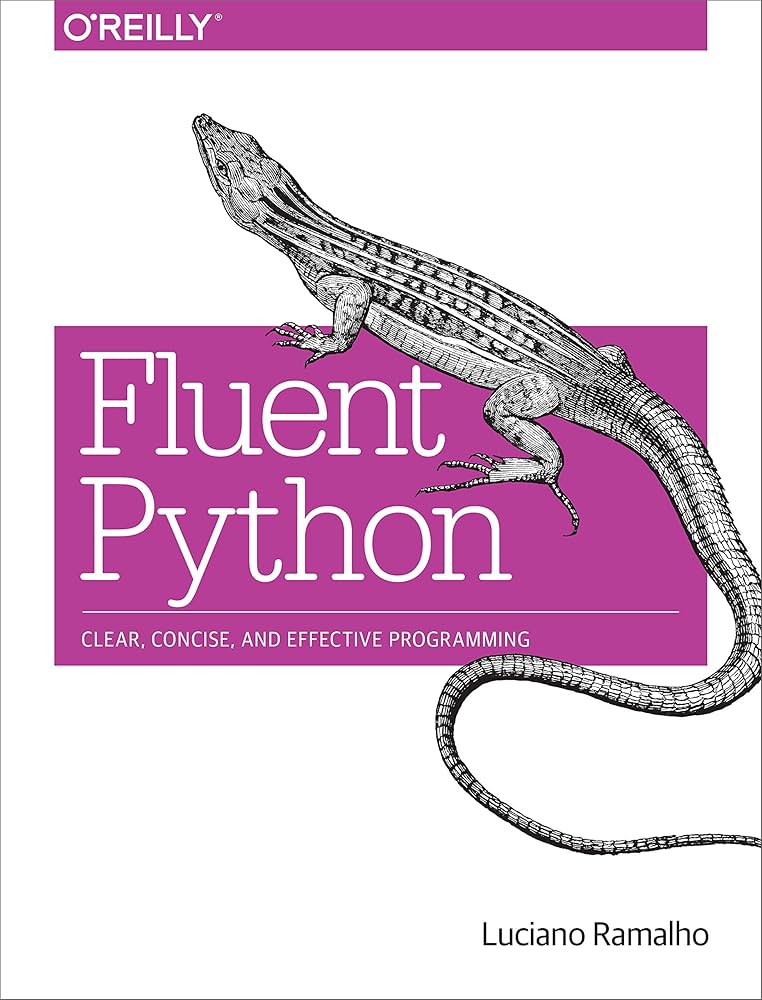
For beginners, visual guides like Python Crash Course or Head First Java break down complex logic into digestible, hands-on exercises. Intermediate and advanced learners benefit from authoritative references such as Clean Code by Robert C. Martin, which establishes professional standards for maintainable software, or Designing Data-Intensive Applications for those targeting backend engineering roles. These texts serve as career-long companions, helping developers write efficient, scalable code.
Beyond reading, the right tools accelerate learning. Integrated Development Environments (IDEs) like Visual Studio Code offer robust extensions for debugging and code completion, while Git is non-negotiable for version control. The following Amazon selections represent top-rated books and essential software licenses frequently cited by educators for their clarity and practical application.


As an Amazon Associate, we may earn from qualifying purchases.
Frequently asked questions about coding courses
Do online certificates help with getting hired?
Employers value demonstrable skills over paper credentials. A certificate from a reputable provider like Harvard’s CS50 or a specialized bootcamp signals discipline and foundational knowledge, but it rarely substitutes for a portfolio. Use these courses to build a GitHub repository with real projects; that evidence carries more weight than the certificate itself during technical interviews.
Can I learn to code without a degree?
Yes. The barrier to entry for self-taught developers has lowered significantly. Platforms like freeCodeCamp and The Odin Project offer structured, project-based curricula that mirror professional workflows. Many successful developers entered the field through these free resources, supplementing their learning with community forums and open-source contributions rather than traditional academic degrees.
How long does it take to learn Python basics?
With consistent daily practice of one to two hours, most beginners can grasp Python syntax and basic scripting within four to six weeks. Mastery, however, requires ongoing application. Focus on building small utilities or automating simple tasks to reinforce concepts. The goal is not just memorization but the ability to solve problems using the language’s standard library and third-party packages.
No comments yet. Be the first to share your thoughts!