
Coding bootcamp alternatives: Bootcamp vs. self-paced learning
Choosing between a structured bootcamp and self-paced learning is a choice between two different types of friction. Bootcamps compress years of curriculum into months, trading high cost and intense time commitment for a guided path and peer accountability. Self-paced learning offers flexibility and low cost but demands high self-discipline and carries a higher risk of dropping out without external pressure.
The right choice depends on your current schedule, learning style, and how quickly you need to enter the job market. Below is a direct comparison of the primary variables to help you weigh the tradeoffs.
| Feature | Bootcamp | Self-Paced | Mentorship |
|---|---|---|---|
| Cost | $10k-$20k | $0-$500 | High |
| Duration | 12-16 weeks | 6-24 months | Low |
| Structure | Fixed schedule | Flexible | None |
| Job Support | Career services | Self-directed | None |
| Peer Network | Strong | Weak | None |
| Dropout Risk | Low | High | None |
Bootcamps: Speed and Structure Bootcamps are designed for career switchers who need a rapid, intensive transition into the tech workforce. You pay a premium for a curated curriculum, live instruction, and career services that often include resume reviews and mock interviews. The fixed schedule removes the need to make daily decisions about what to study next, which is critical for those who struggle with self-regulation. However, the financial barrier is significant, and the pace can be overwhelming for beginners.
Self-Paced: Flexibility and Affordability Platforms like freeCodeCamp, Scrimba, and Udemy allow you to learn at your own speed, making them ideal for those who must work while studying. The cost is negligible compared to bootcamps, often under $500 for a lifetime of courses. The tradeoff is the lack of structure. Without deadlines or instructors, it is easy to get stuck in "tutorial hell" or lose motivation. You must actively seek out community support and build your own portfolio to prove your skills.
Mentorship: The Hidden Variable Mentorship is the most significant differentiator. Bootcamps provide direct access to instructors and career coaches, which accelerates learning and opens doors to job opportunities. Self-paced learners must rely on community forums, Discord servers, or paid mentors, which requires proactive effort to find. If you thrive on direct feedback and accountability, the bootcamp model offers a support system that self-paced learning simply cannot match without significant additional effort.
Where each option wins
The right path depends on your current constraints and learning style. Bootcamps offer structure and accountability, while self-paced learning offers flexibility and lower upfront costs. Neither is universally better; they serve different stages of a career switch.
Bootcamps: Best for structured accountability and career support
If you struggle with self-discipline or need a clear roadmap, bootcamps provide the scaffolding many career switchers lack. You get a defined curriculum, peer pressure to keep up, and access to career services that help enter the job market.
This option shines for those who need external motivation. The cost is high, but the time-to-hire can be faster due to dedicated career coaching and networking events. It’s less about the content and more about the environment.
Self-paced learning: Best for budget-conscious and independent learners
Self-paced learning suits those who can manage their own schedule and have a limited budget. Platforms like freeCodeCamp, Scrimba, or Udemy allow you to learn at your own speed without the financial risk of a $10,000+ program.
This path requires high self-motivation. You are responsible for curating your own curriculum and finding job opportunities. It works best for people who already have some technical aptitude or who are testing the waters before committing to a larger investment.
The Hybrid Approach
Many successful career switchers combine both. They start with free or low-cost self-paced resources to build foundational skills. Once they confirm their interest and basic competence, they invest in a bootcamp or advanced mentorship for the final push into the job market.
This strategy minimizes risk while maximizing support. It allows you to validate your commitment before making a significant financial and time investment.
Details Worth Checking
Picking a coding bootcamp alternative requires more than just comparing price tags. Whether you choose a self-paced curriculum or a part-time cohort, the hidden friction points often determine whether you actually land a job. Here is what you need to verify before committing your time and money.

If you are considering a bootcamp-style program, demand their most recent Graduate Report. Under the CAREER Act, accredited programs must publish verified employment data. Look for the methodology section: do they count any job in tech, or only roles directly related to your training? Self-paced platforms rarely offer this level of transparency, so you must build your own proof of competence.
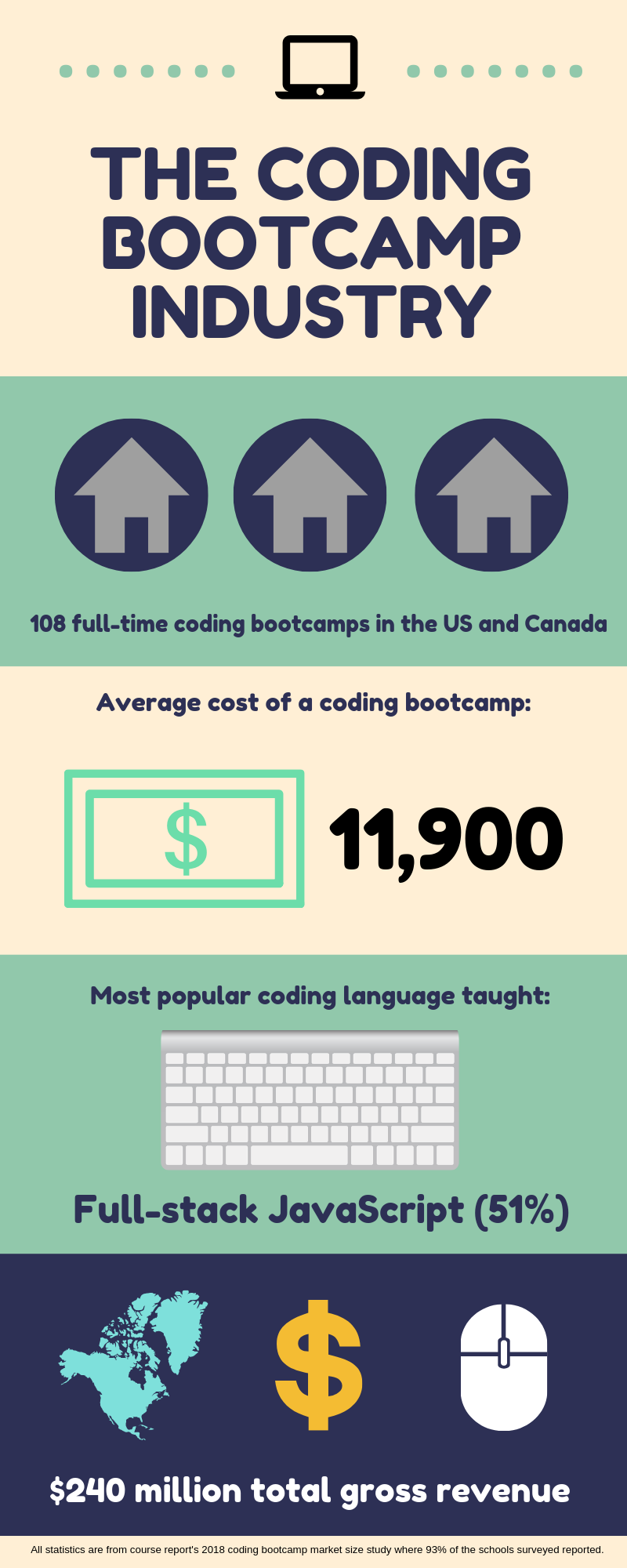
Many "free" coding resources operate on a freemium model. While the core content is free, advanced projects, code reviews, or certification exams often require a paid subscription. Read the fine print on auto-renewal policies. Some platforms make it difficult to cancel or refund fees after the first month. Calculate the total cost of completion, not just the entry price.
Self-paced learning lacks the structure of a classroom. If you get stuck on a bug for hours, do you have access to a mentor? Some platforms offer community forums, but response times can vary from minutes to days. Check if the platform provides code reviews or live Q&A sessions. Without timely feedback, you risk reinforcing bad habits or burning out on solvable problems.
Coding bootcamp alternatives: what to check next
Career switchers often weigh structured bootcamps against self-paced learning, but the decision hinges on specific constraints like budget, time, and learning style. Below are the most common practical objections and how they compare in the current market.
No comments yet. Be the first to share your thoughts!