
Why skip the bootcamp?
Coding bootcamps have long been the default shortcut into tech, but that path is getting harder to justify. The average tuition now sits between $10,000 and $20,000, often requiring you to take out loans or pause your income entirely. For many, the return on investment is no longer guaranteed, especially as the entry-level market becomes more competitive.
The shift toward self-directed learning offers a practical escape from this debt trap. Platforms like freeCodeCamp, Scrimba, and Udemy provide structured curriculums that cover the same core technologies—HTML, CSS, JavaScript, and backend frameworks—at a fraction of the price. You can access these resources on your own schedule, fitting study time around a current job or family commitments.
However, this freedom comes with a trade-off. Bootcamps provide accountability, peer support, and career services that you must replace with your own discipline. Success in self-teaching requires a consistent routine and the ability to troubleshoot problems independently. If you can build that habit, the financial and flexibility benefits are substantial.
Best structured online platforms
If you want the scaffolding of a bootcamp without the tuition debt, structured online platforms are the most reliable coding bootcamp alternatives. These platforms replace vague advice with a clear path: you follow a curriculum, complete interactive exercises, and build a portfolio. The trade-off is discipline. Without a cohort to keep you accountable, you must treat your study time like a part-time job.
The best platforms mimic the "learn by doing" approach of immersive programs. Instead of passive video lectures, you write code directly in the browser. This immediate feedback loop helps you catch syntax errors and logic gaps before they become bad habits. It’s a practical way to build muscle memory for real-world development tasks.
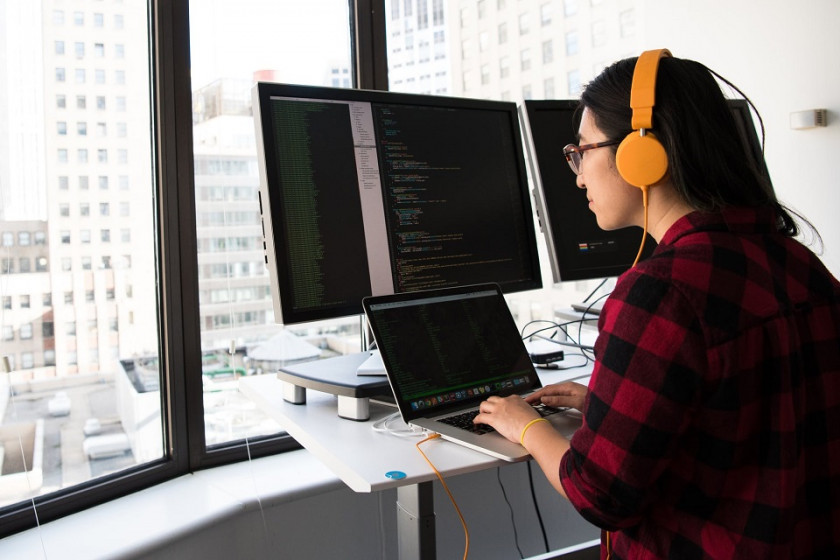
Below is a comparison of three top-tier options that offer the most robust structure for self-directed learners.
| Platform | Cost | Time Commitment | Best Use Case |
|---|---|---|---|
| Scrimba | Free & Paid Pro | Self-paced (10-20 hrs/week) | Interactive video & frontend projects |
| Codecademy | Free & Pro ($15-30/mo) | Self-paced (10-15 hrs/week) | Beginner syntax & interactive basics |
| The Odin Project | Free | Self-paced (20+ hrs/week) | Full-stack depth & local setup |
Free resources and open source paths
If you have the discipline to structure your own education, you can learn to code for free. These alternatives to paid coding bootcamps rely on community support and project-based learning rather than instructor-led lectures. The trade-off is simple: you save money, but you must build your own roadmap and stay motivated without a cohort.
Top platforms for self-directed learners
Several platforms offer high-quality, zero-cost curricula that rival paid programs. freeCodeCamp is the most popular option, offering a structured path through certifications in web development, data visualization, and machine learning. It relies heavily on interactive coding challenges and open-source projects.
Scrimba provides a unique interactive video format where you can pause and edit code directly within the lesson. This hands-on approach helps bridge the gap between watching a tutorial and writing actual software. The Odin Project is another excellent resource, focusing on full-stack JavaScript. It curates the best free materials from across the web and provides a strict project-based curriculum that mimics a real development environment.
The reality of self-teaching
While these resources are powerful, they require significant self-discipline. A Reddit thread on r/codingbootcamp highlights that statistically, self-taught learners often struggle without a structured plan or community accountability. Unlike a bootcamp, there is no professor to push you when you get stuck. Success here depends on your ability to seek help in community forums and build a portfolio of real projects.
Building a portfolio without a degree
The goal of these free paths is not just to learn syntax, but to build a portfolio that proves your skills to employers. Focus on completing the capstone projects offered by freeCodeCamp or The Odin Project. These projects serve as tangible evidence of your ability to solve problems, which is often more valuable to hiring managers than a certificate of completion.
Can I get a job with only free resources?
Yes, but you must build a strong portfolio. Employers care about what you can build, not how you learned. Completing projects from freeCodeCamp or The Odin Project demonstrates practical skills.
How long does it take to learn coding for free?
It varies, but most self-taught developers spend 6–12 months studying consistently. Unlike a 12-week bootcamp, self-paced learning requires you to manage your own schedule and motivation.
Are free certifications respected by employers?
Generally, no. Certificates from freeCodeCamp or similar platforms are not a substitute for a portfolio. Use them to structure your learning, but let your GitHub projects speak for your abilities.
What is the best free resource for beginners?
freeCodeCamp is often the best starting point due to its structured curriculum and large community. For those who prefer video tutorials, Scrimba offers an interactive experience that makes learning more engaging.
University degrees and certificates
For those who value structure and deep theoretical grounding, a university degree or formal certificate remains a solid coding bootcamp alternative. While bootcamps prioritize speed, academic routes take a longer, more deliberate path. This approach is less about rapid upskilling and more about building a comprehensive foundation in computer science principles that can support a long-term career in technology.
The most traditional path is a Bachelor of Science in Computer Science. These four-year programs cover algorithms, data structures, operating systems, and mathematics in rigorous detail. Employers often view these degrees as a signal of discipline and problem-solving ability, particularly for roles in software engineering, research, or large-scale systems. However, the time commitment and cost are significant hurdles for many career changers.
If a full degree feels too heavy, university-issued certificates offer a middle ground. Many universities now offer online graduate certificates in specialized areas like data science, cybersecurity, or full-stack development. These programs are typically shorter—often taking one to two semesters—and carry the same institutional credibility as the degree itself. They provide the academic rigor without the multi-year commitment.
Another option is accredited online programs from platforms like Coursera or edX, which partner with universities such as Harvard or MIT. You can earn professional certificates or even full Master’s degrees remotely. This hybrid model combines the flexibility of self-paced learning with the validation of a recognized academic institution. It is a realistic choice for those who need to balance work and study while still wanting a credential that stands up to employer scrutiny.
How to choose your path
Choosing a coding bootcamp alternative is less about finding the "best" platform and more about matching a learning style to your current life constraints. The market is flooded with options, from self-paced video libraries to interactive browser-based editors. Picking the wrong one often leads to the "tutorial hell" trap, where you watch hours of content but can't write a single line of code on your own.
To navigate this, we recommend a simple three-step framework. Think of this as a diagnostic tool to filter out noise and focus on the resources that actually fit your budget, schedule, and career goals.
If you struggle with procrastination, self-taught platforms like Udemy or freeCodeCamp might leave you stranded. Look for alternatives with built-in deadlines and mentorship, such as Scrimba’s interactive courses or Coursera’s university-backed specializations. These provide the external accountability that bootcamps offer without the full-time tuition.
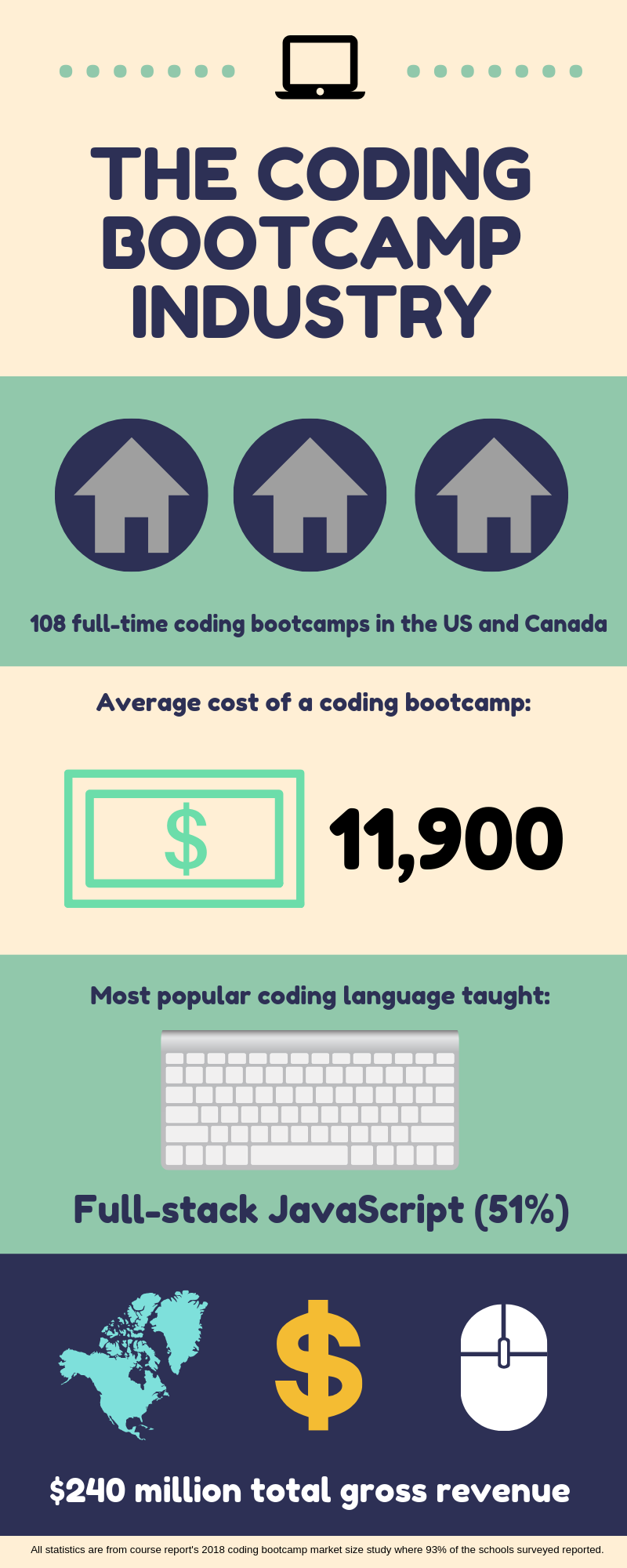
Bootcamps are expensive because they sell speed and career services. If your budget is under $500, focus on high-quality, one-off courses on Udemy or Codecademy. If you have more time but less money, freeCodeCamp and AlgoCademy offer comprehensive, project-based curricula that require significant self-discipline but cost nothing.
Do you need a certificate to pass HR filters, or do you just need a portfolio? If you are a career changer needing a credential, look into Udacity’s Nanodegrees or Coursera Professional Certificates. If you are building a startup or side project, focus on platforms that emphasize hands-on building, like Scrimba or freeCodeCamp, where your GitHub profile matters more than a piece of paper.
After walking through these steps, you should have a clear shortlist. Remember, the best alternative is the one you can stick with for at least three months. Consistency beats intensity every time in coding.
Tools to build your portfolio
A degree gets you past HR filters, but your portfolio gets you the interview. Shifting from passive learning to active building is the most critical step in any coding bootcamp alternative strategy. You need to create tangible proof of your skills that employers can review immediately.
Start by mastering the standard developer toolkit. GitHub is non-negotiable for version control, while VS Code remains the industry-standard editor. Complement these with Figma for design collaboration and Postman for API testing. These tools signal that you are ready for professional workflows, not just tutorial hell.
Building a job-ready portfolio requires more than just code snippets; it requires a structured environment. The right hardware and resources can significantly impact your productivity and learning curve. Consider investing in a mechanical keyboard for comfort during long coding sessions and a second monitor to keep documentation and code visible simultaneously.

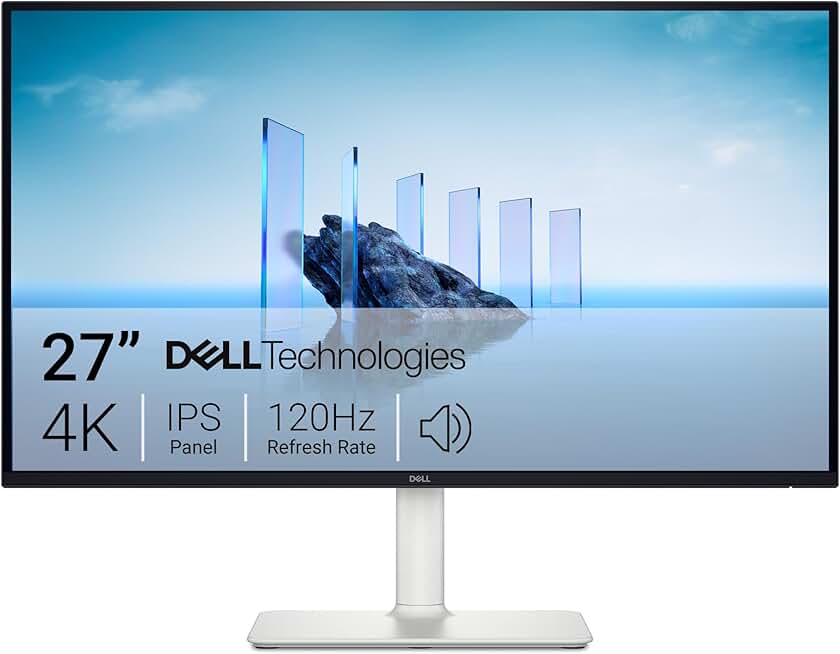

As an Amazon Associate, we may earn from qualifying purchases.
These tools are investments in your discipline. Self-teaching demands structure, and having the right equipment helps maintain the focus needed to complete real-world projects. Pair these resources with consistent practice on platforms like GitHub to showcase your progress.
Do employers respect self-taught devs?
The short answer is yes, but with a caveat: they respect proof. In the current market, a degree or a bootcamp certificate is just a starting line. What actually gets you hired is a portfolio that demonstrates you can solve real problems.
Employers are increasingly pragmatic. They care less about how you learned to code and more about what you can build. A well-structured GitHub profile with clean, documented repositories often speaks louder than a generic certificate. When you self-teach, you are forced to navigate documentation, debug independently, and build from scratch—skills that are directly transferable to the workplace.
That said, self-teaching requires significant discipline. Without the structure of a classroom, it is easy to get stuck or build bad habits. The key is to treat your learning like a job. Build projects that mimic real-world constraints, contribute to open source, and be prepared to explain your technical decisions in interviews. If you can show you can ship working code, the path to employment opens up.
No comments yet. Be the first to share your thoughts!