
Why self-taught paths beat bootcamps now
The market for learning to code has shifted dramatically. What was once a gap filled by expensive, intensive bootcamps is now bridged by structured online resources that rival traditional programs in quality while offering significantly lower costs and flexibility.
For years, the narrative was that you needed a $15,000+ bootcamp to get hired. That’s no longer true. Today, you can build a comparable skill set for under $500 using platforms like freeCodeCamp, Scrimba, or Udemy courses on sale. The barrier to entry has never been lower.
This doesn’t mean self-teaching is easy. It requires discipline. But the "structured online resource" model has matured. You get access to the same curriculum, project-based learning, and community support that bootcamps offer, without the debt or the rigid schedule.
The real advantage isn’t just the money; it’s the flexibility. You can learn at your own pace, pause when life gets busy, and revisit complex topics without feeling left behind. This self-directed approach often leads to deeper understanding because you’re solving problems that actually interest you.
Of course, bootcamps still have their place for those who need external accountability and career services. But for most people, the self-taught path offers a smarter, more sustainable way to enter the tech industry.
Top structured learning platforms compared
If you’re looking for coding bootcamp alternatives, the biggest decision is usually how much structure you need versus how much you want to spend. Bootcamps offer intense, guided curricula for a high price. These platforms offer more flexibility, ranging from completely free community resources to self-paced professional subscriptions.
The four options below represent the most reliable paths for self-directed learners. Each has a different sweet spot depending on your budget, learning style, and career timeline.
Platform comparison
Here is how the top contenders stack up against each other. The table breaks down the cost, learning structure, and typical time commitment to become job-ready.
| Platform | Price | Structure | Time to Job-Ready | Best For |
|---|---|---|---|---|
| freeCodeCamp | Free | Self-paced projects & certifications | 6-12 months (highly variable) | Budget-conscious learners who need flexibility |
| Codecademy Pro | ~$15-20/month | Guided interactive exercises | 3-6 months (with consistent effort) | Beginners who need immediate feedback |
| Udemy | $10-20 per course (on sale) | Video lectures & projects | Varies widely by course quality | Targeted skill acquisition on a budget |
| Coursera | ~$39-49/month (subscription) | University-backed specializations | 4-9 months (academic rigor) | Learners wanting recognized certificates |
freeCodeCamp
freeCodeCamp is the gold standard for free education. It offers a massive curriculum that takes you from basic HTML to advanced algorithms. The catch is that it is entirely self-directed. There are no instructors to chase you or grade your work. You learn by building projects and earning certifications. It is excellent for discipline-driven learners who don’t need hand-holding.
Codecademy Pro
Codecademy provides a more guided experience with interactive coding environments in your browser. The Pro subscription unlocks projects and career paths that help you build a portfolio. It is ideal for absolute beginners who struggle with setting up local development environments. The structured exercises keep you moving forward, but you may hit ceilings in complex problem-solving compared to bootcamp-level depth.
Udemy
Udemy is a marketplace for individual courses. You don’t subscribe to a platform; you buy specific courses, often for around $15 during sales. This is perfect if you want to learn a specific stack like React or Python without committing to a year-long program. Quality varies by instructor, so check ratings and reviews carefully. It is the most flexible option for picking up specific tools quickly.
Coursera
Coursera partners with universities and companies like Google and IBM. You pay a monthly subscription to access courses, and completing a "Specialization" gives you a certificate. The content is more academic and theoretical than a bootcamp or freeCodeCamp. It is best for learners who value formal credentials and want a deeper understanding of computer science fundamentals before jumping into coding.
Choosing the right path
Your choice depends on your learning style. If you need structure and feedback, Codecademy or Coursera are safer bets. If you are highly motivated and want to save money, freeCodeCamp is unbeatable. If you just need one specific skill quickly, Udemy’s à la carte model is the most efficient.
When to choose a university certificate
University certificates are the slow-burning alternative to coding bootcamps. They aren’t for everyone, but they are the right choice if you need a recognized credential to pass HR filters or if you want a deep theoretical foundation that bootcamps often skip.
Think of a bootcamp as a sprint: intense, fast, and focused on immediate job readiness. A university certificate is more like building a house. You’re laying a foundation in computer science, data structures, and algorithms. It takes longer—usually one to two semesters—but it gives you a formal academic record that many traditional employers still demand.
This path makes the most sense if you are aiming for roles that require strict academic vetting, such as government contracting, large enterprise positions, or specialized fields like cybersecurity and data science. It is also ideal if you prefer a structured learning environment with deadlines, office hours, and peer collaboration, rather than the self-directed hustle of a bootcamp.
The trade-off is time and cost. While cheaper than a four-year degree, university certificates often cost more upfront than a bootcamp and take longer to complete. However, financial aid is frequently available for community college programs, which can make them surprisingly affordable. If you have the bandwidth to invest six months or more, the academic rigor can provide a career longevity that a six-month intensive course might not.
Building a portfolio without a cohort
The biggest myth about self-taught coding is that you need a classroom to build credibility. In reality, hiring managers care far more about what you’ve shipped than where you learned to ship it. When you skip the bootcamp structure, you aren’t losing a network; you’re gaining the freedom to build projects that actually solve problems.
Start by treating your GitHub profile like a resume. A single, well-documented full-stack application beats a dozen half-finished tutorials. Build something that mirrors real-world constraints: handle user authentication, manage a database, and deploy it live. When you can point to a working URL and explain your architectural choices, you bypass the "no experience" gate that trips up so many bootcamp grads.
Engagement happens in the open. Instead of waiting for a cohort to review your code, post your progress on platforms like Reddit’s r/learnprogramming or r/codingbootcamp. You’ll find developers who are navigating the same self-directed path. They’ll critique your code, suggest libraries, and sometimes even refer you to opportunities. This public accountability is often more effective than a private Slack channel.
The goal isn’t to replicate a bootcamp experience in isolation. It’s to create a body of work that proves you can work without hand-holding. That’s exactly what employers are looking for in coding bootcamp alternatives.
How to choose the right coding bootcamp alternative
Picking a coding bootcamp alternative is less about finding the "best" course and more about matching your learning style to your budget. The market is flooded with options, from free self-paced tutorials to expensive university certificates. Without a clear plan, you risk spending months on content that doesn't lead to a job.
Use this five-step checklist to narrow down your path. It forces you to make concrete decisions about money, time, and career goals before you commit to a single provider.

Bootcamps often cost $10,000+, but alternatives like Udemy or freeCodeCamp cost under $100. Be honest about what you can afford without taking on debt. If you need income support while learning, prioritize flexible, low-cost options over immersive, high-ticket programs.
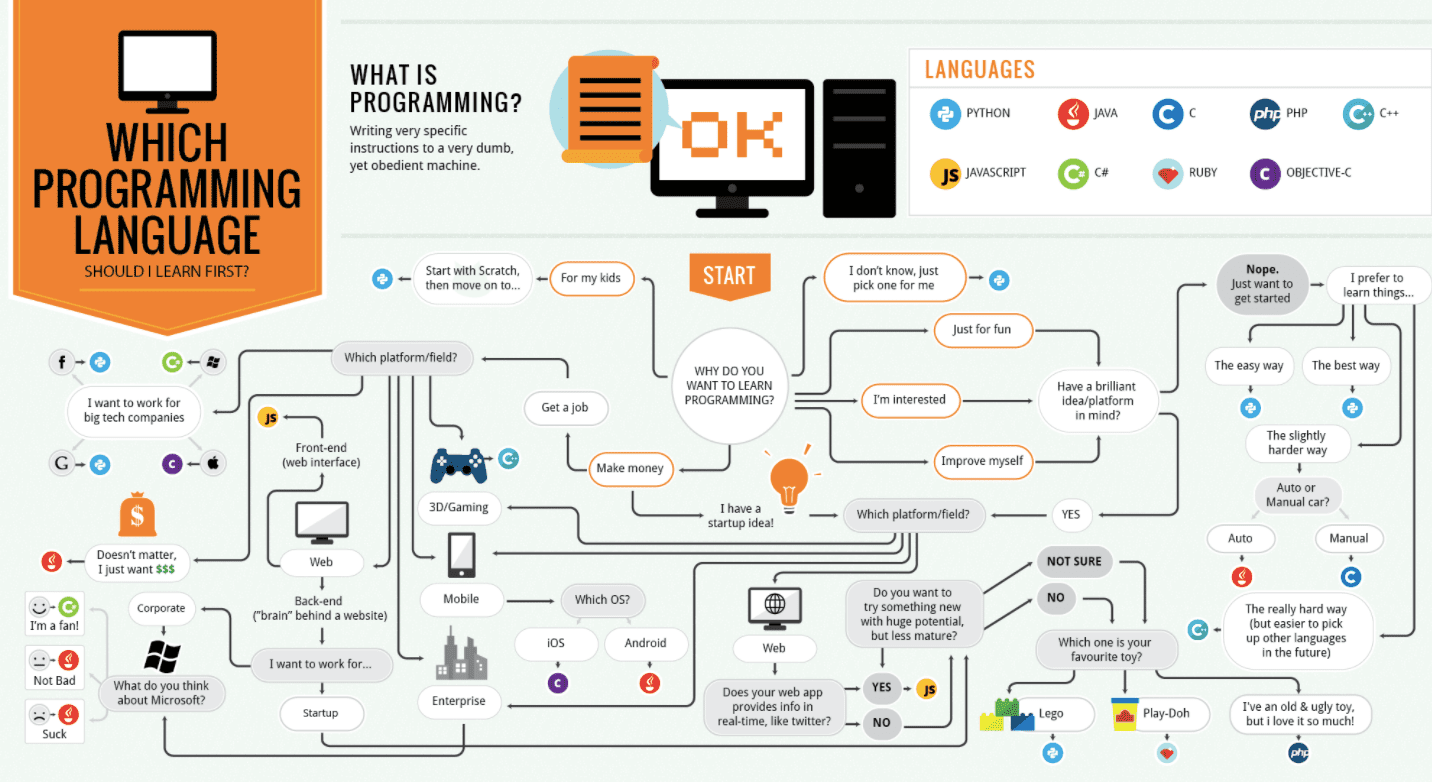
Don't try to learn everything. Choose one path: frontend (React), backend (Node.js/Python), or data (SQL/Python). Most successful self-taught developers go deep on one stack before branching out. A focused curriculum reduces decision fatigue and speeds up your first job application.

If you struggle with self-motivation, avoid pure video courses. Look for platforms with live mentorship, cohort-based accountability, or strict deadlines. If you thrive in independent environments, structured video libraries like Coursera or Pluralsight offer the flexibility you need without the social pressure.

Consistency beats intensity. Whether you choose a university certificate or a free online track, set a hard deadline for completing your core projects. A 6-month sprint is realistic for part-time learners and prevents "tutorial hell," where you consume content but never build anything.
Before applying for jobs, build one portfolio piece that solves a real problem. It doesn't need to be complex, but it must work end-to-end. This step proves to employers that you can ship code, which is the primary skill they hire for, regardless of how you learned it.
Common questions about self-taught coding
You likely have lingering doubts about whether you can actually land a job without the traditional bootcamp route. These are the most common questions we hear from people exploring coding bootcamp alternatives.
No comments yet. Be the first to share your thoughts!