
Certifications vs. bootcamps
Bootcamps and certifications serve different career stages. While both aim to bridge the skills gap, they differ significantly in cost, time commitment, and depth.
Coding bootcamps are immersive, intensive programs designed to quickly equip you with job-ready skills. They typically last several months and can cost upwards of $15,000. Certifications, on the other hand, are validations of specific skills, often tied to a particular technology or platform. They're usually more focused, less time-consuming, and significantly cheaper.
Historically, certifications sometimes faced a perception gap. Some employers viewed them as less valuable than a degree or bootcamp experience. However, this is changing, especially as tech companies increasingly recognize the value of validated skills. For many, certifications offer a more accessible and focused route to building a career in tech, especially as alternatives to coding bootcamp costs.
Top 8 programming certifications for 2026
Choosing the right certification depends on your career goals. Here's a look at eight programming certifications that are gaining traction in 2026, along with details on skills validated, prerequisites, exam format, and estimated costs (where available).
AWS Certified Developer – Associate: This certification validates your ability to develop, deploy, and debug cloud-based applications using Amazon Web Services. No prior experience is strictly required, but familiarity with AWS services is highly recommended. The exam is multiple-choice and multiple-response, costing $150. It's a solid choice for anyone interested in cloud engineering.
Microsoft Certified: Azure Developer Associate: Similar to the AWS certification, this focuses on developing solutions on Microsoft Azure. Prerequisites include some development experience, and the exam ($165) tests your ability to design, build, test, and maintain cloud solutions. This is a good path for those invested in the Microsoft ecosystem.
CompTIA A+: While not strictly a programming certification, CompTIA A+ is a foundational IT certification that covers hardware, software, networking, and security. It's a good starting point for beginners and demonstrates a broad understanding of IT principles. The exams cost $243 per exam (two exams are required).
Cisco Certified Network Associate (CCNA): Again, not solely programming focused, CCNA validates skills in network fundamentals, IP connectivity, and network services. It's beneficial for those interested in network engineering or DevOps roles. The exam costs $300 and requires a solid understanding of networking concepts.
Certified Entry-Level Python Programmer (PCEP): This is a great certification for beginners learning Python. It covers basic programming concepts, data types, and control flow. No prior programming experience is required. The exam fee is $59. It's an affordable way to demonstrate your foundational Python skills.
IBM Data Science Professional Certificate (Coursera): This certificate program consists of a series of courses covering data science fundamentals, Python, SQL, and machine learning. It’s a more comprehensive option than PCEP and is well-regarded by employers. The full certificate costs around $39 per month through Coursera.
Google Data Analytics Professional Certificate (Coursera): This certificate focuses on data analysis skills, including data cleaning, visualization, and reporting. It's a good option for those interested in a career as a data analyst. The certificate costs approximately $39 per month on Coursera. A Java certification, like the Oracle Certified Associate, Java SE 8 Programmer, can also be valuable, costing around $245, but its relevance is decreasing as other languages gain prominence.
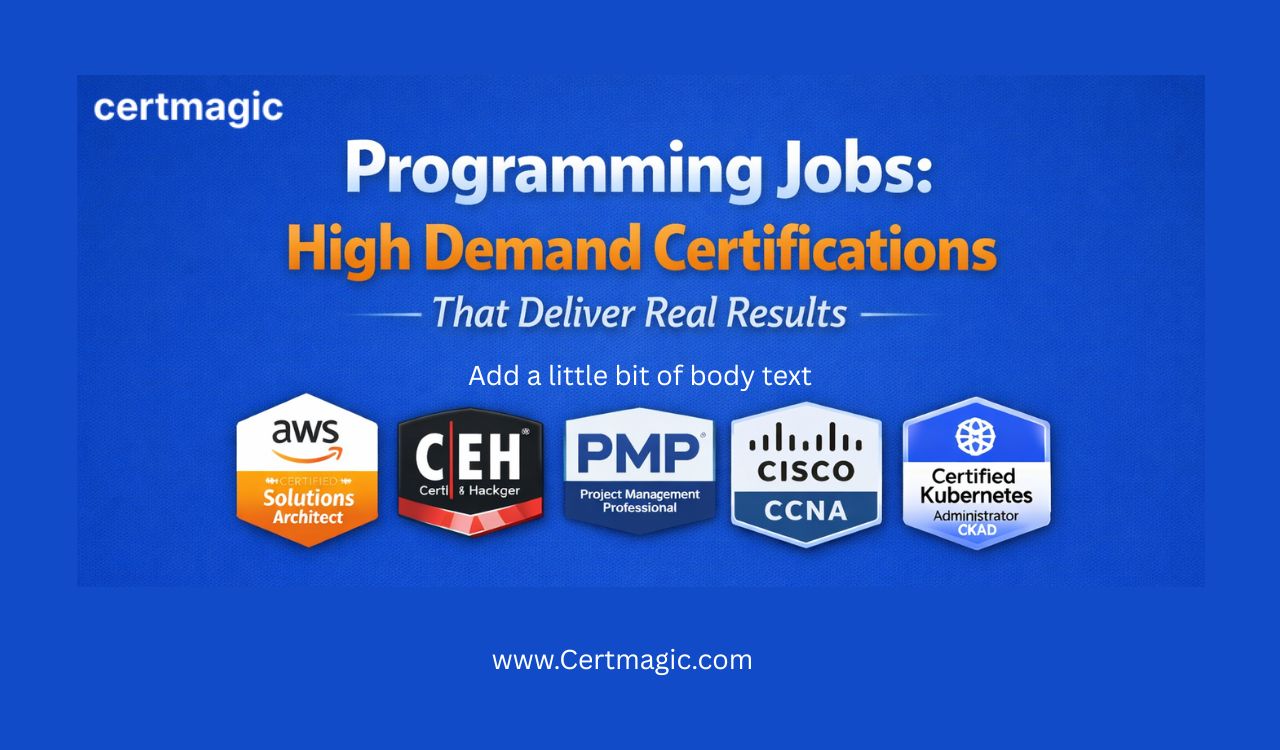
- AWS Certified Developer – Associate: Focuses on cloud-based debugging and deployment for $150.
- Microsoft Certified: Azure Developer Associate ($165)
- CompTIA A+ ($243 per exam, two exams required)
- Cisco Certified Network Associate (CCNA) ($300)
- Certified Entry-Level Python Programmer (PCEP) ($59)
- IBM Data Science Professional Certificate (Coursera) (~$39/month)
- Google Data Analytics Professional Certificate (Coursera) (~$39/month)
- Oracle Certified Associate, Java SE 8 Programmer ($245)
Employer Demand: What Skills Are Hiring Managers Seeking?
Python appeared in over 45% of software engineering job postings on LinkedIn in late 2025. This demand is driven by its dominance in data science and backend automation.
Cloud computing skills are also highly sought after, with AWS and Azure certifications frequently mentioned in job descriptions. Employers are looking for developers who can build, deploy, and manage applications in the cloud. Data analysis and visualization skills, particularly proficiency in SQL and tools like Tableau or Power BI, are also in high demand.
Interestingly, while Java remains widely used in enterprise environments, its growth in new job postings has slowed compared to Python and JavaScript. This doesn't mean Java is irrelevant, but it suggests a shift in the skills employers prioritize. Network fundamentals, as validated by certifications like CCNA, are also consistently requested, especially in DevOps and systems administration roles.
- Python
- Cloud Computing (AWS, Azure)
- SQL
- Data Analysis/Visualization
- JavaScript
- DevOps Tools
- Network Fundamentals
Certification Alignment with In-Demand Skills (2026 Outlook)
| Certification Name | Python | JavaScript | Cloud Computing | Data Analysis | Cybersecurity |
|---|---|---|---|---|---|
| AWS Certified Developer – Associate | Some alignment with scripting | Limited direct coverage | Strong focus on AWS services | Partial overlap with data pipelines | Basic security concepts |
| Microsoft Certified: Azure Developer Associate | Some Python use cases | Limited JavaScript focus | Core to Azure cloud development | Integration with Azure data services | Security fundamentals within Azure |
| Google Cloud Certified Professional Cloud Architect | Scripting often used | Minimal JavaScript content | Deep dive into Google Cloud Platform | Strong data engineering aspects | Security best practices in GCP |
| CompTIA Security+ | Scripting for automation | Limited web development focus | Cloud security considerations | Data security principles | Primary focus is cybersecurity |
| Certified Ethical Hacker (CEH) | Scripting for penetration testing | Web application hacking knowledge | Cloud environment security | Analyzing data from security breaches | Dedicated to cybersecurity skills |
| Professional Data Engineer Certification (Google) | Commonly uses Python | Limited front-end focus | Strong cloud data warehousing | Core data analysis and modeling | Data security and governance |
| IBM Data Science Professional Certificate | Extensive Python usage | Some visualization with JavaScript libraries | Cloud deployment of models | Comprehensive data analysis techniques | Data privacy and security |
| Full Stack Web Development with React – The Complete Guide (Udemy) | Some backend Python integration | Strong JavaScript and React focus | Deployment to cloud platforms | Data handling in web applications | Basic web security principles |
Qualitative comparison based on the article research brief. Confirm current product details in the official docs before making implementation choices.
Building a portfolio
A certification is a great starting point, but it's not enough to land a job. Employers want to see that you can apply your knowledge to real-world problems. This is where personal projects and a strong portfolio come in.
For web development, consider building a personal website, a to-do list application, or a simple e-commerce site. If you're interested in data science, work on projects involving data cleaning, analysis, and visualization. For cloud computing, deploy a simple application on AWS or Azure. GitHub is an excellent platform for showcasing your projects.
When presenting your projects, focus on the problem you were trying to solve, the technologies you used, and the results you achieved. Don't just show code; explain your thought process and demonstrate your ability to learn and problem-solve. A well-maintained GitHub profile with well-documented projects is a powerful asset.
Certifications as Stepping Stones: Career Paths
Different certifications can open doors to specific career paths. An AWS certification is a strong stepping stone to roles like Cloud Engineer, DevOps Engineer, or Solutions Architect. The Azure Developer Associate certification aligns well with positions focused on Microsoft technologies.
A PCEP certification can help you land an entry-level Python developer role, while the IBM Data Science Professional Certificate can prepare you for positions like Data Analyst or Data Scientist. CompTIA A+ is often a requirement for help desk or IT support roles.
Entry-level salaries vary depending on location and experience, but generally, a certified Python developer can expect to earn between $60,000 and $90,000 annually. Cloud engineers with AWS or Azure certifications can earn upwards of $80,000 to $120,000. Remember these are estimates, and experience plays a significant role.
- AWS Certifications: Cloud Engineer, DevOps Engineer, Solutions Architect
- Azure Certifications: Azure Developer, Cloud Solutions Architect
- PCEP: Entry-Level Python Developer
- IBM Data Science: Data Analyst, Data Scientist
- CompTIA A+: IT Support Specialist, Help Desk Technician
Valuable Programming Credentials
- AWS Certified Developer – Associate ☁️ – This certification validates expertise in developing, deploying, and debugging cloud-based applications using AWS. It’s highly sought after in companies heavily invested in the AWS ecosystem.
- Microsoft Certified: Azure Developer Associate – Demonstrates proficiency in designing, building, testing, and maintaining cloud solutions on Microsoft Azure. Azure is a major player in cloud computing, making this a valuable credential.
- CompTIA Security+ 🛡️ – While not strictly a *programming* certification, security is paramount. This demonstrates foundational knowledge of security concepts and is often a requirement for roles involving application security.
- Oracle Certified Professional, Java SE Programmer – Java remains a widely used language, particularly in enterprise environments. This certification proves core Java skills.
- Certified Kubernetes Application Developer (CKAD) – Kubernetes is the leading container orchestration platform. This certification validates skills in designing, building, and deploying cloud-native applications using Kubernetes.
- Google Cloud Certified Professional Cloud Architect – Focuses on designing and managing robust, secure, scalable, highly available, and dynamic solutions to drive business objectives. It's a more advanced certification, but highly respected.
Alternatives to Formal Certification
While certifications are valuable, they aren't the only way to demonstrate your skills. Contributing to open-source projects on platforms like GitHub is a great way to gain practical experience and collaborate with other developers. Participating in coding competitions like HackerRank or LeetCode can showcase your problem-solving abilities.
Building a strong online presence through a personal blog, social media, or online communities can also help you establish yourself as a developer. These activities demonstrate initiative, passion, and a commitment to continuous learning. View certifications as complementary to these efforts, not replacements.
Essential Books for Your Programming Certification Journey

Project-based learning approach · Covers fundamental programming concepts · Includes real-world projects to build practical skills
This book is perfect for beginners looking to dive into Python with hands-on projects that build confidence and practical coding abilities.

Focuses on practical automation tasks · Designed for absolute beginners · Teaches useful Python skills for everyday tasks
If you want to learn Python to make your daily tasks easier and more efficient, this book offers a fun and practical introduction to automating the mundane.

Comprehensive guide from beginner to expert · Covers coding, automation, and data analysis · Includes real projects for hands-on experience
This comprehensive guide promises to take you from a complete novice to a proficient Python user, covering a wide range of applications with practical projects.

Uses a visually engaging and interactive learning style · Focuses on understanding core Python concepts · Designed to be memorable and effective for different learning styles
This book's unique, brain-friendly approach makes learning Python enjoyable and effective, ensuring you grasp the concepts deeply rather than just memorizing them.
As an Amazon Associate I earn from qualifying purchases. Prices may vary.

No comments yet. Be the first to share your thoughts!