
Why look beyond bootcamps
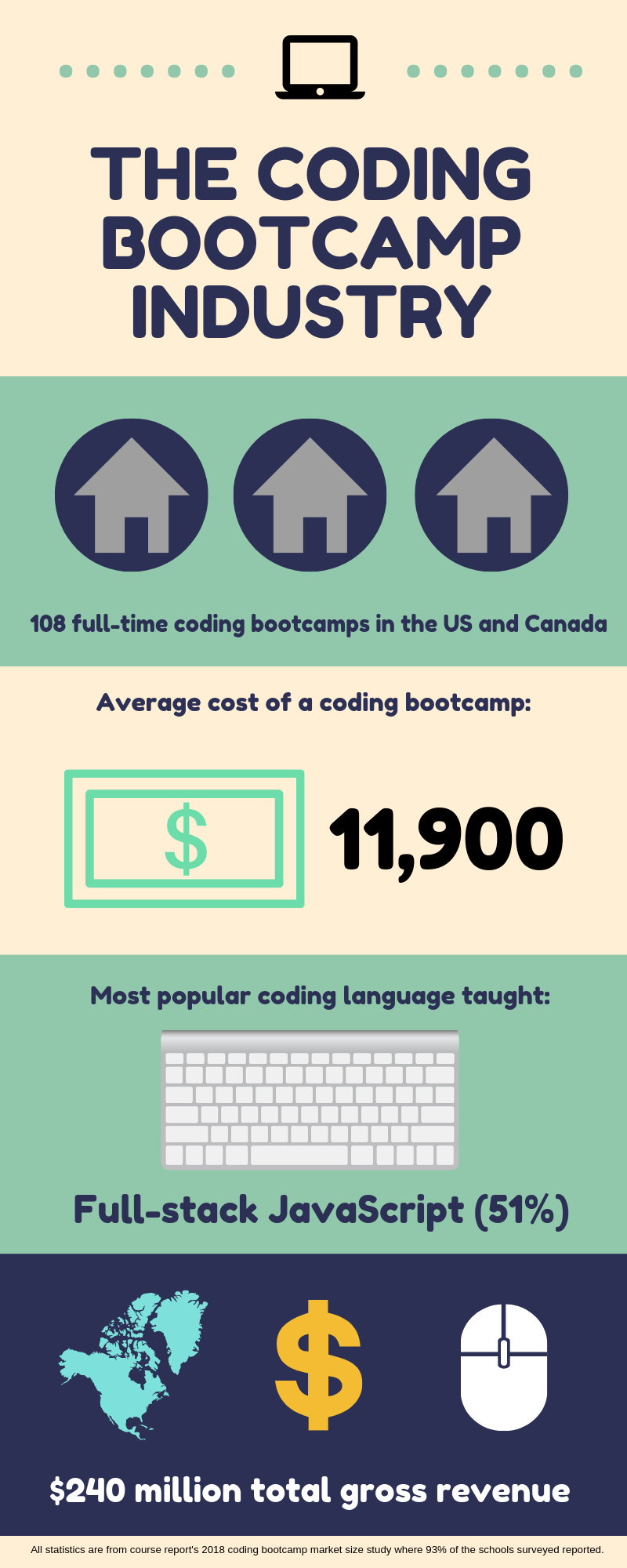
Coding bootcamps have long been the go-to shortcut for career switchers, promising a fast track to a developer role. But the landscape has shifted. While bootcamps still exist, the barrier to entry for junior roles has risen, making structured self-learning increasingly viable.
The traditional model often demands a significant upfront investment—sometimes thousands of dollars—along with an all-or-nothing time commitment. For many, this rigid structure doesn't fit their life or budget. Additionally, the job market for entry-level developers has become more competitive, with employers often looking for deeper foundational knowledge than what a twelve-week intensive can provide.
Looking beyond bootcamps isn't about rejecting education; it's about finding a path that aligns with your specific constraints and learning style. Whether you need flexibility, lower costs, or a more academic approach, there are several reliable alternatives that can lead to the same destination.
Top structured learning platforms
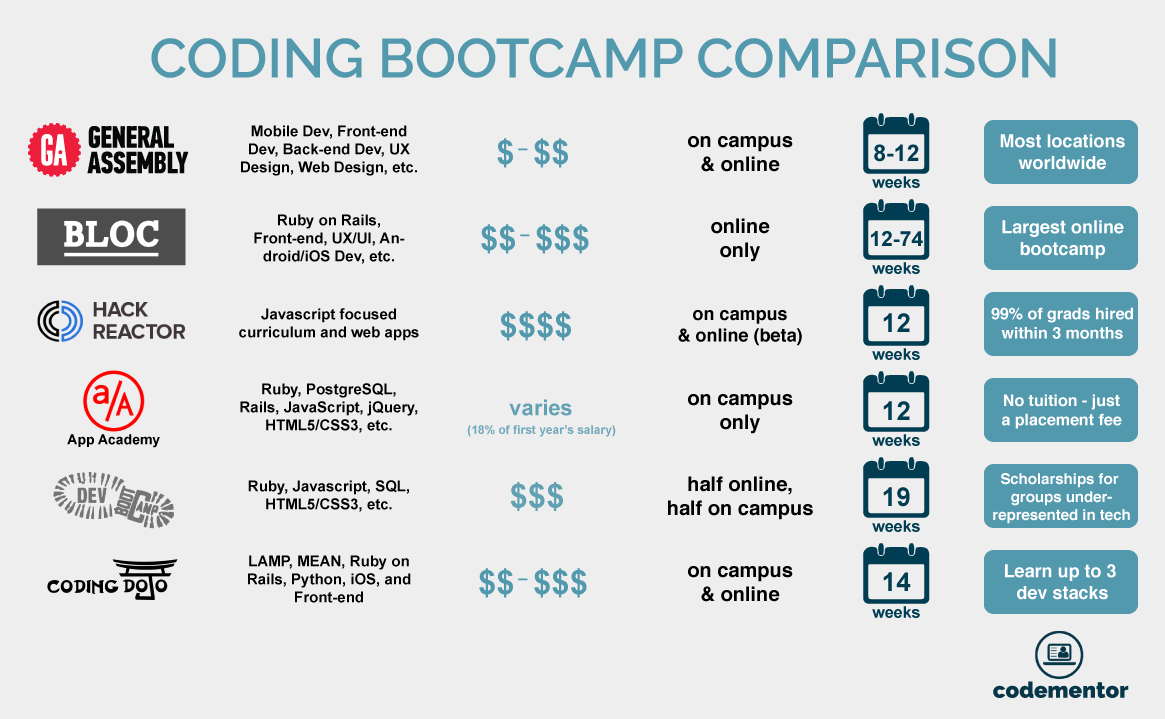
If you want the curriculum structure of a bootcamp without the $15,000 price tag, interactive learning platforms are your best starting point. These platforms guide you through a defined path, offering exercises, quizzes, and projects that mimic the hands-on nature of in-person training. They are designed for self-paced learning, allowing you to build a portfolio while keeping costs manageable.
Below is a comparison of the four most reliable options for aspiring developers. Each platform offers a different balance of cost, duration, and career support, helping you choose the right fit for your schedule and budget.
| Platform | Est. Cost | Duration | Interactivity | Career Support |
|---|---|---|---|---|
| Codecademy Pro | $249/year | Self-paced | High (Browser-based coding) | Resume review & job board |
| freeCodeCamp | Free | 6-12 months | High (Projects & certifications) | Community forums & projects |
| Coursera (Meta/IBM) | $39-49/month | 3-6 months | Medium (Video + Labs) | University certificates & job portal |
| Udacity Nanodegrees | $249-399/month | 1-4 months | High (Code reviews) | Mentorship & hiring partners |
Codecademy Pro provides a highly interactive environment where you write code directly in your browser. It is ideal for beginners who need immediate feedback on their syntax and logic. The annual subscription gives you access to career paths in data science, web development, and machine learning.
freeCodeCamp is a completely free alternative that relies on a project-based curriculum. You earn certifications by completing real-world projects, which can be added directly to your GitHub portfolio. While it lacks formal career coaching, its large community and extensive project library make it a powerful tool for self-motivated learners.
Coursera partners with top universities and companies like Meta and IBM to offer professional certificates. These programs are more academic in nature, combining video lectures with hands-on labs. They are well-suited for learners who prefer a structured, university-style education with recognized credentials.
Udacity Nanodegrees focus on specific tech stacks and offer personalized code reviews from industry mentors. This level of feedback is rare in self-paced online learning and helps you improve your code quality. The shorter, intensive format allows you to complete a nanodegree in a few months, making it a faster route to job readiness if you can afford the monthly fee.
Community colleges and certificates
Community colleges remain one of the most reliable alternatives to coding bootcamps. They offer a structured academic path that balances cost with credential value, making them ideal for learners who want a safety net of financial aid and recognized accreditation. Unlike the high-pressure, all-or-nothing nature of many bootcamps, college programs allow you to build a foundation at a pace that fits your life.
Lower costs and financial aid
The financial gap between a bootcamp and a community college is often significant. Bootcamps can cost upwards of $15,000, whereas community college tuition is typically a fraction of that amount. Crucially, community colleges are eligible for federal financial aid, including Pell Grants and student loans, which most private bootcamps are not. This accessibility makes higher education in tech viable for a broader range of backgrounds.
Accredited credentials and depth
When you enroll in a community college, you are often working toward an associate degree or a formal certificate in computer science, web development, or IT. These credentials carry weight with employers because they are accredited and backed by established academic standards. You also gain exposure to broader computer science concepts—like data structures and algorithms—that short-term intensive courses might skip. This depth can be a differentiator in job interviews, showing you have both practical skills and theoretical understanding.
The trade-off: Time and structure
The main trade-off is time. A bootcamp might get you job-ready in three months, while a community college program typically takes two years to complete. However, this extended timeline allows for a more gradual learning curve. You can take other general education courses, explore different tech stacks, and build a portfolio over time without the stress of an immediate job placement deadline. For those who prefer a steady, supported academic environment, this route offers stability and long-term career resilience.
Building a self-directed curriculum
You can replicate the structure of a coding bootcamp without the tuition, but it requires treating learning like a job. Bootcamps work because they force discipline and project-based output. To succeed with free resources, you must build that same scaffolding yourself.

Bootcamps pick a stack (like MERN) so students don't waste time choosing. Pick one path—frontend, backend, or data—and stick to it for at least three months. Experts suggest six months to become comfortable, but three months is enough to start simple projects. Commit to a daily schedule.
Don't jump between random tutorials. Use platforms like freeCodeCamp or The Odin Project, which offer linear paths. For specific skills, use one-off courses on Udemy or YouTube. The goal is to find one main curriculum that acts as your "syllabus" so you don't get lost in the noise.
This is the hardest part. Bootcamps force you to build capstone projects. You must do the same. After every module, build something small and functional. A to-do list, a weather app, or a personal portfolio. If you aren't typing code, you aren't learning.
Isolation kills self-directed learning. Join Discord servers, Reddit communities, or local meetups. When you get stuck, you need peers to debug with. This mimics the pair-programming environment of a bootcamp and keeps you motivated when progress slows.
The key difference is that you are now the instructor, the curriculum designer, and the student. It is more work upfront, but the flexibility and cost savings are significant.
Common questions about alternatives
Choosing a path outside a traditional bootcamp often raises practical concerns about cost, age, and realistic timelines. Here are direct answers to the most frequent questions about coding bootcamp alternatives.
No comments yet. Be the first to share your thoughts!