
Why look beyond bootcamps
If you are considering a career switch, the anxiety is real. You are weighing months of unpaid study against a paycheck that might not materialize. For years, the coding bootcamp was the obvious answer: a twelve-week sprint to a junior developer role. But the landscape has shifted. In 2026, the job market for entry-level engineers is tighter, and the skills required to stay employable are deeper than ever.
The trade-offs are no longer just about time versus money. They are about support versus autonomy. Bootcamps offer structure, but they often lack the flexibility to let you build a portfolio that proves your specific aptitude. Meanwhile, self-paced and structured online learning paths offer a way to build a more durable, verifiable skill set without the steep price tag or the rigid schedule. For many career switchers, this flexibility is not just a convenience—it is a necessity.
Self-paced platforms compared
Switching careers into tech is a leap of faith, and the anxiety of spending months learning on your own is real. Unlike a bootcamp with a fixed cohort and a career services team, self-paced learning puts the entire burden of momentum on you. The trade-off is stark: you gain total control over your schedule and save significant money, but you lose the accountability structure that keeps most beginners from quitting.
The market is flooded with options, but three platforms consistently dominate the conversation for good reasons. Udemy offers the widest variety of specific technologies at rock-bottom prices during sales. freeCodeCamp provides a rigorous, project-based curriculum that is entirely free, though it demands high self-discipline. Scrimba distinguishes itself with interactive video lectures where you can edit the code directly inside the player, offering a middle ground between passive watching and active building.
The following table breaks down the concrete differences between these three paths. This isn't about which is "best" in a vacuum; it is about which fits your current financial situation and learning style.
| Platform | Cost | Time Commitment | Certification Value | Community Support |
|---|---|---|---|---|
| Udemy | $10-$20 per course | Variable (self-directed) | Low (certificate of completion) | Course-specific Q&A forums |
| freeCodeCamp | Free | High (project-heavy) | Medium (portfolio-based) | Large Discord & local chapters |
| Scrimba | Free tier / $39/mo Pro | Moderate (interactive lessons) | Low (skill-focused) | Active Discord & course chats |
The data reveals a clear pattern: cost and support are inversely related. Udemy is cheap but offers minimal support beyond the instructor's Q&A. freeCodeCamp is free but requires you to find your own accountability, often through its massive Discord community. Scrimba sits in the middle, charging for a premium experience that mimics the structure of a paid course without the bootcamp price tag. In a job market that rewards demonstrable skills over certificates, your portfolio matters more than the badge you earn from any of these platforms.
Structured online certificates
If a full-time bootcamp feels like jumping off a cliff without a parachute, but self-study feels like wandering in the woods without a map, structured online certificates offer a middle path. These programs—backed by universities like Stanford or industry giants like Google—give you the scaffolding of a curriculum without the $15,000 price tag or the need to quit your job.
The appeal is obvious: you get a recognized credential and a clear sequence of lessons. But the trade-offs are real. Unlike a bootcamp, you won’t have a dedicated career coach pushing you to apply for jobs or a cohort of peers keeping you accountable. The support is often limited to discussion forums or automated feedback. In the current 2026 job market, where AI tools handle basic syntax quickly, employers are looking for proof of applied skill, not just completion badges.
University-backed programs (Coursera, edX)
Platforms like Coursera and edX partner with top universities to offer professional certificates. These are rigorous, often requiring 3–6 months of consistent effort. You’re learning from the same faculty who teach on-campus students, which adds credibility. However, the cost can still add up, especially if you pay for each course individually rather than subscribing to a monthly plan.
Industry-recognized certificates (Google, IBM)
Google and IBM offer their own professional certificates, heavily focused on practical, job-ready skills. These are generally more affordable and shorter in duration. They are designed to get you interview-ready for specific roles like IT support or data analytics. While they lack the academic prestige of a university degree, their industry recognition is growing, particularly for entry-level positions where a degree isn’t strictly required.
Comparing the options
Choosing between these paths depends on your budget, time, and need for structure. The table below breaks down the key differences to help you decide.
| Provider | Cost Range | Duration | Support Level |
|---|---|---|---|
| Coursera/edX | $39–$99/mo | 3–6 months | Forum + Peer Review |
| Google/IBM | $39–$49/mo | 3–6 months | Automated + Forum |
Is it worth the investment?
For many career-switchers, structured certificates are a safer bet than bootcamps. They allow you to test the waters of coding or data analysis without a massive financial commitment. If you can stay disciplined and leverage online communities for support, these programs can provide a solid foundation. Just remember: the certificate gets you in the door, but your portfolio and practical skills will keep you there.
Community college pathways
If the anxiety of switching careers feels like standing on a high dive without knowing how to swim, community colleges are the pool with the lifeguard on duty. They offer a structured, low-cost alternative to bootcamps that balances credential credibility with financial safety. In a job market that has cooled significantly since the 2021 hiring boom, employers are increasingly prioritizing verified degrees over intensive certificates.
The financial trade-off is stark. While a bootcamp might cost $15,000 upfront, many community colleges offer associate degrees in computer science or web development for a fraction of that price, especially if you qualify for federal financial aid or state grants. This makes it a viable path for those who cannot afford to pause their income for six months of unpaid study.
However, the time commitment is the real differentiator. An associate degree typically takes two years of part-time or full-time study. This is not a sprint; it is a marathon with a clear finish line. The curriculum is often broader than a bootcamp’s focused tech stack, covering foundational computer science principles that help you adapt to new tools like AI-augmented development environments.
The support structure is also more robust. You have access to academic advisors, career services, and peer groups who are navigating the same slow, steady climb. For career switchers who need accountability and a recognized credential to pass HR filters, this pathway provides a stable foundation rather than a high-risk gamble.
Choosing your learning path
The anxiety of switching careers is real. You are weighing the cost of tuition against the cost of time, and the risk of self-discipline against the pressure of a cohort. There is no single "best" way to learn to code in 2026. The right path depends entirely on your personal constraints.
To decide between self-paced and structured online learning, walk through these three filters.

If you can commit 10+ hours per week, self-paced learning is viable. Platforms like freeCodeCamp or The Odin Project allow you to move quickly through concepts you grasp easily and slow down on difficult ones. If your schedule is fragmented or you have a full-time job, a structured course with fixed deadlines may be the only way to ensure you actually finish.
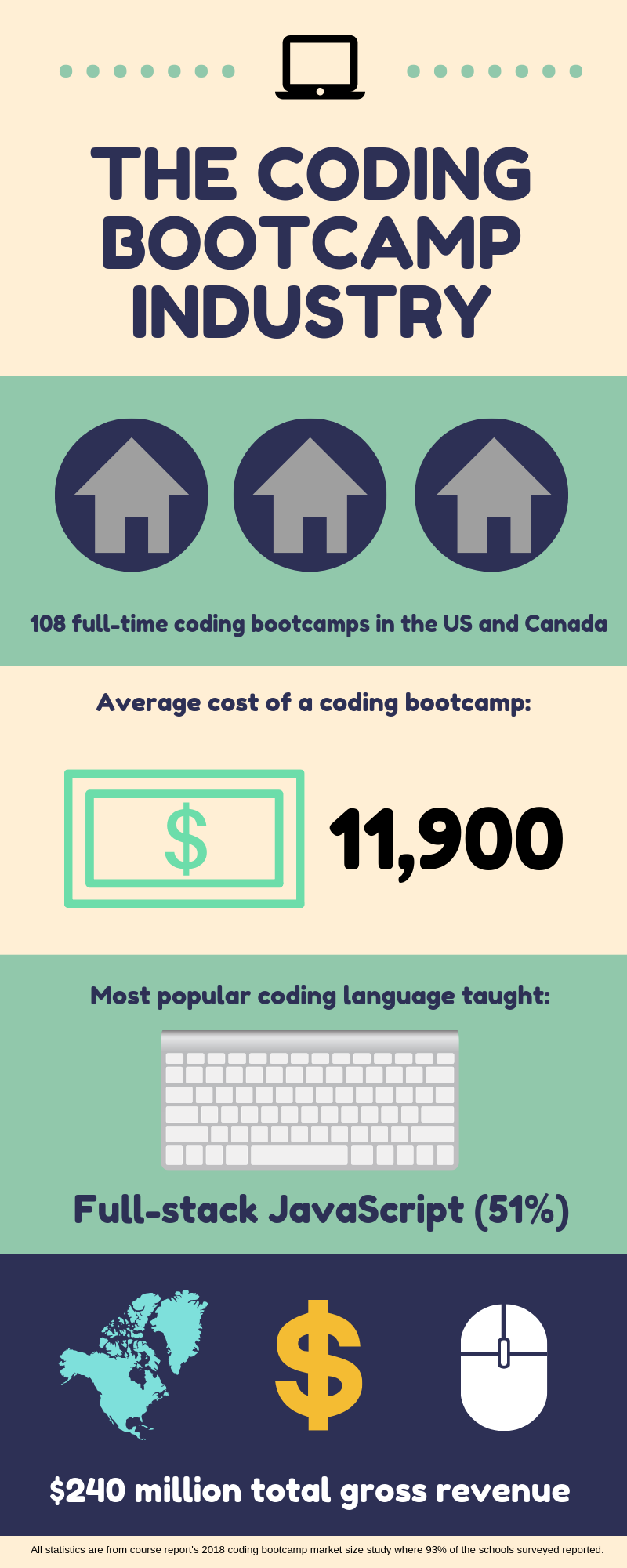
Budget is the primary divider. Self-paced learning often costs less than $500 if you stick to free resources or one-off Udemy courses. Structured online bootcamps or certificate programs typically range from $2,000 to $10,000. In the current job market, paying a premium for a certificate does not guarantee a job, but it does provide a curated curriculum that saves you from information overload.
Do you need external pressure to study? Self-learners have a high dropout rate because there is no instructor checking their progress. If you thrive on peer accountability, look for structured courses with cohort-based learning or community Slack channels. If you are highly self-motivated, the flexibility of self-paced learning will likely serve you better.
Common questions about alternatives
Switching careers is stressful, and the noise around coding bootcamps can make it feel like you’re gambling. The reality is less binary. Whether you choose self-paced learning, a structured bootcamp, or a traditional degree depends on your budget, timeline, and need for accountability. Here are the concrete answers to the questions most career-switchers ask.
No comments yet. Be the first to share your thoughts!