
Why choose self-paced learning
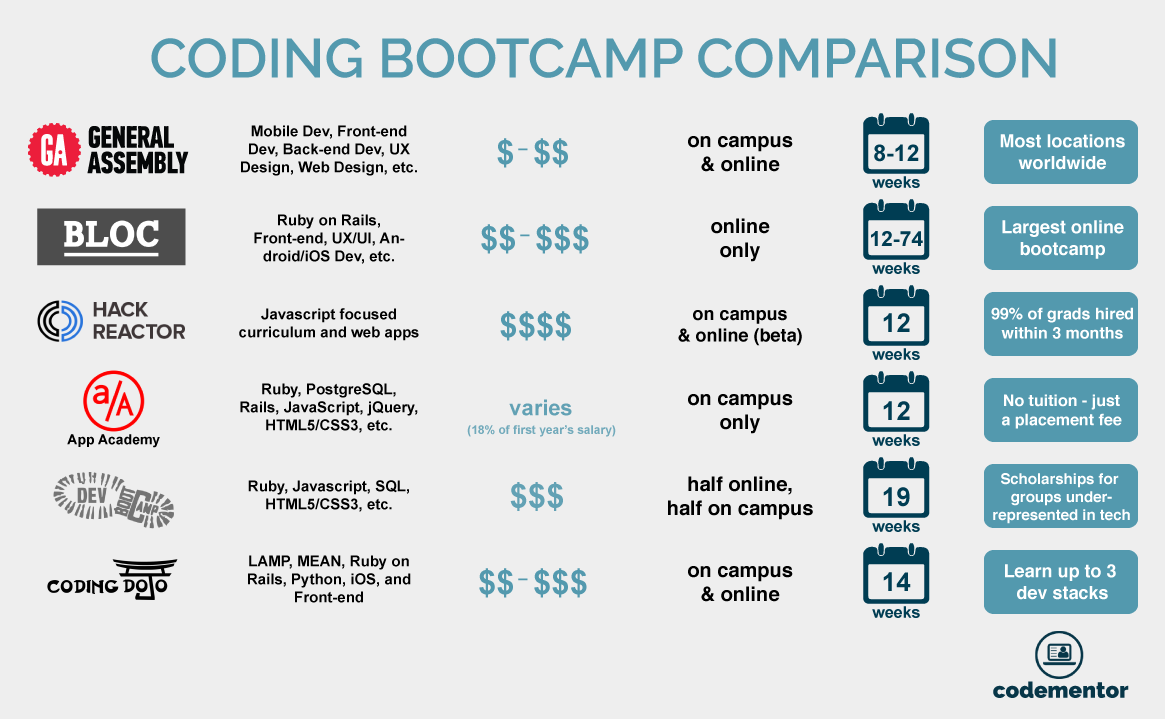
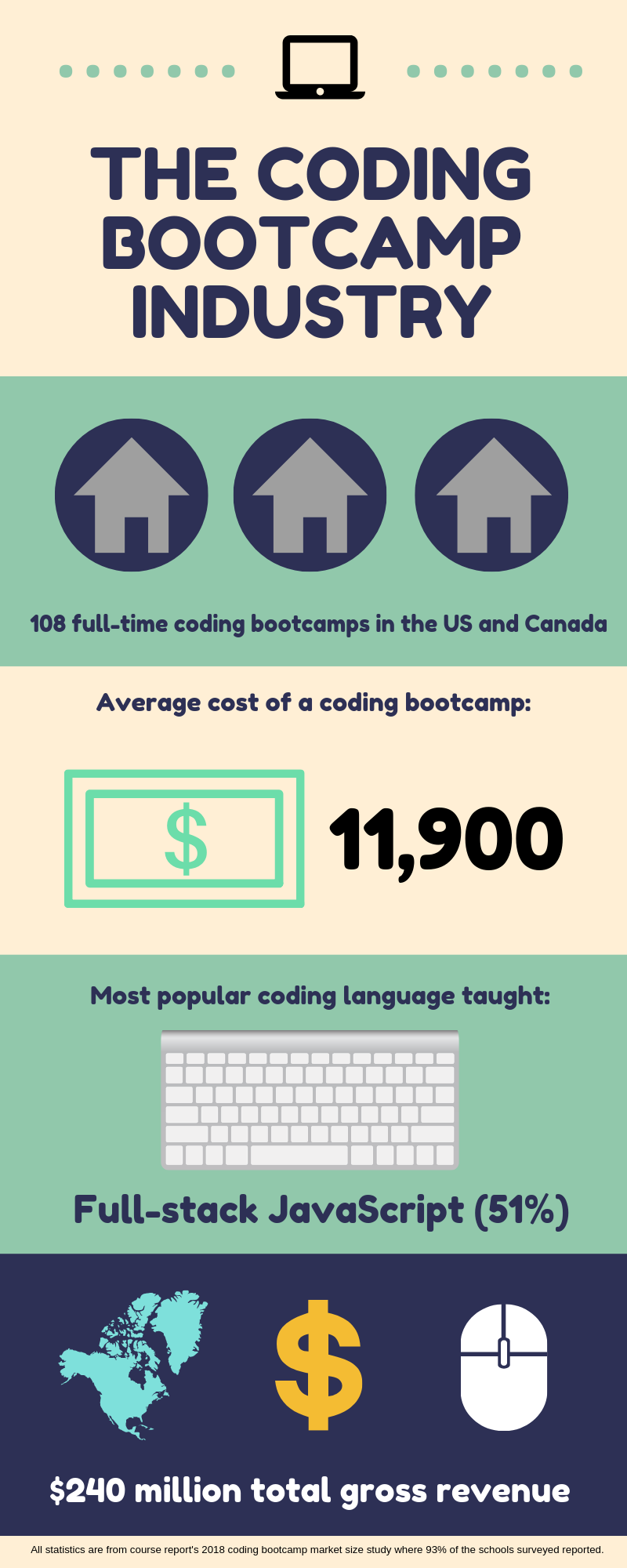
Traditional coding bootcamps have long been the default path for career switchers, but the $10,000 to $20,000 price tag is no longer a barrier most learners need to cross. Self-directed learning offers a structured alternative that prioritizes practical outcomes over rigid schedules. For many, this path isn't just a budget constraint—it's a strategic choice that allows for deeper, more personalized mastery of the tools that actually matter in the job market.
The primary advantage of self-paced learning is the elimination of opportunity cost. Instead of committing to a full-time, immersive schedule, you can build a portfolio while maintaining your current income. This flexibility is particularly valuable for those balancing family responsibilities or those who prefer to learn at a pace that matches their retention rates rather than an instructor's slide deck.
Critics often argue that self-taught developers lack discipline, but the reality is that the industry rewards demonstrable skills over certificates. By curating your own curriculum from reputable sources like freeCodeCamp, Scrimba, or Udemy, you learn to navigate documentation and solve problems independently—a skill that senior engineers value more than rote memorization of syntax.
The trade-off is clear: bootcamps provide structure and networking, while self-directed learning provides flexibility and cost efficiency. For the disciplined learner, the latter often yields a stronger foundation because every concept is chosen for its direct relevance to your goals, not because it fits into a standardized semester.
Top structured online courses
For self-directed learners, the gap between a bootcamp and a free tutorial is often just structure. Paid online courses fill this void by offering curated curricula, mentorship, and portfolio-ready projects without the seven-figure overhead of a residential program. These alternatives allow you to build job-ready skills at a fraction of the cost, provided you maintain the discipline to complete them.
The following platforms stand out for their rigorous structure and industry recognition. Unlike scattered YouTube playlists, these programs provide a linear path from beginner concepts to advanced application, mimicking the pacing of a traditional bootcamp.

Structured alternatives compared
The table below breaks down the core differences between the most reputable paid learning paths. Each option balances cost, time commitment, and credential value differently.
| Platform | Approx. Cost | Typical Duration | Credential | Portfolio Output |
|---|
The Odin Project’s strength lies in its realism. By forcing you to set up your own development environment, it eliminates the "it works on my machine" problem that plagues many self-taught developers. However, this can be a steep barrier to entry. freeCodeCamp’s browser-based interface removes that friction, allowing you to start coding immediately. Its certification system provides a tangible sense of progress, which can help maintain motivation during long, solitary study sessions.
Community support is the critical differentiator for these free resources. Without a classroom, isolation is the biggest risk. Both platforms have active Discord servers and forums where learners troubleshoot bugs and review code. Engaging with these communities is not optional; it is the equivalent of having a study group. As discussed in recent threads on r/codingbootcamp, combining these free resources with active community participation is often more effective than buying a single Udemy course, which often lacks the structured peer accountability needed to finish.
Mentorship and Apprenticeship Models
Bootcamps are often criticized for their "sink or swim" culture, where career support is generic and feedback is delayed. Mentorship programs and apprenticeships offer a structured alternative that replaces volume with precision. Instead of navigating a massive curriculum alone, you pair with an experienced developer who provides real-time code reviews, architectural guidance, and industry context. This model mirrors how senior engineers actually work, accelerating your transition from learner to practitioner.
The core value lies in the feedback loop. In a self-directed path, you might spend weeks debugging a flawed approach. A mentor identifies the root cause in minutes, saving time and preventing the reinforcement of bad habits. Beyond technical skills, these relationships provide access to hidden job markets. Many apprenticeships convert directly into full-time roles, while mentors often refer mentees to companies that value demonstrated competence over certificates.
Comparing Mentorship and Apprenticeship Structures
While both models offer personalized guidance, they differ significantly in commitment and outcome. The table below outlines the practical distinctions to help you choose the right fit for your career goals.
| Feature | 1:1 Mentorship | Apprenticeship |
|---|---|---|
| Structure | Flexible, session-based | Fixed-term, project-based |
| Cost | Paid per hour or monthly | Often paid or free (work-exchange) |
| Output | Portfolio projects + guidance | Real-world product contributions |
| Job Placement | Networking and referrals | High conversion to full-time roles |
How to pick the right path
Choosing a coding bootcamp alternative requires balancing three competing forces: your budget, your available time, and your career goals. Unlike a traditional bootcamp that offers a standardized curriculum and career services for a high price, self-directed learning places the responsibility of structure and accountability on you. The "right" path depends entirely on which of these constraints is most rigid for you.
To navigate this, start by defining your end goal. Are you aiming for a full-time software engineering role, or do you want to automate tasks in your current job? Your answer dictates the depth of study required. Next, audit your budget. Can you afford a paid subscription like Codecademy Pro or Udacity, or do you need the completely free resources of freeCodeCamp and The Odin Project? Finally, assess your time commitment. Can you dedicate 40 hours a week to immersive study, or do you need a flexible, part-time schedule?
Use the checklist below to evaluate your options before committing to a learning path.
-
Define specific career goals (e.g., frontend developer vs. data analyst)
-
Set a realistic monthly budget for courses and resources
-
Audit weekly time availability for study and project building
-
Review project requirements for your target roles
1. Assess your learning style and discipline
Self-directed learning fails most often because of a lack of structure. If you thrive in a classroom environment with deadlines and peer pressure, you may struggle with purely video-based courses. In that case, look for platforms that offer cohort-based learning or community accountability, such as Scrimba or paid Udemy courses with Q&A support. If you are highly disciplined and prefer to move at your own pace, free resources like freeCodeCamp provide a clear, linear path from beginner to job-ready without the need for external motivation.
2. Match the platform to your budget
Budget is often the primary driver for seeking bootcamp alternatives. If you have little to no money, freeCodeCamp and The Odin Project are excellent starting points. They offer comprehensive, project-based curricula that rival many paid bootcamps. If you can afford a modest investment, platforms like Codecademy Pro or Coursera offer structured feedback and certificates that can add credibility to your resume. Avoid expensive "pay-when-hired" models unless they are from reputable providers with strong job placement records, as the risk often outweighs the benefit for self-starters.
3. Align with your career timeline
Your timeline determines the intensity of your study. If you need to switch careers quickly, you might consider a hybrid approach: use free resources for foundational knowledge and invest in a specialized, shorter course for advanced topics like React or Node.js. If you have more time, a comprehensive free curriculum like The Odin Project allows for deeper exploration of fundamentals, which can lead to stronger long-term retention. Remember, the speed of learning is less important than the quality of the projects you build. Employers care more about what you can build than how fast you learned it.
4. Compare structured vs. unstructured learning
Structured learning paths provide a clear sequence of topics, reducing decision fatigue. Platforms like Codecademy and Udacity offer these paths, ensuring you cover all necessary bases. Unstructured learning, often associated with free resources, requires you to curate your own curriculum from various sources. This can be more flexible but also more overwhelming. For most beginners, a structured approach is safer to ensure you don't miss critical concepts like data structures or algorithms.
5. Verify project-based outcomes
Ultimately, your portfolio is your credential. When evaluating a learning path, prioritize those that require you to build real-world projects. Look for curricula that include capstone projects, code reviews, or portfolio-building modules. Platforms like freeCodeCamp and The Odin Project emphasize project-based learning, ensuring you have tangible evidence of your skills. Avoid courses that rely solely on quizzes or multiple-choice tests, as these do not demonstrate your ability to write production-ready code.
Essential tools for your setup
Self-directed coding education demands a reliable environment. Unlike structured bootcamps that provide lab access, you must curate your own hardware and software stack to ensure consistent, friction-free learning. The right tools reduce cognitive load, allowing you to focus on logic and problem-solving rather than fighting with your computer.
Hardware foundations
Your computer is your primary interface. A machine with at least 16GB of RAM handles local servers and multiple browser tabs without stuttering, which is critical when debugging complex applications. An ergonomic keyboard and mouse prevent physical strain during long study sessions, while a second monitor significantly boosts productivity by separating your code editor from documentation or terminal windows.
Software essentials
The software layer is where your development environment comes to life. You need a robust code editor like VS Code, which offers extensive extensions for syntax highlighting and debugging. Pair this with a reliable terminal emulator and a version control system like Git. These tools form the backbone of professional workflows, ensuring your code is organized, backed up, and ready for collaboration.
Gear recommendations
Investing in specific peripherals can transform your study experience. Mechanical keyboards provide tactile feedback that many developers find essential for typing speed and accuracy. Monitor stands help optimize your desk space and viewing angle, reducing neck strain. These small upgrades create a comfortable, professional-grade workspace that supports sustained focus.


As an Amazon Associate, we may earn from qualifying purchases.
Common questions about online learning
Self-directed learners often face skepticism that bootcamp graduates don’t. The reality is that hiring managers care less about how you learned and more about what you can build. A well-structured portfolio demonstrates practical skill better than any certificate.
Does a certificate matter for self-taught developers?
A certificate from a platform like Coursera or edX shows discipline, but it rarely carries the same weight as a bootcamp diploma or a CS degree. Employers view these as proof of completion, not proof of competence. The real value lies in the projects you build during the course. If you can deploy a functional app, the source of your education becomes secondary.
Can I get hired without a formal degree or bootcamp?
Yes, but your portfolio must be exceptional. You need to show that you can solve real-world problems. A single, complex full-stack application is worth more than ten tutorial clones. Focus on building projects that solve a specific problem, such as a task manager with authentication or a data visualization dashboard. These projects prove you can handle the full development lifecycle.
How do I prove I’m job-ready?
Job readiness is proven through code quality and problem-solving ability. Contribute to open-source projects or build a personal project from scratch without following a step-by-step guide. This demonstrates independence. During interviews, be prepared to explain your architectural decisions. If you can articulate why you chose a specific database or framework, you signal senior-level thinking.
No comments yet. Be the first to share your thoughts!