
What counts as a bootcamp alternative
When evaluating coding bootcamp alternatives for 2026, it helps to categorize options by the level of structure they provide. Bootcamps are essentially high-intensity, high-cost accelerators designed to get you job-ready in months. Alternatives generally fall into three buckets: self-directed learning, community college programs, and traditional university degrees.
Self-directed paths, such as freeCodeCamp or Udemy courses, offer maximum flexibility and minimal cost. However, they require significant discipline. Without a curriculum or peer group, completion rates are statistically low. These options work best for those who already have some technical background or can self-motivate through complex topics.
Community colleges and associate degree programs provide a middle ground. They offer structured curricula and faculty support at a fraction of the cost of private bootcamps or four-year universities. Financial aid is often available, making this a viable path for budget-conscious learners who still want formal credentials.
Ultimately, "better" is a function of your timeline and financial situation. If you need a job in six months and have the capital, a bootcamp might be the fastest route. If you can spread learning over two years and need financial aid, community college is the more sustainable alternative.
Online courses and interactive platforms
Structured online learning offers a flexible path for those seeking coding bootcamp alternatives without the upfront commitment or rigid schedule. These platforms range from self-paced video libraries to interactive, browser-based coding environments that provide immediate feedback. They cater to different learning styles, allowing you to choose between the autonomy of one-off courses and the guided structure of a full curriculum.
The primary trade-off lies in the level of hand-holding. Unlike a bootcamp, where instructors monitor your progress and enforce deadlines, online platforms require significant self-discipline. However, they offer superior flexibility and often lower costs, making them ideal for career changers or hobbyists who need to balance learning with existing responsibilities.

Codecademy, Udemy, and Scrimba compared
Codecademy excels in interactive syntax training, making it a strong starting point for beginners who need to build muscle memory for coding basics. Udemy offers a vast marketplace of courses at low price points, ideal for targeting specific technologies or stacks. Scrimba distinguishes itself with its "screencast" technology, allowing users to pause and edit the instructor's code directly in the browser, bridging the gap between passive video watching and active coding.
The table below compares these three popular platforms across key metrics relevant to aspiring developers evaluating coding bootcamp alternatives.
| Platform | Cost Structure | Learning Style | Job Readiness |
|---|---|---|---|
| Codecademy | Free basic; ~$249/yr for Pro | Interactive, bite-sized lessons | Low; focuses on syntax |
| Udemy | Pay-per-course (~$10-$20 on sale) | Video lectures with projects | Medium; depends on course quality |
| Scrimba | Free basic; ~$59/mo for Pro | Interactive screencasts | Medium; includes career resources |
Free Open-Source Curriculums
If you have the discipline to structure your own education, free open-source curriculums offer a zero-cost alternative to coding bootcamps that rivals formal programs in depth. Platforms like The Odin Project and freeCodeCamp provide comprehensive, project-based learning paths that cover everything from HTML and CSS to full-stack JavaScript and databases. These resources are maintained by large communities of developers who constantly update the material to reflect current industry standards.
The primary trade-off is time versus money. While bootcamps compress learning into intensive weeks with structured mentorship, these free alternatives demand months of consistent self-study. You must curate your own learning path, often supplementing the core curriculum with additional documentation and community forums to fill gaps. However, the resulting skill set is often more robust because you learn how to troubleshoot independently—a critical skill for any developer.
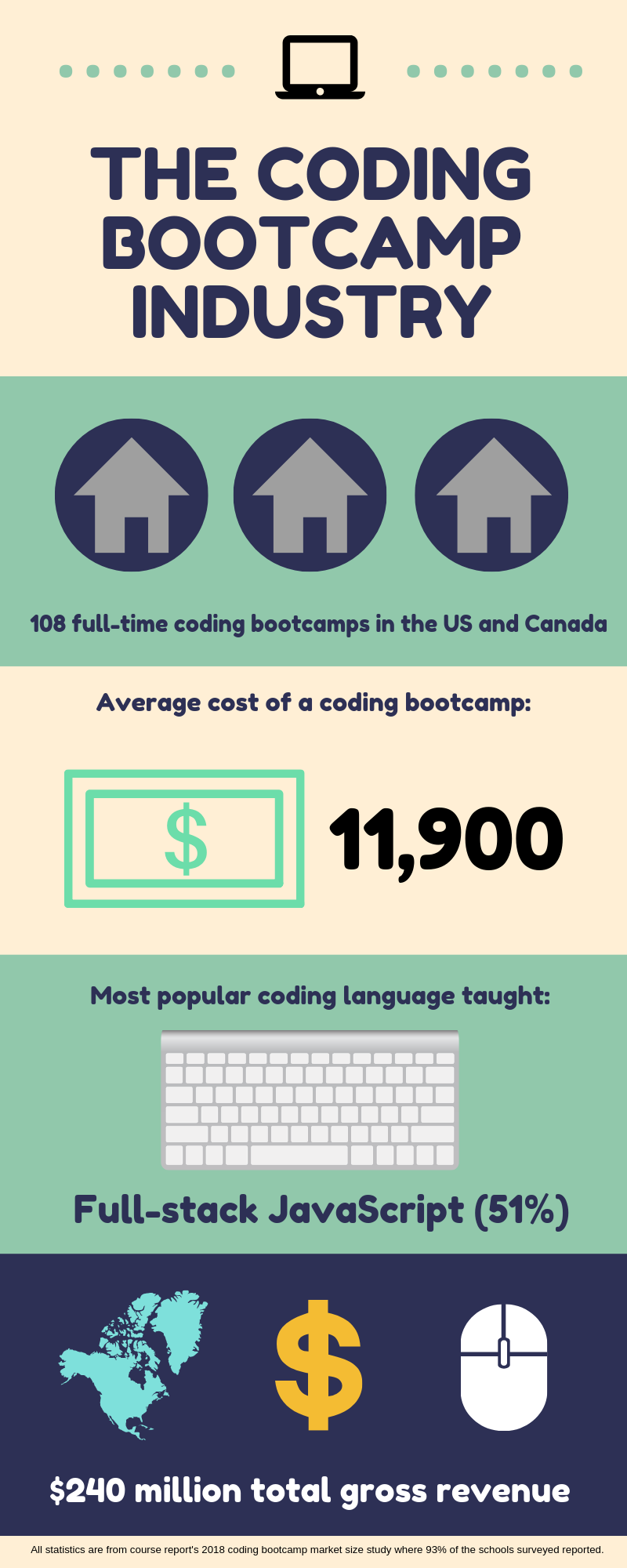
For those willing to invest the extra time, these platforms provide a legitimate path into the tech industry. The Odin Project, for instance, focuses on building real-world applications from day one, while freeCodeCamp offers thousands of hours of interactive coding challenges and certifications. Both options allow you to build a portfolio that demonstrates practical ability, which is often more valuable to employers than a certificate of completion from a paid program.
Community Colleges and Associate Degrees
Community colleges remain one of the most reliable alternatives to coding bootcamps. Many institutions offer associate degrees or certificate programs in computer science, web development, or information technology. These programs provide a structured academic environment that contrasts sharply with the self-directed, high-intensity nature of most bootcamps.
The financial advantage is often immediate. Tuition at public community colleges is typically much lower than that of private bootcamps or four-year universities. Additionally, these programs are accredited, making them eligible for federal financial aid, Pell Grants, and state-specific workforce development funds. This accessibility allows students to spread costs over two years rather than facing a large upfront tuition fee.
The pace is slower, which can be a benefit for those balancing work or family commitments. Instead of cramming months of curriculum into eight weeks, students have the time to absorb foundational concepts like data structures, algorithms, and system design. This depth often results in a stronger theoretical background, which can be advantageous for long-term career growth in engineering roles.
However, the trade-off is time. Completing an associate degree usually requires two years of full-time study. For career-changers seeking a rapid entry into the tech workforce, this timeline may feel too drawn out. Bootcamps are designed for speed; community colleges are designed for depth.
For many, this academic route offers a stable credential that employers recognize. While bootcamps focus heavily on portfolio projects and interview prep, community colleges provide a broader education that includes math, logic, and communication skills. This holistic approach can make graduates more versatile in the workplace.
How to choose your learning path
Selecting a coding bootcamp alternative requires balancing three constraints: budget, timeline, and learning style. Unlike bootcamps, which offer a structured, immersive environment, alternatives like community colleges or self-directed online courses demand more autonomy. The right choice depends on which constraint you are willing to compromise on to reach your career goals.
Bootcamps often charge $10,000 to $15,000 upfront or require income share agreements. If your budget is tight, community colleges offer associate degrees or certificates for a fraction of the cost, often with financial aid options. Self-paced platforms like freeCodeCamp or Udemy are the most affordable routes, costing less than $200 for a lifetime of access.
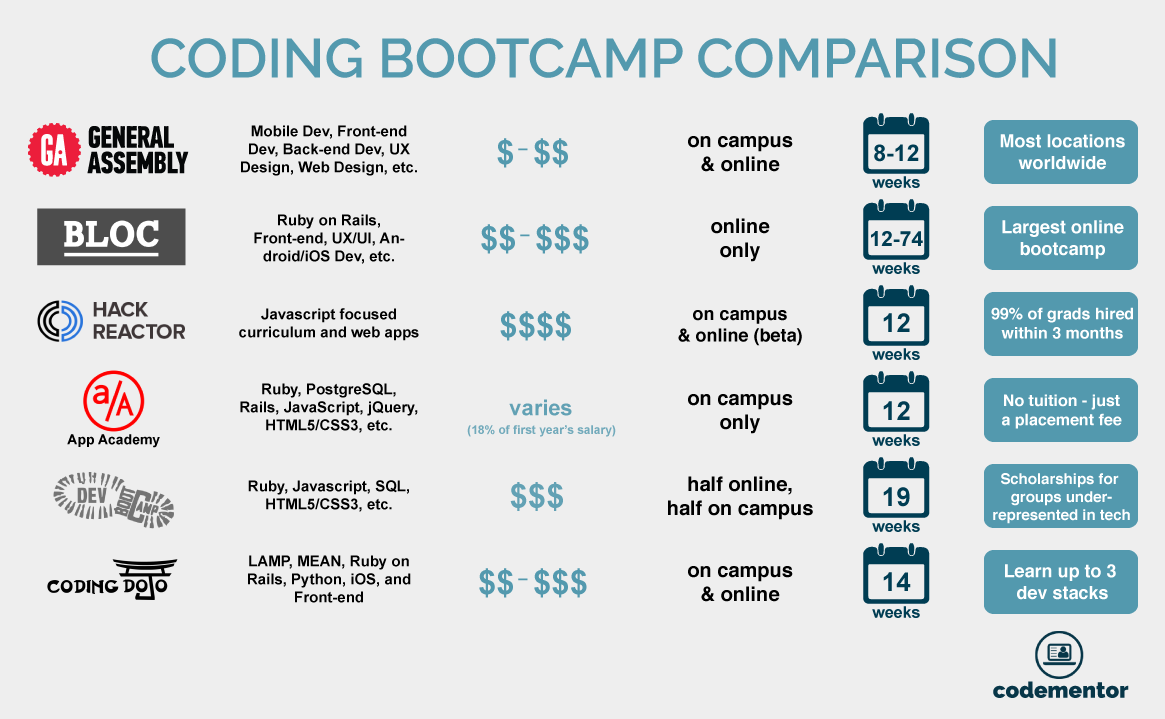
If you need a job within three to six months, a bootcamp’s intensive structure is unmatched. However, if you are working full-time or have family obligations, self-paced learning allows you to study at your own speed. Community colleges offer a middle ground with semester-based schedules that provide structure without the daily intensity of a bootcamp.
Do you thrive in collaborative, classroom environments, or do you prefer independent study? Bootcamps and community colleges offer peer interaction and instructor feedback, which are critical for beginners who need accountability. Self-directed learners who are disciplined and comfortable troubleshooting errors on their own will find online resources sufficient and flexible.



As an Amazon Associate, we may earn from qualifying purchases.
Use this checklist to finalize your decision. If you need speed and structure, a bootcamp or intensive certificate program is best. If cost is the primary barrier, community colleges or free online resources are the most viable coding bootcamp alternatives.
No comments yet. Be the first to share your thoughts!