
Are certifications actually worth it?
Developers often argue about certifications. Many I know call them 'paperweight' credentials, insisting that a portfolio beats a piece of paper every time. They aren't wrong—employers want to see what you can build. But dismissing them entirely misses the point.
Certifications aren’t a substitute for experience, but they can be a valuable signal. They demonstrate a commitment to learning, a baseline understanding of core concepts, and the ability to pass a standardized assessment. This can be particularly useful for career changers or those lacking a traditional computer science degree. They can help you get past the initial resume screening and land an interview.
Setting realistic expectations is key. A certification won’t magically land you a six-figure job. It can open doors, especially when combined with a solid portfolio and networking efforts. Think of it as one piece of the puzzle, not the entire solution. The current market is competitive, and any edge you can get is worth considering.
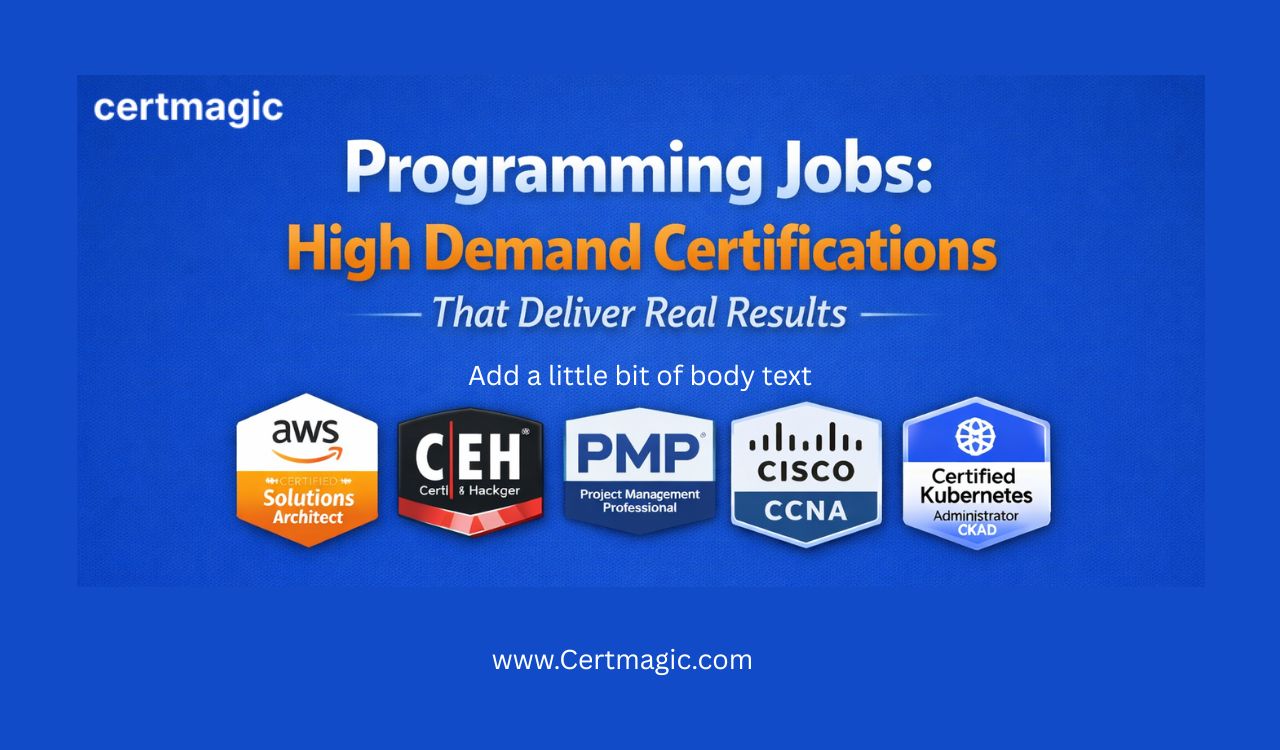
Six certifications to watch in 2026
Choosing the right certification depends heavily on your career goals. Here are six certifications that consistently appear in job postings and are recognized by industry leaders as of late 2024. I've focused on those with broad applicability and strong demand.
AWS Certified Developer – Associate: This certification validates your ability to develop, deploy, and debug cloud-based applications using AWS. It’s geared towards developers with some existing programming experience. The exam format is multiple-choice and multiple-response, with a passing score around 72%. Preparation typically takes 3-6 months of dedicated study.
Microsoft Certified: Azure Developer Associate: Similar to the AWS certification, this credential demonstrates proficiency in developing solutions on Microsoft Azure. It's a good choice for those focused on the Microsoft ecosystem. Expect a similar exam format and preparation time as the AWS certification. The exam costs $165 as of November 2024.
CompTIA Cloud+: This is a vendor-neutral certification that covers a broad range of cloud concepts and technologies. It’s a good starting point for anyone new to cloud computing. The exam is performance-based, meaning you’ll need to demonstrate your skills in a simulated environment. Preparation time is around 2-4 months.
Certified Kubernetes Application Developer (CKAD): Kubernetes is the dominant container orchestration platform, and this certification validates your ability to design, build, and deploy cloud-native applications on Kubernetes. It’s a more advanced certification, requiring a solid understanding of containerization and DevOps principles. The exam is entirely hands-on.
Google Associate Cloud Engineer: This certification verifies your ability to design, deploy, and manage Google Cloud Platform solutions. It’s a strong option for those interested in working with Google’s cloud services. The exam costs $200 and focuses on practical skills, not just theoretical knowledge.
Oracle Java SE 8 Programmer II: While cloud skills are in high demand, Java remains a widely used language. This certification demonstrates proficiency in Java programming, which is valuable for many backend development roles. It’s a good choice for those with a strong programming foundation. Preparation requires focused study of Java fundamentals and object-oriented programming concepts.
- AWS Certified Developer – Associate: Validates cloud deployment and debugging. Expect a 3-6 month study window and a 72% passing score.
- Microsoft Certified: Azure Developer Associate: Cloud development, Azure ecosystem, 3-6 months preparation
- CompTIA Cloud+: Vendor-neutral cloud fundamentals, 2-4 months preparation
- Certified Kubernetes Application Developer (CKAD): Kubernetes, container orchestration, advanced level
- Google Associate Cloud Engineer: Google Cloud Platform, practical skills, $200 exam fee
- Oracle Java SE 8 Programmer II: Java programming, backend development, strong programming foundation
Top Programming Certification Programs: A Comparative Overview (2026)
| Certification Name | Vendor | Target Skill Level | Exam Format | Estimated Preparation Effort | Cost |
|---|---|---|---|---|---|
| AWS Certified Cloud Practitioner | Amazon Web Services | Beginner | Multiple Choice | Low | Low |
| Microsoft Certified: Azure Fundamentals | Microsoft | Beginner | Multiple Choice | Low | Low |
| Certified Entry-Level Python Programmer | Python Institute | Beginner | Multiple Choice | Medium | Medium |
| CompTIA A+ | CompTIA | Beginner/Intermediate | Multiple Choice & Performance-Based Questions | Medium | Medium |
| Java SE 8 Programmer II | Oracle | Intermediate | Multiple Choice & Coding | High | Medium |
| Certified Kubernetes Application Developer (CKAD) | Cloud Native Computing Foundation | Intermediate/Advanced | Practical, Hands-on | High | High |
| Google Professional Data Engineer | Advanced | Multiple Choice & Case Studies | High | High |
Qualitative comparison based on the article research brief. Confirm current product details in the official docs before making implementation choices.
Certifications vs. bootcamps
Coding bootcamps have gained popularity as a fast track to a tech career. But they aren’t the only option, and they aren’t necessarily the best option for everyone. Certifications offer a compelling alternative, particularly for those who prefer self-paced learning and a lower upfront cost.
The most significant difference is cost. Bootcamps can easily run $15,000 to $25,000, while certifications typically cost a few hundred dollars per exam. Time commitment is another factor. Bootcamps are immersive, requiring full-time dedication for several months. Certifications can be pursued alongside a full-time job, offering greater flexibility.
Bootcamps often emphasize career services, which can be valuable. However, the quality of these services varies dramatically. Many certifications now come with access to online learning platforms, practice exams, and community forums. For a self-motivated learner, a certification can provide a more focused and cost-effective path to acquiring in-demand skills.
- Cost: Certifications ($100-$300 per exam) vs. Bootcamps ($15,000 - $25,000)
- Time Commitment: Certifications (flexible, self-paced) vs. Bootcamps (immersive, full-time)
- Career Services: Bootcamp (variable quality) vs. Certification (increasingly available resources)
Beyond the Exam: Continuous Learning
An exam is just a starting point. Tech moves fast. If you aren't picking up new frameworks or tools every few months, you'll fall behind. It isn't about the one-time test; it's about staying curious.
Leverage online resources like blogs (e.g., Martin Fowler’s blog), podcasts (e.g., Software Engineering Daily), and online courses (e.g., Coursera, Udemy). Contribute to open-source projects to gain practical experience and collaborate with other developers. Actively participate in online communities and forums to stay informed about industry trends.
Your certification demonstrates a foundation of knowledge. Build on that foundation by exploring new technologies, experimenting with different approaches, and constantly challenging yourself. Don't let your skills stagnate. The best developers are those who are always learning.
Recertification and Maintaining Credentials
Most certifications require periodic recertification to ensure that you stay up-to-date with the latest technologies. AWS certifications, for example, are valid for three years and require earning continuing education units (CEUs) or passing a recertification exam. Microsoft Azure certifications also have a three-year validity period and require recertification.
The costs associated with recertification vary. Some certifications require a fee for the recertification exam, while others allow you to earn CEUs through online courses, conferences, and other activities. Factor these ongoing costs into your decision when choosing a certification.
Maintaining your credentials demonstrates a commitment to continuous learning and professional development. It shows employers that you’re not just willing to learn new skills, but that you’re also dedicated to staying current in a rapidly changing field.
Essential AWS, Azure, and GCP Certification Prep Books for 2026

Covers all objectives for the AWS Certified Solutions Architect - Associate (SAA-C03) exam. · Provides in-depth explanations of AWS services and architectural best practices. · Includes practice questions and exam simulations for hands-on preparation.
This authoritative guide provides comprehensive coverage and practical insights necessary to prepare for and pass the leading AWS certification exam.

Focuses on mastering Azure administration tasks required for the AZ-104 exam. · Offers detailed explanations of Azure services, including identity, governance, storage, compute, and virtual networks. · Includes exam-focused content and strategies to build confidence for the certification.
This authoritative guide provides comprehensive coverage and practical insights necessary to prepare for and pass the leading Microsoft Azure certification exam.

Aligns with the Google Cloud Certified Professional Cloud Architect exam objectives. · Explains core Google Cloud Platform services and architectural design principles. · Features review questions and practice exams to reinforce learning.
This authoritative guide provides comprehensive coverage and practical insights necessary to prepare for and pass the leading Google Cloud certification exam.

Prepares candidates for the AWS Certified Developer - Associate (DVA-C02) exam. · Covers core AWS services, development best practices, and deployment strategies. · Includes practice exam questions and a glossary of key terms.
This authoritative guide provides comprehensive coverage and practical insights necessary to prepare for and pass the leading AWS certification exam.
As an Amazon Associate I earn from qualifying purchases. Prices may vary.

No comments yet. Be the first to share your thoughts!