
The reality of the certification market
Let’s be blunt: many programming certifications aren’t worth the money. The market is completely flooded with options, making it difficult to discern what actually holds weight with employers. There's a significant disconnect between what many certification curricula teach and the skills companies are actually looking for. We’ve seen a proliferation of courses promising quick paths to high-paying jobs, but the reality is often far more complex.
The emphasis is shifting from simply having a credential to demonstrating actual ability. Employers are increasingly focused on practical skills, problem-solving abilities, and a candidate’s potential to learn. This isn’t to say certifications are useless, but they’re no longer a golden ticket. This article isn’t about exhaustively listing every certification available; it’s about identifying the few that can genuinely impact your job search.
I've spoken with recruiters who openly state they prioritize candidates with strong portfolios and demonstrable experience over those with a stack of certifications. The value of a certification often depends heavily on the specific role and the company. A Microsoft certification might be valuable for a .NET developer role, but less so for a front-end engineer focused on React. Setting realistic expectations is key; a certification isn’t a substitute for hard work and a strong foundation in computer science principles.
The skills employers actually want
To understand what credentials carry weight, we need to look at what employers are asking for. I’ve analyzed job postings from LinkedIn, Indeed, and Glassdoor (data gathered late 2023/early 2024) for entry-level and mid-level software development positions. The results are fairly consistent across the board: proficiency in data structures and algorithms is highly valued, even for roles that don't seem directly related.
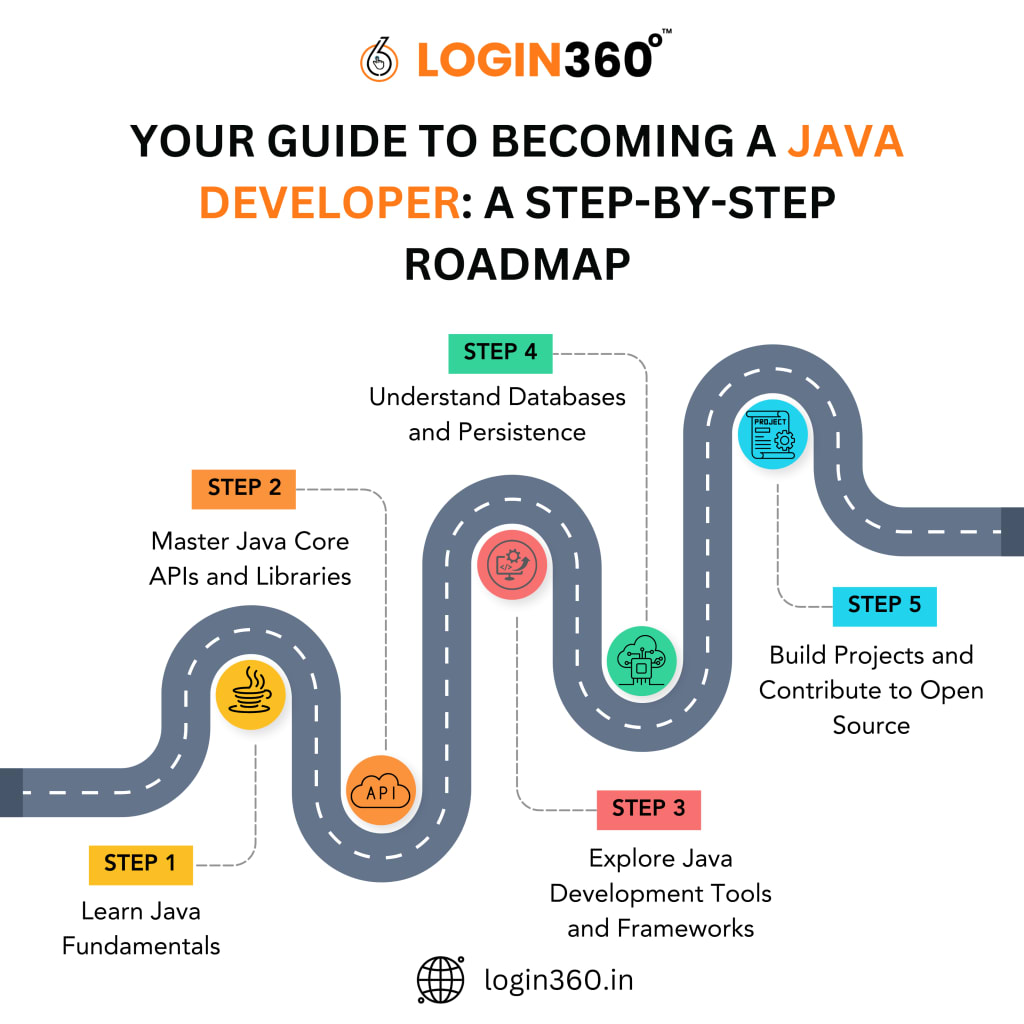
For Python developers, experience with frameworks like Django and Flask consistently appears in job descriptions, along with a solid understanding of data analysis libraries like Pandas and NumPy. JavaScript roles prioritize React, Angular, or Vue.js, as well as experience with Node.js and associated build tools. Java positions frequently mention Spring and Hibernate. There’s a clear trend towards practical framework experience.
Interestingly, even front-end roles are increasingly requesting knowledge of algorithms and data structures. This suggests companies are looking for developers who can think critically and solve problems, not just write code. The demand for cloud computing skills (AWS, Azure, Google Cloud) is also growing rapidly, making those skills a valuable addition to any developer’s toolkit.
- Python developers need Django, Flask, Pandas, and NumPy.
- JavaScript roles require React, Angular, Vue.js, or Node.js.
- Java: Spring, Hibernate
- Data Structures & Algorithms: Universally requested
Top 10 In-Demand Software Development Skills (Q4 2023 / Q1 2024)
| Skill | Frequency in Job Postings | Primary Role(s) | Typical Certification Focus |
|---|---|---|---|
| JavaScript | Over 150,000 | Front-End, Back-End, Full-Stack | Front-End Frameworks (React, Angular, Vue.js) |
| Python | Over 120,000 | Back-End, Data Science, Machine Learning | Data Science, Software Development |
| SQL | Over 95,000 | Back-End, Data Analysis, Database Administration | Database Management |
| Java | Over 80,000 | Back-End, Android Development, Enterprise Applications | Object-Oriented Programming, Enterprise Java |
| HTML/CSS | Over 70,000 | Front-End | Web Development Fundamentals |
| TypeScript | Over 60,000 | Front-End, Back-End | Advanced JavaScript, Large-Scale Applications |
| Node.js | Over 50,000 | Back-End | Server-Side JavaScript |
| Cloud Computing (AWS, Azure, GCP) | Over 45,000 | DevOps, Back-End, Systems Administration | Cloud Architecture, Cloud Services |
Illustrative comparison based on the article research brief. Verify current pricing, limits, and product details in the official docs before relying on it.
Big tech vendor certifications
Big-name badges from Microsoft, AWS, and Google only matter if they match the job. An AWS Certified Developer Associate won't help you much if you're applying for front-end React roles. It is only useful if you are gunning for a cloud-heavy position in an AWS shop.
Microsoft certifications, particularly those related to .NET development (like the Azure Developer Associate), carry weight with companies heavily invested in the Microsoft stack. Google Cloud certifications are gaining traction as Google Cloud Platform continues to grow in popularity. However, these certifications often require a significant time commitment and can be expensive – the AWS Developer Associate exam currently costs $150.
I’m not convinced these vendor-specific certifications are universally valuable. They demonstrate proficiency in a particular technology, but they don’t necessarily prove fundamental programming skills. Before investing in one, carefully consider your career goals and the specific requirements of the jobs you’re targeting. Think of them as augmenting your resume, not replacing experience.
University-Backed Programs: Harvard, MIT, and Beyond
Harvard’s CS50 and similar introductory computer science courses from MIT and Stanford carry significant weight with employers. These aren’t traditional certifications, but completing these courses – and especially demonstrating projects built during them – shows a strong foundation in computer science principles. CS50, in particular, has gained a wide reputation for its rigorous curriculum and practical approach.
These programs typically have a lower cost than traditional bootcamps or university degrees, and they offer a flexible learning format. Harvard's CS50 is even available for free online, though a verified certificate costs around $200. The prestige of the institution undoubtedly plays a role, but the skills you acquire are arguably more important.
Employers often recognize the rigor of these courses and see them as a strong indicator of a candidate’s ability to learn and problem-solve. However, these courses are typically introductory, so you’ll likely need to supplement them with more specialized training or projects to be competitive for more advanced roles. The perceived value isn't solely about the school's name; it's about the demonstrated commitment and foundational knowledge.
Comparing Introductory Programming Courses
- Harvard CS50: Often considered a foundational course, CS50 introduces concepts with C, Python, SQL, and JavaScript. It's known for its problem sets. Cost is free to audit, with a verified certificate available for a fee (around $200 as of late 2023). Time commitment is significant – roughly 10-20 hours/week for 12 weeks. No prior programming experience is required.
- MIT OpenCourseWare (Intro to Computer Science and Programming Using Python): MIT OCW offers a wealth of materials, including video lectures, assignments, and exams. This specific course focuses on Python. It’s entirely free. The time commitment is similar to CS50 - around 10-15 hours/week. While no formal prerequisites are listed, some mathematical maturity is helpful.
- Stanford Online (Programming Methodology): This course, often using Java, focuses on the principles of good programming practice. It's part of Stanford's introductory programming sequence. Cost varies; some courses are free to audit, while others have fees (potentially several hundred dollars). Expect a similar time commitment to CS50 and MIT OCW. It assumes no prior programming experience.
- CS50 & Python (HarvardX on edX): A more focused offering from Harvard, this course specifically dives into Python after a brief overview of CS50 concepts. Cost is free to audit, with a verified certificate available for purchase (around $149 as of late 2023). Time commitment is approximately 6-8 hours/week for 6 weeks. Some familiarity with basic computer operation is helpful.
- MIT 6.0001 Introduction to Computer Science and Programming in Python (on OpenLearningLibrary): A more self-paced version of the MIT OCW course, utilizing the OpenLearningLibrary platform. It's free and focuses heavily on Python. Time commitment is flexible, dependent on the learner. No formal prerequisites, but a willingness to learn is key.
- Stanford CS106A (Programming Methodology) materials on YouTube: While not a formal certification, Stanford makes many course materials, including lectures from CS106A, freely available on YouTube. This provides access to the course content without the formal structure or certificate. Time commitment depends on self-study pace. Assumes no prior programming experience.
- Key Differences: CS50 provides a broad overview across multiple languages. MIT OCW emphasizes Python and a more theoretical approach. Stanford focuses on programming methodology and often uses Java. The 'value' of each depends on your learning style and career goals.
The truth about bootcamps
Coding bootcamps have a mixed reputation, but some consistently receive positive reviews and boast strong placement rates. Programs like General Assembly, Flatiron School, and App Academy emphasize practical skills and career support. However, it’s crucial to do your research and carefully evaluate the program’s curriculum, instructors, and job placement statistics.
Bootcamps are expensive, typically costing between $10,000 and $20,000, and income-sharing agreements aren’t always a good deal. It’s essential to understand the terms of any income-sharing agreement before signing up. A key factor is the program's focus on job preparation – does it include resume workshops, mock interviews, and networking opportunities?
The best bootcamps prioritize hands-on projects and real-world applications. Look for programs that offer career coaching and support after graduation. Be wary of programs that make unrealistic promises about job guarantees. While a bootcamp can provide a fast track to a new career, it’s not a substitute for hard work and continuous learning. I've seen success stories, but also many cautionary tales.
Niche Certifications: Where They Shine
Some certifications are valuable precisely because they’re specialized. Certifications in cybersecurity, like CompTIA Security+, are in high demand as organizations face increasing cyber threats. The Google Data Analytics Professional Certificate, offered through Coursera, is also gaining recognition as data science skills become increasingly valuable.
I'm seeing a lot of interest in cloud security certifications, such as the Certified Cloud Security Professional (CCSP). These certifications demonstrate expertise in a specific area and can open doors to specialized roles. They often require prior experience, making them more valuable for those looking to advance their careers.
These niche certifications are most effective when combined with practical experience and a strong portfolio. They demonstrate a commitment to professional development and a willingness to learn new skills. They aren’t a replacement for a broad computer science foundation, but they can be a valuable addition to your skillset.
Building a Portfolio: The Ultimate Credential
Here’s the core truth: a strong portfolio is often more valuable than almost any certification. A portfolio showcases your skills and abilities in a tangible way, allowing potential employers to see what you can actually do. It’s a demonstration of your passion and commitment to the craft.
You can build a portfolio even if you don’t have professional experience. Start by working on personal projects, contributing to open-source projects, or building websites for friends and family. GitHub is an essential tool for showcasing your code and collaborating with other developers. Focus on projects that demonstrate your ability to solve real-world problems.
Don’t be afraid to seek feedback on your portfolio from experienced developers. Websites like Code Review Stack Exchange can be valuable resources. A well-maintained GitHub profile with a variety of projects is often the most compelling credential you can present to a potential employer. It’s evidence of your skills, initiative, and commitment to continuous learning.
When hiring a junior developer, what matters most to you?
The certification vs. degree vs. portfolio debate never gets old. Whether you are doing the hiring or you are the one job hunting, we want to know what you think actually moves the needle in 2026. Vote below!

No comments yet. Be the first to share your thoughts!