
Why look beyond bootcamps
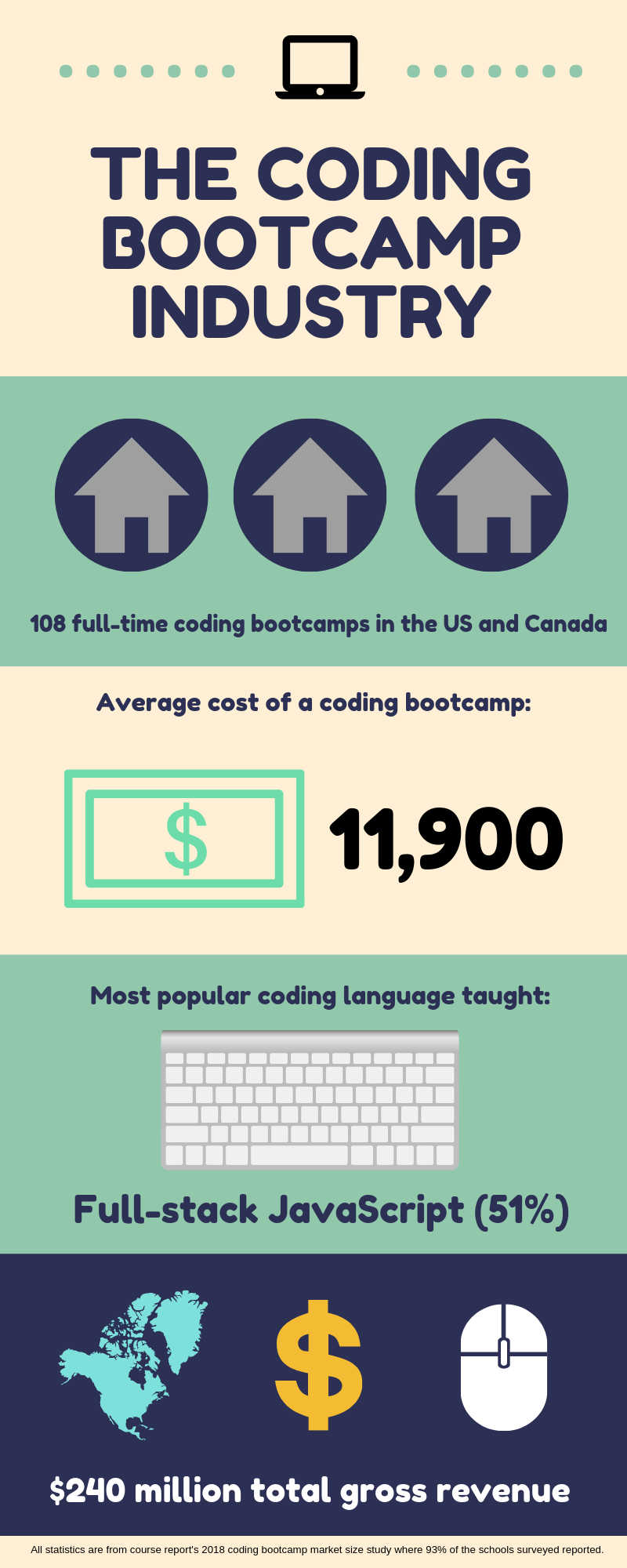
The coding bootcamp model has changed. While they once offered a fast track into tech, the market has shifted. Today, bootcamps often cost between $10,000 and $20,000, with little guarantee of a job in a competitive entry-level market. For many self-taught developers, that price tag carries too much risk.
Looking beyond bootcamps doesn’t mean abandoning structure. It means finding alternatives that fit your budget and learning style. These options prioritize self-paced progress and lower costs while still providing a clear path to employment.
We define "alternatives" as structured, self-paced, and lower-cost learning paths. This includes community college programs, free coding bootcamps, and curated online courses. Each option requires discipline, but they remove the financial barrier that keeps many aspiring developers out of the industry.
When evaluating these paths, we focus on three criteria: cost, curriculum depth, and job placement support. The goal is to find a path that matches your current resources and long-term career goals, not just the fastest route to a diploma.
Top structured learning platforms
If you want the discipline of a bootcamp without the price tag or rigid schedule, structured online platforms are your best bet. These services provide a clear path from zero to job-ready, offering interactive lessons, project-based learning, and community support. They are designed to keep you on track when self-directed learning gets difficult.
Below is a quick comparison of the four most reliable options. We are looking at cost, typical completion time, structure, and whether you get a certificate to show employers.

| Platform | Cost | Typical Duration | Structure | Certification |
|---|---|---|---|---|
| Codecademy | $249/year (Pro) | Self-paced (3-6 months) | Interactive lessons & projects | Certificate of completion |
| Scrimba | Free tier / $149/year (Pro) | Self-paced (2-4 months) | Video + interactive code | Certificate of completion |
| freeCodeCamp | Free | Self-paced (6-12 months) | Project-based curriculum | Verified certifications |
| Udacity | $249-$399/month | 3-6 months (Nanodegrees) | Mentor-led projects | Nanodegree certificate |
Codecademy
Codecademy is the standard for interactive coding basics. It works well if you learn by doing rather than watching lectures. The platform breaks down complex topics into small, bite-sized exercises that give you instant feedback. You can start with the free tier to test the waters, but the Pro subscription unlocks projects and career paths that mimic real-world workflows. It is less about deep theory and more about building muscle memory for syntax and logic.
Scrimba
Scrimba offers a unique learning experience by allowing you to pause and edit the code inside the video player. This "screencast" format makes it feel like you are coding alongside an instructor. It is particularly strong for front-end web development, offering excellent courses on React, Vue, and CSS. The free content is generous, and the Pro plan provides access to career paths that include code reviews and portfolio projects.
freeCodeCamp
If budget is your primary concern, freeCodeCamp is the gold standard. It is entirely free and community-driven. The curriculum is rigorous, requiring you to build five capstone projects for each certification. This is not a passive learning experience; you must solve problems and debug code to earn your certificates. It is ideal for disciplined learners who want to prove their skills through a public portfolio rather than a paid credential.
Udacity
Udacity targets career changers who want mentorship and industry-aligned projects. Its Nanodegree programs are more expensive than the others, but they include code reviews from human mentors and career services. This structure bridges the gap between self-study and a bootcamp. It is best suited for learners who need external accountability and want to build a portfolio that meets specific industry standards.
Community and open-source paths
If the rigidity of a bootcamp feels wrong, or the price tag is too steep, you can build a career through community colleges, open-source contributions, and self-directed study. These routes offer flexibility but demand significant self-discipline. Unlike a structured program that holds your hand, these paths require you to create your own curriculum, find mentors, and prove your skills through tangible work.
Community Colleges and Local Meetups
Community colleges remain one of the most reliable alternatives to coding bootcamps. Many institutions offer associate degrees or certificate programs in computer science, web development, or IT. Tuition is typically much lower than that of bootcamps or four-year universities, and financial aid is often available.
Beyond the classroom, local tech meetups and user groups provide the networking that online courses lack. You’ll find peers who are also learning, which helps combat the isolation of self-study. This combination of affordable education and real-world connections creates a solid foundation without the high debt of traditional degrees.
Open Source and Self-Directed Portfolios
Contributing to open-source projects is a powerful way to build a portfolio. It shows employers you can read other people’s code, follow contribution guidelines, and collaborate remotely. Platforms like GitHub are essentially your resume; a repository with consistent, clean commits speaks louder than a certificate.
Self-directed learning through free resources like freeCodeCamp or Scrimba is accessible, but statistically, it has a lower completion rate because it lacks external accountability. To succeed, you must treat learning like a job. Set strict hours, build projects that solve real problems, and seek feedback from online communities. The effort is high, but the flexibility allows you to learn at your own pace and focus on technologies that match your career goals.
Choosing the right path for you
Selecting a coding bootcamp alternative isn't just about finding the cheapest option; it's about matching your learning style and financial situation to a program that actually finishes. Many self-taught developers stall because they pick a path that requires too much discipline without enough structure, or one that costs too much without offering job support. To avoid this, you need to weigh three specific factors: budget, time commitment, and the type of mentorship you need.
Assess your budget and hidden costs
Bootcamps often advertise high tuition but include career services, while free resources like freeCodeCamp or Scrimba require you to pay for everything else, including mentorship and portfolio building. If you are on a tight budget, look for income share agreements (ISAs) or deferred tuition models, though these carry their own risks. Alternatively, community colleges offer accredited certificates at a fraction of the cost, often with financial aid options that bootcamps lack.
Match the format to your learning style
Do you thrive in a structured classroom environment, or do you prefer learning at your own pace? If you need external accountability, a cohort-based course like those on Udacity or Coursera might be better than a self-paced Udemy course. Self-directed learning is effective for disciplined students, but statistics show that completion rates drop significantly without peer interaction or instructor feedback. If you struggle with procrastination, pay for the structure.
Define your career goals
Your end goal dictates your starting point. If you want a job at a traditional tech company, a degree or a recognized certificate from a community college may carry more weight. If you are aiming for freelance work or startups, a strong portfolio built through platforms like AlgoCademy or Codecademy Pro might be more valuable than formal credentials. Be realistic about the time you can dedicate; a part-time online bootcamp requires 15-20 hours a week, which is unsustainable for many full-time workers.
List your available budget, weekly hours, and current skill level. Be honest about how much time you can realistically commit without burning out.
Look at curriculum, mentorship access, and job placement rates. Don't just read the marketing; look for independent reviews on Reddit or Course Report.

Complete a free introductory module. If you can't finish a free 5-hour course, a 12-week bootcamp will likely be too difficult.
![Perixx PERIBOARD-535BR [Firmware Updated] Wired Ergonomic Mechanical Keyboard - Full-Size - Low-Profile Brown Tactile Switches - NKRO Anti-Ghosting - Compatible with Windows and macOS](https://m.media-amazon.com/images/I/71d5v14gj8L._AC_UY654_QL65_.jpg)


As an Amazon Associate, we may earn from qualifying purchases.
Final selection checklist
Before you sign up, run your choice through this quick checklist to ensure it aligns with your needs:
-
Budget: Can I afford the upfront cost or the monthly payments without financial stress?
-
Time: Does the schedule fit with my current work and life commitments?
-
Support: Is there access to mentors or a community if I get stuck?
-
Outcome: Does the curriculum match the jobs I actually want to apply for?
-
Flexibility: Can I pause or switch plans if my circumstances change?
No comments yet. Be the first to share your thoughts!