
The three main paths to learning code
If you are looking for coding bootcamp alternatives in 2026, you are likely weighing cost against time and career support. The landscape breaks down into three distinct approaches, each with specific trade-offs for aspiring developers.
Community Colleges
Community colleges remain one of the most reliable alternatives to coding bootcamps. Many institutions offer associate degrees or certificate programs in computer science, web development, or IT. Tuition is typically much lower than that of bootcamps or four-year universities, and financial aid is often available. The trade-off is time; these programs usually take two years to complete, though they provide a recognized academic credential that some employers still value highly.
Structured Online Platforms
Platforms like Coursera, Udacity, and Codecademy Pro offer curated learning paths that mimic the structure of a bootcamp without the intensive in-person requirement. These options are generally more affordable than traditional bootcamps and allow you to learn at your own pace. However, they lack the built-in career coaching and networking opportunities that full-time bootcamps provide. Success here depends heavily on your ability to stay motivated and complete the projects.
Self-Taught
The self-taught route uses free resources like freeCodeCamp, Scrimba, and YouTube tutorials. This is the cheapest option, costing nothing but time. However, it requires the highest level of discipline and self-direction. Without a structured curriculum or instructor, it is easy to get stuck or learn outdated technologies. Statistics suggest this path has a lower completion rate, but those who persist often build a strong portfolio of personal projects.
Comparing Costs and Time Commitments
Choosing a coding bootcamp alternative requires balancing two primary resources: money and time. While bootcamps are often criticized for their high price tags, they compress learning into a short, intensive window. Alternatives like community colleges or self-directed online courses spread that same learning curve over months or years, significantly reducing the financial burden but demanding more discipline.
The table below outlines the typical investment required for the most common paths into software development. These figures represent average market data and can vary based on location, institution, and specific curriculum depth.
| Path | Avg. Cost | Duration | Structure Level | Job Support |
|---|---|---|---|---|
| Coding Bootcamp | $10,000–$20,000 | 3–6 months | High (Full-time) | Strong |
| Community College | $2,000–$8,000 | 1–2 years | Medium (Part-time) | Moderate |
| Online Courses (Udemy/Coursera) | $10–$200 | Self-paced | Low (Self-directed) | Minimal |
| Self-Taught | $0–$500 | 6–18 months | None (Self-directed) | None |
The Cost of Speed
Coding bootcamps charge a premium for their accelerated structure. You are paying for a curated curriculum, mentorship, and career services that compress a traditional degree’s worth of material into a few months. This makes them expensive on a per-hour basis but potentially cost-effective if you land a job quickly.
Community colleges offer a middle ground. Tuition is substantially lower, and financial aid options are often more accessible than private bootcamps. However, the trade-off is time; you will likely spend one to two years completing an associate degree or certificate program. This path is ideal if you need to work while studying or prefer a slower, more academic pace.
Low-Cost, High-Discipline Paths
Online platforms like Udemy or Coursera provide the lowest financial barrier to entry. Individual courses often cost less than $20 during sales, and subscription models for platforms like Coursera or Codecademy are similarly affordable. The catch is the lack of structure. Without a fixed schedule or instructor accountability, completion rates for self-paced courses are notoriously low.
Self-taught development is the most expensive option in terms of time and opportunity cost. While the direct financial outlay is minimal—limited mostly to domain names, hosting, or occasional books—the risk of getting stuck without guidance is high. This path requires exceptional self-discipline and a well-defined learning roadmap to avoid wasting months on irrelevant topics.
Job Support and Outcomes
Bootcamps distinguish themselves with robust job support, including resume reviews, interview prep, and direct employer partnerships. This support is a major factor in their high tuition fees. Community colleges offer career services, but these are often broader and less specialized for tech roles. Online platforms and self-taught learners must rely entirely on their own networking efforts and portfolio development to secure employment.
Community colleges and associate degrees
Community colleges remain one of the most reliable alternatives to coding bootcamps, offering a structured academic path that prioritizes foundational theory alongside practical application. Unlike the intensive, condensed nature of bootcamps, these programs typically span two years, allowing students to absorb complex concepts at a manageable pace while completing general education requirements.
The financial advantage is significant. Tuition at public community colleges is often a fraction of bootcamp costs, and students frequently qualify for federal financial aid, grants, and scholarships that are unavailable in private training programs. This lower barrier to entry makes it a viable option for career changers who cannot afford to take on substantial debt or forgo income for several months.
While the credential carries less immediate industry buzz than a bootcamp certificate, an associate degree in computer science or web development provides a recognized academic foundation. Graduates often possess a deeper understanding of algorithms, data structures, and system architecture, which can lead to stronger long-term career resilience. This route is ideal for those who value stability, comprehensive education, and the flexibility to balance study with other commitments.
Structured online learning platforms
Structured online platforms like Codecademy, Coursera, and Scrimba occupy the middle ground between unstructured self-teaching and the high cost of immersive bootcamps. These coding bootcamp alternatives provide curated curricula and interactive environments without the full-time commitment. They are best suited for disciplined learners who need a clear path but want to maintain their current job or schedule.
Codecademy Pro focuses on hands-on syntax and immediate feedback. It is ideal for beginners who need to build muscle memory in languages like Python or JavaScript. The platform’s strength lies in its bite-sized lessons, though it offers less depth on system architecture than university courses. Coursera partners with top universities to offer professional certificates. These programs are more theoretical and rigorous, appealing to those who want academic credibility alongside their coding skills. Scrimba distinguishes itself with interactive screencasts where learners can edit code directly within the video. This format accelerates understanding of front-end development by allowing real-time experimentation.
The primary trade-off is the lack of direct mentorship. Unlike bootcamps, you will not have an instructor to unblock you when you are stuck. Success depends on your ability to leverage community forums and documentation. However, the cost is significantly lower, often ranging from $20 to $50 per month, making it a low-risk way to test your interest in software engineering.
Community Feedback and Real Outcomes
Self-teaching is often romanticized, but the reality for most beginners is a steep learning curve without a safety net. As one developer noted on r/codingbootcamp, simply buying a Udemy course or using freeCodeCamp "statistically doesn't work" because it lacks the structured accountability that forces consistent progress. Without a defined curriculum or peer pressure, motivation often fades before the first job interview is secured.
Community college programs offer a different kind of stability. They provide accredited certificates at a fraction of the cost of bootcamps, often with financial aid options. However, the pace is slower, and the networking opportunities are typically limited to classmates rather than industry recruiters.
Ultimately, the choice depends on your ability to self-direct. If you thrive in isolation, free resources are viable. If you need external structure to succeed, the higher cost of a bootcamp or the rigid schedule of a college course may be the only way to guarantee completion.
How to choose your path
Selecting the right coding bootcamp alternatives requires matching a learning method to your specific constraints. There is no universal best option; the right choice depends on how you handle structure, how much capital you have, and how much time you can commit weekly.
Use this framework to evaluate your options:

Full-time bootcamps demand 40-60 hours per week. If you work or have family obligations, self-paced platforms like freeCodeCamp or Udemy are more realistic. These allow you to study in short, consistent blocks without the pressure of a fixed cohort timeline.
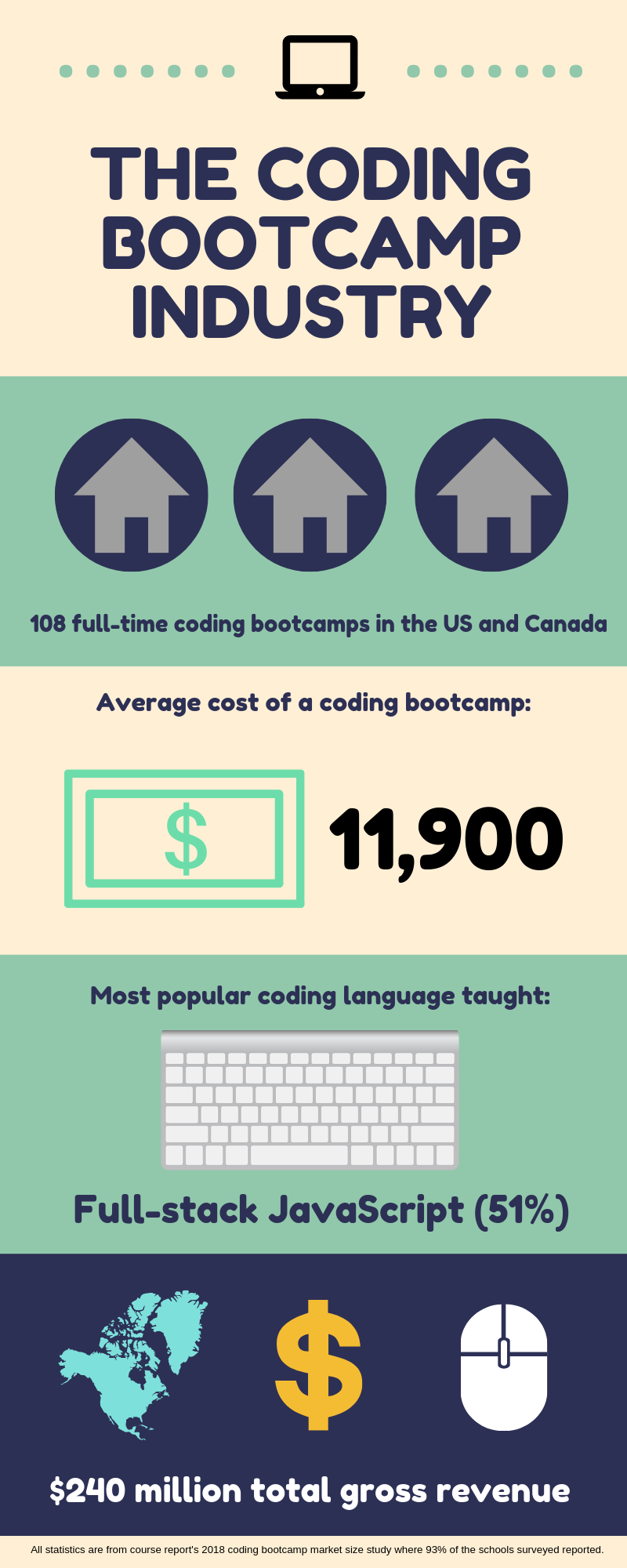
Bootcamps often cost between $10,000 and $20,000. If that is out of reach, community colleges offer accredited degrees for a fraction of the price. For those with zero budget, open-source resources and free tiers of platforms like Scrimba provide a viable entry point.
Do you need external accountability? Structured bootcamps or university programs provide deadlines and peer support. If you are highly self-motivated, self-guided paths through Coursera or Udacity Nanodegrees offer flexibility without the rigid schedule.
Before committing to any paid program, verify its outcomes. Look for independent verification of job placement rates and graduate salaries rather than marketing claims. If a program cannot provide transparent, verified data, it is likely not worth the investment.
No comments yet. Be the first to share your thoughts!