
Why look beyond bootcamps
The coding bootcamp model, once the gold standard for career switchers, is facing a credibility crisis. High tuition fees—often exceeding $15,000—coupled with a saturated entry-level job market have made the return on investment increasingly uncertain. For many learners, the promise of a quick tech career no longer justifies the financial risk or the rigid, full-time commitment.
The landscape has shifted dramatically. High-quality, self-directed resources are now more accessible and effective than ever. Platforms like freeCodeCamp, Scrimba, and Coursera offer structured curricula that rival bootcamp content at a fraction of the cost. This accessibility allows learners to tailor their education to specific needs without the pressure of a fixed timeline.
Cost is the most immediate driver for seeking alternatives. A typical bootcamp can cost as much as an associate degree, whereas a self-directed stack might cost less than $500. This price disparity is not just about saving money; it’s about flexibility. Learners can maintain their current income while upskilling, reducing the opportunity cost that often forces bootcamp graduates into debt.
Cost Comparison: A $15,000 bootcamp vs. a $500 online course stack. The savings are significant, allowing for multiple certifications or deeper specialization without financial strain.
Beyond cost, the flexibility of self-paced learning is a major advantage. Bootcamps demand intense, often overwhelming, immersion. In contrast, online platforms allow you to learn at your own speed, revisiting complex topics as needed. This approach fosters deeper understanding and better retention, which is crucial for long-term success in a fast-evolving field.
The rise of these alternatives also reflects a broader change in how tech skills are valued. Employers are increasingly looking for demonstrable projects and practical skills rather than just certificates. Self-directed learners can build a portfolio that showcases their ability to solve real-world problems, often making them more competitive than bootcamp graduates with standardized, cookie-cutter projects.
Top structured learning platforms
If you are looking for coding bootcamp alternatives that offer structure without the $15,000 price tag, self-paced online platforms are your best starting point. Unlike traditional bootcamps, which force you into a rigid cohort schedule, these platforms let you build a curriculum that matches your current skill level and availability.
The market has shifted away from generic "learn to code" advice toward specialized tracks. The most viable alternatives fall into two categories: comprehensive subscription services that mimic bootcamp curricula, and university-backed platforms that prioritize credentialing over rapid job placement. Below, we compare the most prominent options based on cost, structure, and career support.
How the top alternatives compare
The following table breaks down the key differences between the leading structured learning platforms. We focused on monthly costs, the level of structure provided, and the tangible value of their certificates in the current job market.
| Platform | Price | Structure Level | Certificate Value | Best Use Case |
|---|---|---|---|---|
| AlgoCademy | ~$19/mo | High (Guided paths) | Low (Skill-based) | Algorithm practice & interview prep |
| Codecademy Pro | ~$24.99/mo | Medium (Interactive) | Low (Completion) | Beginner syntax & hands-on coding |
| freeCodeCamp | Free | High (Project-based) | Medium (Portfolio) | Zero-budget learners & portfolio building |
| Coursera | ~$49/mo | High (Academic) | High (University-backed) | Formal credentials & computer science fundamentals |
| Udacity | ~$399/mo (Nanodegree) | Very High (Mentored) | High (Industry-recognized) | Specialized tech stacks (AI, Cloud) |
Breaking down the options
AlgoCademy and Codecademy are ideal if you need flexibility. AlgoCademy focuses heavily on data structures and algorithms, which is critical for technical interviews but less useful for building full-stack applications. Codecademy offers a broader introduction to web development, but its certificate holds little weight with hiring managers because it verifies completion, not competency.
freeCodeCamp remains the strongest free alternative. Its curriculum is project-heavy, meaning you graduate with a GitHub portfolio rather than just a certificate. This is often more valuable than a paid bootcamp credential because employers can see the actual code you wrote. However, it lacks the human mentorship that many beginners need to stay on track.
Coursera and Udacity represent the premium end of the spectrum. Coursera partners with universities like Stanford and Michigan, offering certificates that carry academic weight. Udacity’s Nanodegrees are closer to bootcamps in their intensity, offering code reviews from human mentors. While more expensive than subscriptions, they are significantly cheaper than traditional bootcamps and provide the structured feedback loop that self-learners often miss.
Choosing the right path
Your choice should depend on your end goal. If you are preparing for a technical interview at a large tech company, AlgoCademy or a rigorous Coursera CS course will serve you better. If you are trying to pivot careers quickly and need a portfolio, freeCodeCamp’s project-based approach is the most efficient route. For those who struggle with self-discipline, Udacity’s mentorship model bridges the gap between self-study and the accountability of a bootcamp.
Community-driven learning paths
Open-source communities and peer-led groups offer a distinct alternative to traditional coding bootcamps. Instead of paying for a structured curriculum, you join existing networks where developers share resources, review code, and solve problems together. This approach is often free or low-cost, but it demands a high degree of self-discipline and proactive engagement.
The primary advantage is the authenticity of the learning environment. You are not following a pre-packaged syllabus designed for mass consumption; you are participating in real-world development practices. Platforms like GitHub and specialized Discord servers allow you to observe how experienced engineers handle pull requests, debug complex issues, and collaborate on large codebases. This exposure to actual industry workflows can be more valuable than theoretical coursework.
However, this path is not for everyone. Without a designated instructor to guide you, it is easy to get stuck or develop bad habits. Success requires you to set your own milestones, seek out constructive criticism, and persist through ambiguity. As one discussion on r/codingbootcamp noted, while resources like freeCodeCamp and Scrimba are excellent, statistically, self-directed learners often struggle without external accountability structures [src-serp-1].
To make this work, you must treat your community involvement like a job. Attend regular meetups, participate in code reviews, and contribute to open-source projects. The goal is to build a portfolio of visible contributions rather than just completing online quizzes. This method builds a professional network alongside your technical skills, which can be crucial for landing your first role.
How to pick the right coding bootcamp alternative
Choosing between structured bootcamps and self-paced alternatives comes down to matching your learning style with your budget and career timeline. There is no single "best" option; the right path depends on how much structure you need versus how much flexibility you can handle.
Use this framework to narrow down your choices. Each step addresses a specific constraint that eliminates unsuitable options.

Do you thrive in a cohort-based environment with daily deadlines, or do you learn better in isolation? Structured bootcamps and university certificates provide accountability and peer support, which is critical if you struggle with self-discipline. If you prefer total autonomy, platforms like Codecademy or freeCodeCamp allow you to control your pace without the pressure of a fixed schedule.
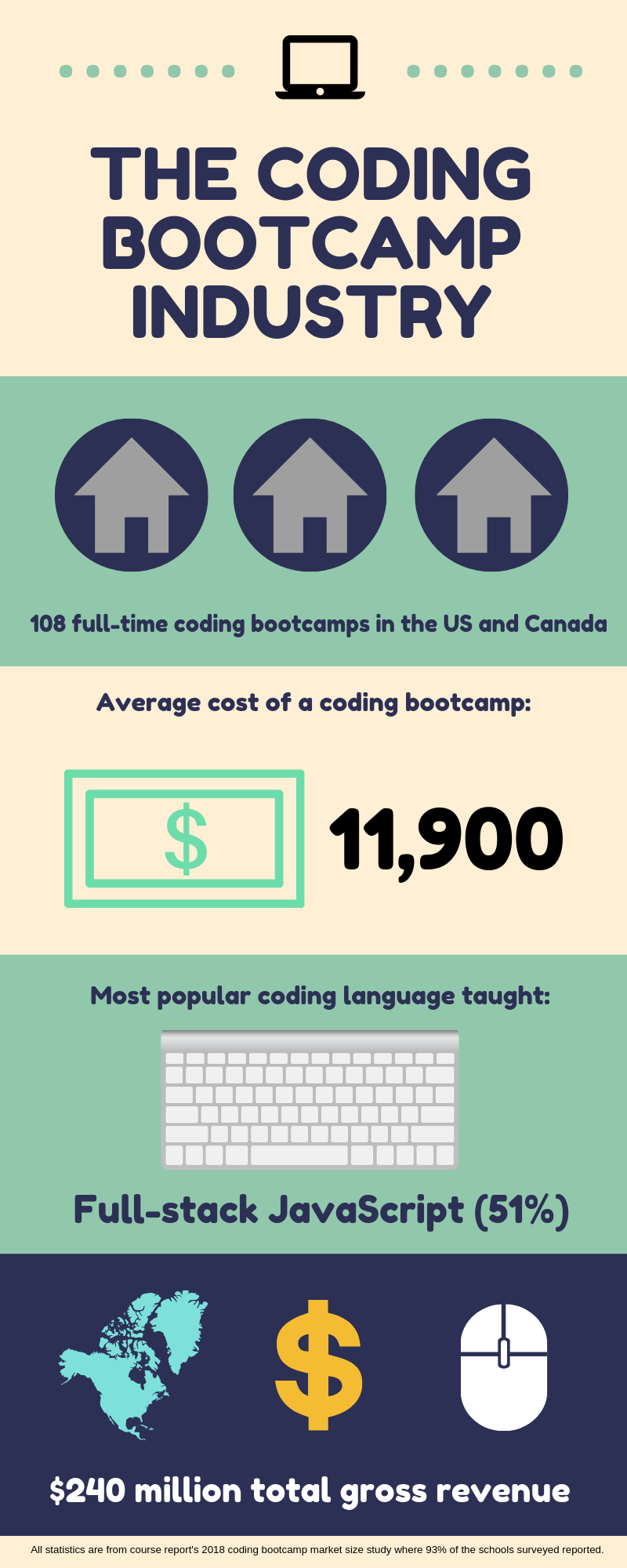
How quickly do you need to be job-ready? Traditional bootcamps are intensive, often requiring 12-16 weeks of full-time study. If you have a full-time job or family commitments, online courses or part-time certificates offer a more sustainable path. Keep in mind that self-paced learning often takes longer to complete, so factor in the extra months of independent study when planning your transition.
Coding bootcamp alternatives vary wildly in cost. Self-paced platforms like freeCodeCamp are free, while Codecademy Pro costs around $240 per year. University certificates or Udacity Nanodegrees can range from $300 to over $1,000. Weigh these costs against the potential salary increase. If you are starting from scratch, a low-cost option lets you test your interest before committing to a high-ticket program.
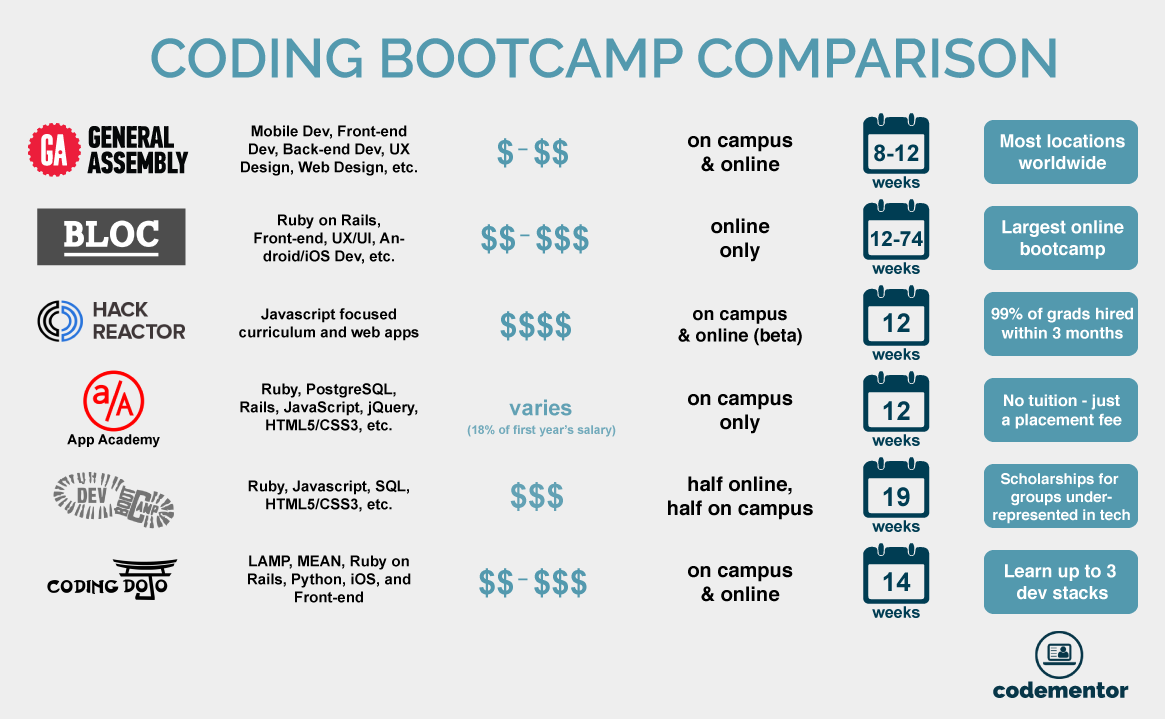
If your goal is a career switch, do you need job placement assistance? Many bootcamps offer resume reviews, mock interviews, and hiring partner networks. Most self-paced platforms do not. If you choose a cheaper, unstructured path, you must be willing to build your own network and portfolio without institutional support.
-
I have a clear budget of $X or less
-
I can dedicate X hours per week
-
I need job placement support
-
I prefer self-paced or cohort-based learning
Common questions about self-directed learning
Switching from a structured bootcamp to self-study raises practical concerns. Here are answers to the most frequent questions about credentials, motivation, and hiring.
No comments yet. Be the first to share your thoughts!