
The three main paths to learning code
Before comparing specific programs, it helps to understand that coding bootcamp alternatives generally fall into three distinct categories. Each path offers a different balance of structure, cost, and time commitment. Choosing the right one depends on your current skill level, budget, and career goals.
Self-directed and free resources
The most accessible alternative to a bootcamp is self-directed learning. Platforms like freeCodeCamp, Scrimba, and The Odin Project provide comprehensive, project-based curricula at no cost. While this path offers maximum flexibility and zero financial risk, it requires significant self-discipline. Without a structured syllabus or instructor feedback, many learners struggle with motivation or get stuck on technical hurdles without guidance.
Paid online courses and bootcamps
For those who prefer structure but want to avoid the high cost of a full-time immersive bootcamp, paid online courses are a popular middle ground. Platforms like Udemy, Coursera, and Pluralsight offer specific courses on languages like JavaScript or Python, or broader stacks like MERN. These courses provide clear learning paths and often include community support, but they lack the intensive, job-ready portfolio focus of a traditional bootcamp. You get what you pay for: knowledge, but not necessarily a career change package.
Community colleges and academic programs
Community colleges remain one of the most reliable alternatives to coding bootcamps. Many institutions offer associate degrees or certificate programs in computer science, web development, or IT. Tuition is typically much lower than that of bootcamps or four-year universities, and financial aid is often available. This path provides a recognized credential and a broader educational foundation, though it may take longer to complete than a focused coding course.
comparison of top learning platforms
Choosing the right coding bootcamp alternative depends on how you prefer to learn and what you can afford. While traditional bootcamps offer intensive, structured immersion, these alternatives range from self-paced online courses to accredited community college programs. The following table breaks down the most popular options by cost, structure, and ideal use case.
| Platform | Cost | Structure | Best For |
|---|---|---|---|
| freeCodeCamp | Free | Self-paced, project-based | Zero-budget learners |
| Codecademy Pro | ~$25/month | Interactive, guided paths | Beginners needing structure |
| Coursera | Free audit / $49-79/month | University-style, semester-based | Academic rigor & certificates |
| Udemy | ~$10-20 per course | On-demand video lectures | Specific skill deep-dives |
| Community Colleges | Low tuition / Financial aid | In-person or hybrid, accredited | Career changers seeking degrees |
self-paced vs. structured learning
The biggest trade-off is between flexibility and accountability. Platforms like freeCodeCamp and Udemy offer complete freedom, allowing you to learn at your own speed. This is ideal if you are disciplined and only need to fill specific knowledge gaps. However, the lack of deadlines can lead to procrastination.
In contrast, Coursera and Codecademy Pro provide more structure. Coursera mimics university semesters with weekly assignments, which helps maintain momentum. Codecademy uses interactive coding environments that guide you step-by-step, reducing the friction of setting up local development environments. For those who struggle with self-direction, this guided approach often yields better completion rates.
cost considerations
Price varies significantly across these alternatives. freeCodeCamp is entirely free, making it the most accessible option for beginners. Udemy is also inexpensive, especially if you wait for sales, but you pay for each course separately. Coursera and Codecademy operate on subscription models, offering access to their entire libraries for a monthly fee.
Community colleges remain one of the most reliable alternatives to coding bootcamps for long-term career stability. Many institutions offer associate degrees or certificate programs in computer science, web development, or IT. Tuition is typically much lower than that of bootcamps or four-year universities, and financial aid is often available. This path is slower but provides a recognized credential that can be valuable for passing HR filters.
Community college vs online courses
For many aspiring developers, the high cost and unstructured nature of coding bootcamps are significant barriers. Community colleges and accredited online courses offer a structured, financially viable alternative that prioritizes foundational knowledge over rapid job placement. While bootcamps compress learning into intense, short bursts, these academic paths provide a deeper understanding of computer science principles, which can be critical for long-term career growth in a shifting tech landscape.
The value of accredited certificates
Community colleges often provide associate degrees or specialized certificates in web development, IT, and computer science. These programs are typically accredited, meaning the credentials are recognized by employers and can transfer to four-year universities. Unlike bootcamp certificates, which vary widely in quality and recognition, academic credits carry weight in traditional hiring processes and government roles.
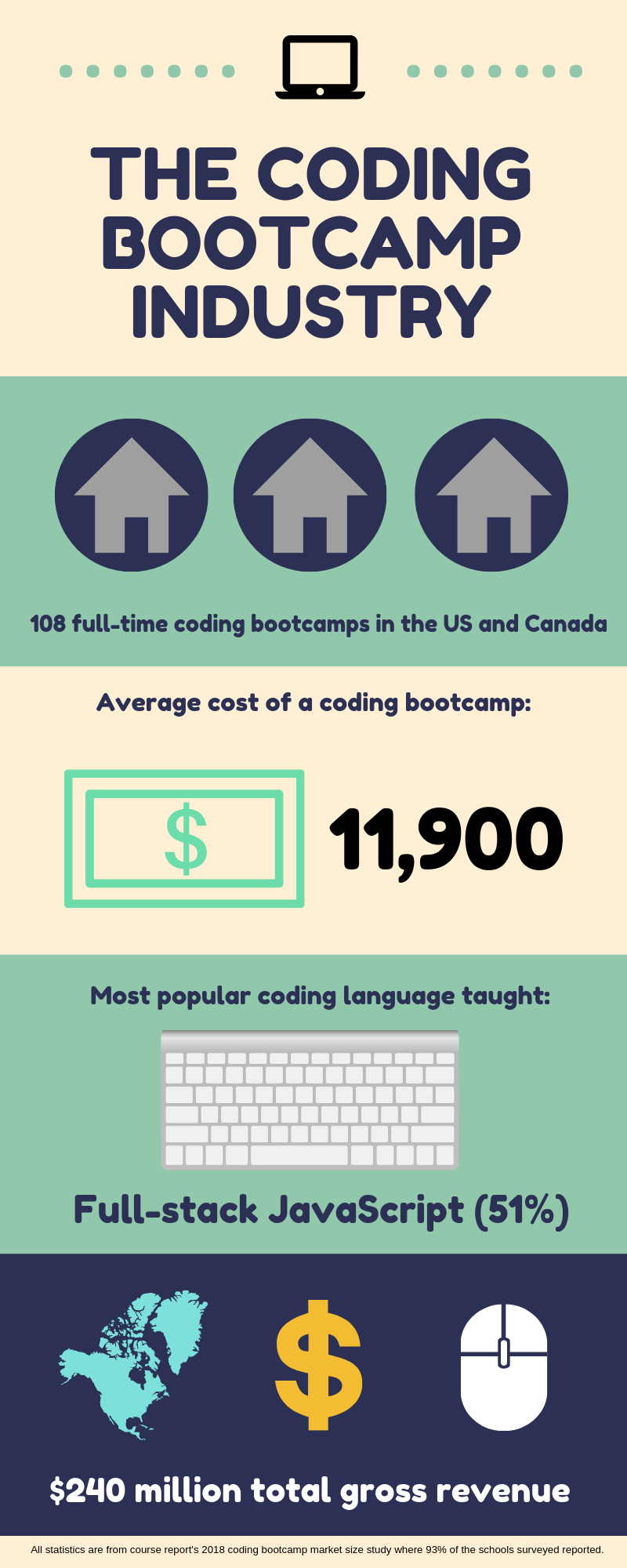
Tuition at community colleges is significantly lower than bootcamp tuition, which can range from $10,000 to $20,000. Many community colleges charge per credit hour, making the total cost often less than half that of a bootcamp. Additionally, students are eligible for federal financial aid, grants, and scholarships, which are rarely available for private coding bootcamps. This financial structure reduces the risk of debt for students who are unsure about their commitment to a tech career.
Structured vs. unstructured learning
Online courses and self-directed learning offer flexibility, but they lack the accountability and structure of formal education. As one Reddit user noted, relying solely on platforms like Udemy or freeCodeCamp "statistically doesn't work" because it places the burden of curriculum design and discipline entirely on the learner [src-serp-1].
Community college courses follow a semester schedule with set deadlines, peer collaboration, and instructor feedback. This environment mimics a professional workplace, helping students develop soft skills like teamwork and communication. For those who struggle with self-motivation, the structured schedule of a college course provides the necessary framework to complete the program and gain practical experience through group projects.
When to choose an academic path
Choosing between a community college, online courses, and a bootcamp depends on your learning style and financial situation. If you need a recognized credential, access to financial aid, and a structured environment, community colleges are a strong alternative to coding bootcamps. For those who can self-discipline and prefer flexibility, online courses may suffice, but they require a higher level of personal accountability to succeed.
Real developer experiences online
The gap between structured bootcamp curricula and self-directed learning is where most candidates either succeed or stall. Online forums reveal a consistent pattern: the primary differentiator is not the source of the material, but the discipline applied to completing it.
Discussions on platforms like Reddit highlight the stark reality of self-taught paths. While resources like freeCodeCamp, Scrimba, and Udemy are abundant, they lack the forced accountability of a cohort-based program. Users frequently note that without a structured timeline, the statistical likelihood of dropping off is high. The consensus is that self-teaching requires a level of project-based rigor that mirrors professional environments, something that passive video consumption rarely provides.
"Statistically this doesn't work because it puts the burden of curation and pacing entirely on the learner." — r/codingbootcamp
This friction is why many successful self-taught developers supplement free content with paid, single-topic courses. These one-off courses, often focused on specific stacks like MERN or frontend frameworks, provide the necessary structure without the full bootcamp price tag. They allow learners to build a portfolio piece by piece, ensuring that each module results in tangible code rather than just consumed knowledge.
The takeaway is clear: coding bootcamp alternatives are viable, but they demand a higher degree of self-management. The resources exist; the missing variable is often the learner's ability to treat self-education as a full-time job rather than a hobby.
How to choose your learning path
Choosing between coding bootcamp alternatives requires aligning three variables: your budget, available time, and preferred learning style. Structured programs offer accountability but often come with high price tags, while self-directed paths offer flexibility but demand significant discipline. The right choice depends on which constraints are most rigid for you.

Community colleges and free resources like freeCodeCamp are ideal if you have limited funds. These options provide structured curricula without the $10,000+ tuition of traditional bootcamps. If you can invest more, platforms like Coursera or Udacity offer university-backed certificates that balance cost with credential value.
If you need to work full-time, self-paced courses like Codecademy Pro or Udemy are safer bets than intensive 12-week bootcamps. Conversely, if you can dedicate 40+ hours a week, a cohort-based program like AlgoCademy provides the structured immersion needed to reach job-ready status in under three months.
Visual learners thrive with interactive platforms like Codecademy, while those who prefer reading and theory may find university MOOCs on Coursera more effective. If you need external accountability, join a local coding meetup or an online cohort to simulate the pressure and support of a traditional bootcamp environment.
Decision Checklist:
-
I have identified a budget under $2,000 or am eligible for financial aid.
-
I can commit 10-15 hours weekly (self-paced) or 40+ hours (intensive).
-
I prefer interactive coding exercises or video lectures.
-
I have a clear goal: career change, hobby, or skill upgrade.
Common questions about self-taught coding
Prospective developers often search for clarity on timelines, age factors, and viable alternatives before committing to a learning path. Understanding the tradeoffs between structured education and self-directed study helps set realistic expectations for skill acquisition.
No comments yet. Be the first to share your thoughts!