
Why look beyond bootcamps
The coding bootcamp model, once the golden ticket to a six-figure tech job, is facing serious scrutiny in 2026. The job market has shifted. Entry-level roles are harder to land, and the promise of a quick career pivot is no longer guaranteed. Many graduates find themselves competing against computer science degree holders who offer deeper theoretical foundations, all while facing an industry that is increasingly automated.
Note on market shifts: AI coding assistants are changing entry-level expectations, making foundational knowledge more critical than ever.
This reality has pushed many learners to explore alternatives that offer better long-term value. Community colleges, self-directed learning, and university degree programs are gaining traction because they address the core tradeoffs that bootcamps often gloss over: cost, time, and support. While bootcamps promise speed, they often come with high tuition and limited career support once the market tightens.
Looking beyond the bootcamp hype allows you to make a more realistic decision. It is not about finding the fastest route, but the most sustainable one. Whether you are balancing a full-time job, managing a tight budget, or aiming for long-term career resilience, understanding these alternatives helps you choose a path that fits your actual life, not just the industry's best-case scenario.
Self-taught paths and free resources
Self-directed learning is the most affordable route into coding, relying on free or low-cost materials rather than structured tuition. Platforms like freeCodeCamp, YouTube tutorials, and official documentation provide the core curriculum that bootcamps charge thousands for. This path offers maximum flexibility but requires significant discipline to manage the vast amount of available information without a syllabus.
The primary tradeoff is time versus money. While you save on tuition, you invest heavily in self-motivation and research. Without an instructor to clarify concepts, beginners often spend weeks stuck on minor errors that a teacher could resolve in minutes. However, the ability to learn at your own pace and revisit difficult topics as needed can lead to a deeper, more personalized understanding of the fundamentals.

Success in this model depends on building a structured routine. Treat self-study like a part-time job, dedicating consistent hours each week to projects and practice. Joining online communities, such as Discord servers or Reddit forums, can provide the support network missing from traditional self-study, helping you stay accountable and troubleshoot code when you hit roadblocks.
Key takeaways
- Lowest cost option with access to high-quality free materials.
- Requires strong self-discipline and time management skills.
- Best for those who prefer flexible, self-paced learning environments.
Structured online courses and platforms
If a bootcamp feels like too big a leap, structured online platforms offer a middle ground. They provide the curriculum and guidance you need to stay on track, without the high cost or time commitment of full immersion. These platforms are ideal for beginners who want a clear path from zero to functional coder.
Top platforms compared
Three platforms stand out for their structured approach to learning web development. Each offers a different balance of cost, flexibility, and support.
Udemy is best for budget-conscious learners. You buy individual courses, often on sale for under $20. The content is high-quality, but you are largely on your own to complete it. There is no structured curriculum unless you build one yourself from multiple courses.
Codecademy Pro offers an interactive, hands-on environment. It is excellent for learning syntax and basic logic through immediate feedback. The Pro tier adds projects and career paths, making it more structured than the free version. It is a great starting point for absolute beginners.
Coursera partners with universities and companies like Google and IBM. It offers professional certificates and degrees. The content is academically rigorous and often includes graded assignments and peer reviews. It is more expensive and time-intensive than Udemy or Codecademy, but the credentials carry more weight.
Which platform fits your goals?
Choosing the right platform depends on your learning style and budget. If you need structure and accountability, Coursera is the strongest option. If you prefer hands-on practice and low cost, Codecademy or Udemy are better fits.
| Platform | Cost | Time Commitment | Certification Value |
|---|---|---|---|
| Udemy | $10-$20 per course | Self-paced, variable | Low |
| Codecademy Pro | ~$20/month | Self-paced, 10-20 hrs/week | Medium |
| Coursera | ~$49-$79/month | 4-6 weeks per course | High |
Is it worth the investment?
Online courses are a realistic alternative to bootcamps if you are disciplined. They teach you the skills, but they do not guarantee a job. You will still need to build a portfolio and network to land a role. However, they are a far more affordable way to test your interest in coding before committing to a larger investment.
Community colleges and degree programs
Community colleges offer a reliable, structured alternative to coding bootcamps, particularly for those who value academic depth and financial stability. Instead of an intensive three-to-six-month sprint, you are looking at a two-year timeline to earn an associate degree or a shorter certificate program in computer science, web development, or information technology.
The primary advantage here is cost. Tuition at community colleges is typically a fraction of bootcamp fees, and because these are accredited institutions, you often qualify for federal financial aid, grants, or scholarships that private bootcamps cannot offer. This makes the path significantly more accessible if you are mindful of debt.
However, the tradeoff is time and structure. You will spend more months in school, and the curriculum may include general education requirements alongside your coding classes. While this provides a broader academic foundation, it moves slower than the focused, job-ready intensity of a bootcamp. You also have less built-in career support; you will need to be proactive about networking and internships to land your first role.
"The alternative to coding bootcamps is to just find another career. Nowadays there's absolutely no shortage of 4 year CS grads who have also..." — Reddit user, r/codingbootcamp
This sentiment highlights a reality check: the entry-level job market is competitive. An associate degree does not guarantee a job any more than a bootcamp does, but it provides a recognized credential that can help you pass initial HR filters. It is a slower, steadier climb that prioritizes long-term educational value over rapid entry.
Comparing costs and time commitments
Choosing the right path often comes down to balancing your budget with your schedule. Bootcamps offer speed but demand a significant financial investment, while self-taught routes save money but require immense discipline. Online courses and community colleges provide middle-ground options that fit various learning styles.
The table below breaks down the typical tradeoffs for each option. Keep in mind that these are averages; individual programs and personal pacing will vary.
| Option | Avg. Cost | Duration | Support Level |
|---|---|---|---|
| Coding Bootcamp | $10,000–$20,000 | 12–24 weeks | High (Mentors/Job Help) |
| Self-Taught | $0–$500 | 6–12+ months | Low (Community/Forums) |
| Online Courses | $50–$500 | 1–6 months | Medium (Instructor Q&A) |
| Community College | $2,000–$5,000 | 1–2 years | High (Academic Advisor) |
If you need to enter the workforce quickly, a bootcamp or intensive online course might be worth the cost. However, if you are exploring coding as a hobby or have a tight budget, self-teaching or community college offers a safer financial entry point. Always factor in hidden costs like hardware upgrades or certification exams when planning your budget.
Choosing the right path for your goals
There is no single "best" way to learn code. The right choice depends entirely on your current life constraints. Bootcamps offer speed but demand high cost and full-time availability. Self-study is free but requires intense discipline. University degrees provide depth but take years.
Use this checklist to filter your options. If you can commit 40 hours a week and have $10,000 to spend, a bootcamp might work. If you are working full-time or on a tight budget, online courses or community college are safer bets. Be realistic about your job market readiness; self-taught developers often face a steeper climb to their first role.
Bootcamps require full-time immersion for 12-16 weeks. If you cannot pause your life, look for part-time online courses or evening community college classes instead.
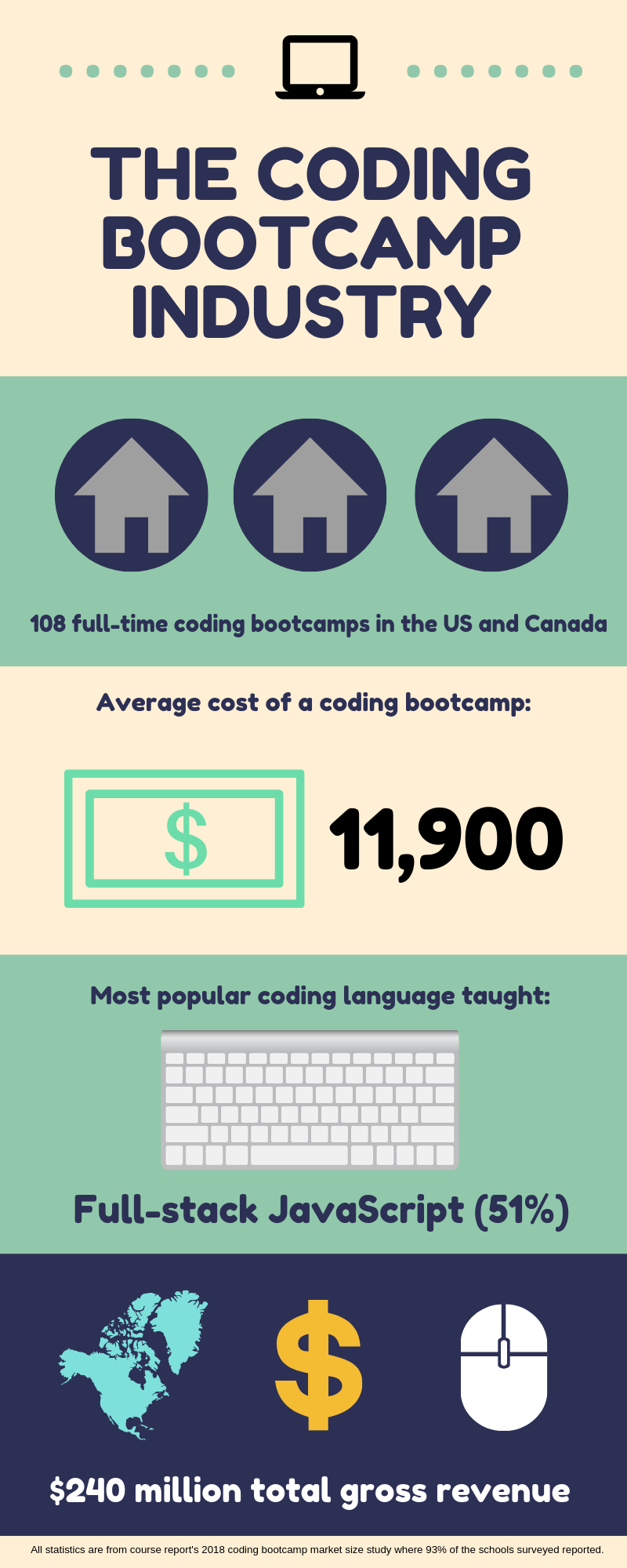
Bootcamps often cost $10,000-$20,000. If this is out of reach, consider free resources like freeCodeCamp or low-cost certificates from community colleges, which are often eligible for financial aid.
Do you need structure and accountability? Bootcamps and universities provide this. If you are highly self-motivated and can create your own schedule, self-paced online platforms may be more flexible and affordable.
Common questions about learning to code
Starting a career in tech often brings up practical concerns about time, money, and age. Here are straightforward answers to the most frequent questions beginners ask.
The reality is that there is no magic shortcut. Whether you choose a community college, self-study, or a bootcamp, you must be prepared to invest serious time and effort. Focus on building tangible projects rather than just watching tutorials.
No comments yet. Be the first to share your thoughts!