
The state of certifications in 2026
Software developers are still in high demand heading into 2026. This has led to a surge in bootcamps and online platforms promising quick career pivots. While a fast track to a high salary sounds great, most of these programs require more grit than the marketing suggests.
Traditionally, a computer science degree was the gold standard for entry into the field. However, the rapid evolution of technology and the need for specialized skills have led to the rise of alternative learning pathways. Bootcamps offer intensive, short-term training, while certifications aim to validate specific skill sets. There’s a growing trend towards skills-based hiring, where employers prioritize demonstrable abilities over formal qualifications.
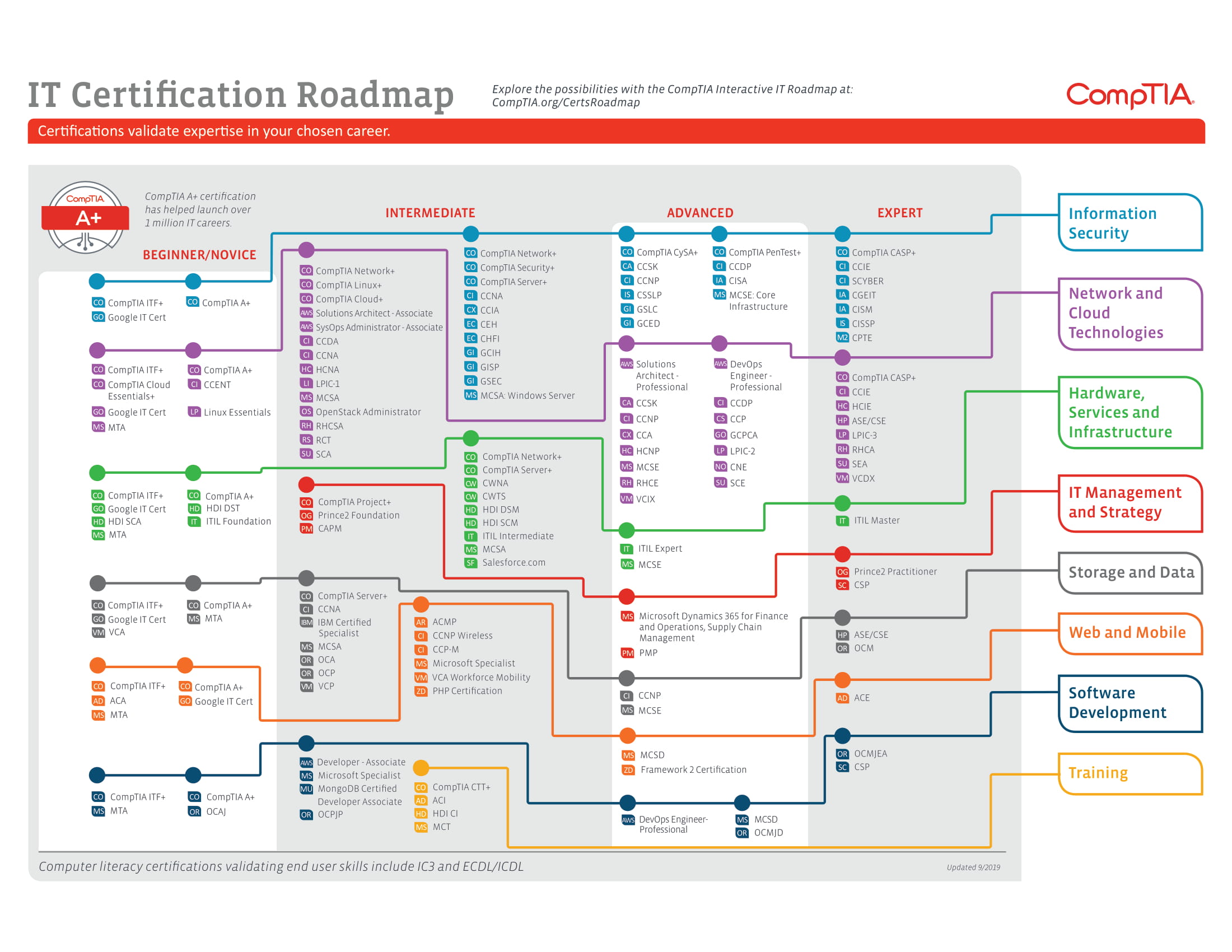
Let’s be clear: a certificate isn’t a guaranteed ticket to a job. It can, however, help you get your foot in the door, particularly if you're changing careers or lack a traditional educational background. The value of a certification often depends on the reputation of the provider, the specific skills covered, and, crucially, what you do with those skills.
Free paths that actually work
Several platforms offer excellent, completely free programming certification paths. Codecademy is a well-known option, providing interactive lessons in various languages and offering career paths with associated certifications. These paths often focus on in-demand skills, and the hands-on approach is beneficial for beginners. You can explore their offerings at codecademy.com.
freeCodeCamp is another popular choice, known for its project-based curriculum and focus on web development. Completing their certifications requires building a series of projects that demonstrate your understanding of the concepts. This practical experience is highly valuable. The curriculum covers HTML, CSS, JavaScript, and various frameworks.
Harvard’s CS50 is the gold standard for introductory computer science. It isn't a vocational certificate, but it builds a foundation that most bootcamps skip. The course is difficult. You can audit the CS50x version for free, which gives you the same lectures as on-campus students without the price tag.
The biggest advantage of these free options is accessibility. However, they often lack the dedicated support and structured curriculum found in paid programs. Self-discipline is essential, and you may need to supplement your learning with additional resources to fill any gaps in your knowledge. Be realistic about the time commitment – completing these programs requires consistent effort.
- Codecademy provides interactive lessons and specific career paths for different languages.
- freeCodeCamp focuses on web development through a project-based curriculum.
- Harvard CS50: Rigorous introduction to computer science, excellent foundation for further learning.
Free Programming Certification Programs: A Comparison (2026)
| Program | Cost | Languages & Focus | Project Emphasis | Community & Support | Employer Recognition |
|---|---|---|---|---|---|
| Codecademy | Free basic access; Paid Pro options available | Python, JavaScript, HTML/CSS, SQL, Java, C++ - broad introductory coverage | Moderate - guided projects, but often shorter in scope | Active forums, but Pro access unlocks more dedicated support | Medium - well-known, good for demonstrating initial interest |
| freeCodeCamp | Completely Free | JavaScript, Python, Responsive Web Design, Data Visualization, APIs and Microservices, Quality Assurance | Very High - curriculum built around building multiple full-stack projects and a portfolio | Large and very active forum, strong community-driven support | Medium to High - increasingly recognized, especially for web development roles |
| CS50 (Harvard) | Free to audit; Certificate available for a fee | C, Python, SQL, JavaScript, HTML, CSS - foundational computer science principles | Significant - problem sets and final projects emphasize practical application | Strong through Harvard's platform and community; supplemental forums available | High - prestigious, demonstrates strong foundational knowledge |
| Khan Academy | Completely Free | HTML/CSS, JavaScript, SQL | Moderate - interactive challenges and smaller projects | Good, with active forums and teacher resources | Lower - generally seen as introductory, but valuable for beginners |
| The Odin Project | Completely Free | Ruby on Rails, JavaScript, HTML/CSS | Very High - curriculum centered around building real-world web applications | Active Discord server and community support | Medium - gaining recognition, particularly for Ruby on Rails and full-stack JavaScript |
Qualitative comparison based on the article research brief. Confirm current product details in the official docs before making implementation choices.
What you pay for in a premium program
Paid certification programs like those offered by Coursera, Udacity, and edX generally provide a more structured learning experience. Coursera (coursera.org) partners with universities and institutions to offer courses, specializations, and even full degrees in programming. These programs often include graded assignments, instructor feedback, and a certificate upon completion.
Udacity’s Nanodegree programs are designed in collaboration with industry leaders, focusing on in-demand skills. They emphasize project-based learning and provide personalized mentorship. edX, similar to Coursera, offers courses from top universities. A key benefit of these platforms is the access to instructors and a supportive learning community.
Specialized bootcamps, while often expensive, offer intensive, immersive training in a specific technology or field. These programs typically last several weeks or months and aim to prepare students for immediate employment. Financing options, such as income share agreements, are sometimes available. However, carefully research the bootcamp’s reputation and job placement rates before enrolling.
The 'prestige' factor of a paid certification is debatable. While some employers may value a certificate from a well-known university or institution, others prioritize practical skills and experience. The cost implications are significant, so carefully consider your budget and career goals before investing in a paid program.
Employer Perspectives: Do Certifications Matter?
Determining whether certifications truly matter to employers requires looking at real job postings. A quick scan of developer roles on sites like LinkedIn and Indeed reveals a mixed bag. While many postings don't explicitly require certifications, they often list specific skills and technologies that certifications can demonstrate proficiency in.
I see AWS, Azure, and Python certifications pop up in job descriptions constantly. But they usually act as a filter, not a final decision. In my experience, a hiring manager will skip over a certified candidate if they don't have a GitHub profile showing they can actually ship code.
The reality is that most companies are more interested in what you can do than what certificates you possess. A well-crafted portfolio showcasing your ability to solve real-world problems is far more compelling than a piece of paper. That said, a relevant certification can be a useful supplement to your portfolio, especially for entry-level positions.
It's also worth noting that some companies have their own internal training programs and may not place a high value on external certifications. Ultimately, the importance of certifications varies depending on the company, the role, and the industry.
Have you ever been directly asked for a programming certification during a job interview?
We are curious about your real-world experience with certifications in the hiring process. Whether you went the free route, paid for a program, or skipped certifications entirely, your answer helps the whole Instinct Coder community understand what actually matters when landing a dev role. Vote below!
Your portfolio is the only certificate that matters
If you want to demonstrate your programming skills to potential employers, focus on building a strong portfolio. This is arguably the most valuable 'certification' you can obtain. Choose projects that align with your career goals and showcase your ability to apply your knowledge to solve real-world problems.
Use version control (Git) to track your changes and collaborate with others. Write clean, well-documented code. This demonstrates professionalism and attention to detail. Document your projects thoroughly, explaining the problem you were trying to solve, the approach you took, and the technologies you used.
There are countless resources available for finding project ideas. Websites like GitHub offer a wealth of open-source projects you can contribute to. You can also find inspiration from online tutorials and coding challenges. Remember, the goal is to demonstrate your skills, not just to complete a project.
Essential Reads for Building a Stellar Developer Portfolio

Teaches principles for writing readable, maintainable, and extensible code. · Explores the importance of meaningful names, functions, and error handling. · Provides practical advice on object-oriented design and SOLID principles.
Mastering 'Clean Code' principles is essential for writing professional-grade software that's easier to debug and collaborate on, a key differentiator for employers.

Offers actionable advice on becoming a more effective and productive programmer. · Covers topics from personal responsibility and career development to architectural techniques. · Emphasizes the importance of continuous learning and adaptability in software development.
This foundational text, available for free, provides timeless wisdom on developing a pragmatic mindset crucial for long-term career success and problem-solving.
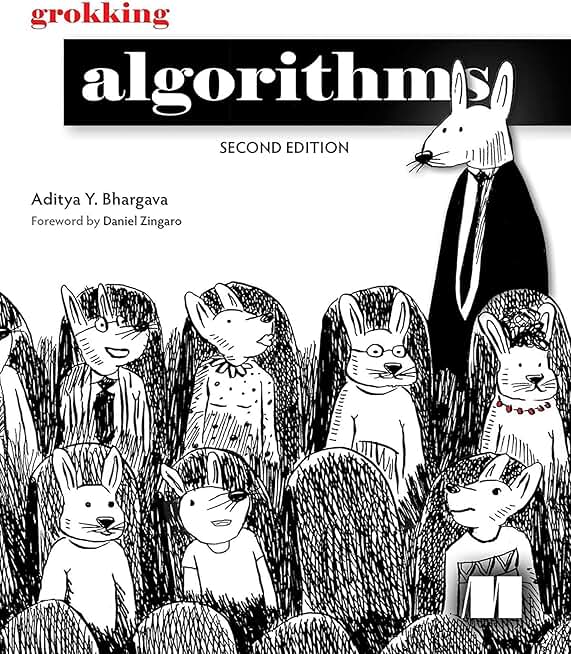
Explains complex algorithms and data structures with clear, intuitive illustrations. · Covers essential concepts like sorting, searching, graph algorithms, and machine learning. · Designed for readers with little to no programming background, making it accessible.
Understanding algorithms is fundamental to efficient programming, and this book makes those complex concepts easy to grasp, boosting your problem-solving toolkit.

Delves into the core principles of building robust and scalable distributed systems. · Explains trade-offs between different data storage and processing technologies. · Covers topics like databases, stream processing, and batch processing.
For roles involving large-scale systems, this book provides critical knowledge on designing applications that are reliable and performant, a highly sought-after skill.

Details a catalog of refactorings to improve code structure without altering functionality. · Explains how to identify and fix code 'smells' that indicate deeper design problems. · Provides practical guidance on applying refactoring techniques safely and effectively.
Learning to refactor demonstrates your ability to improve existing codebases, a valuable skill that shows you can enhance software quality and maintainability.
As an Amazon Associate I earn from qualifying purchases. Prices may vary.

No comments yet. Be the first to share your thoughts!