
AI tutors: a new era for coding education
The demand for skilled programmers continues to surge, impacting nearly every sector of the economy. Traditional coding education, while effective for many, often struggles to provide the personalized attention and immediate feedback crucial for rapid skill development. This is where AI-powered programming courses are beginning to reshape the learning experience.
These courses aren’t simply adding AI as an afterthought; they are built around machine learning tutors designed to adapt to individual learning styles and provide 24/7 support. Forget static tutorials and delayed responses from instructors. AI tutors offer instant code analysis, identify errors in real-time, and explain complex concepts in a way that resonates with each learner.
The shift isn’t just about convenience. AI can pinpoint specific areas where a student is struggling, offering targeted exercises and resources. This level of personalization was previously unattainable at scale. It's a fundamental change, moving away from a one-size-fits-all approach to a truly individualized learning journey.
This article will explore the best AI-powered programming courses available in 2026, examining their features, target audiences, and the specific ways they leverage artificial intelligence to accelerate the learning process. We’ll move beyond the marketing hype and focus on what these tools actually deliver.
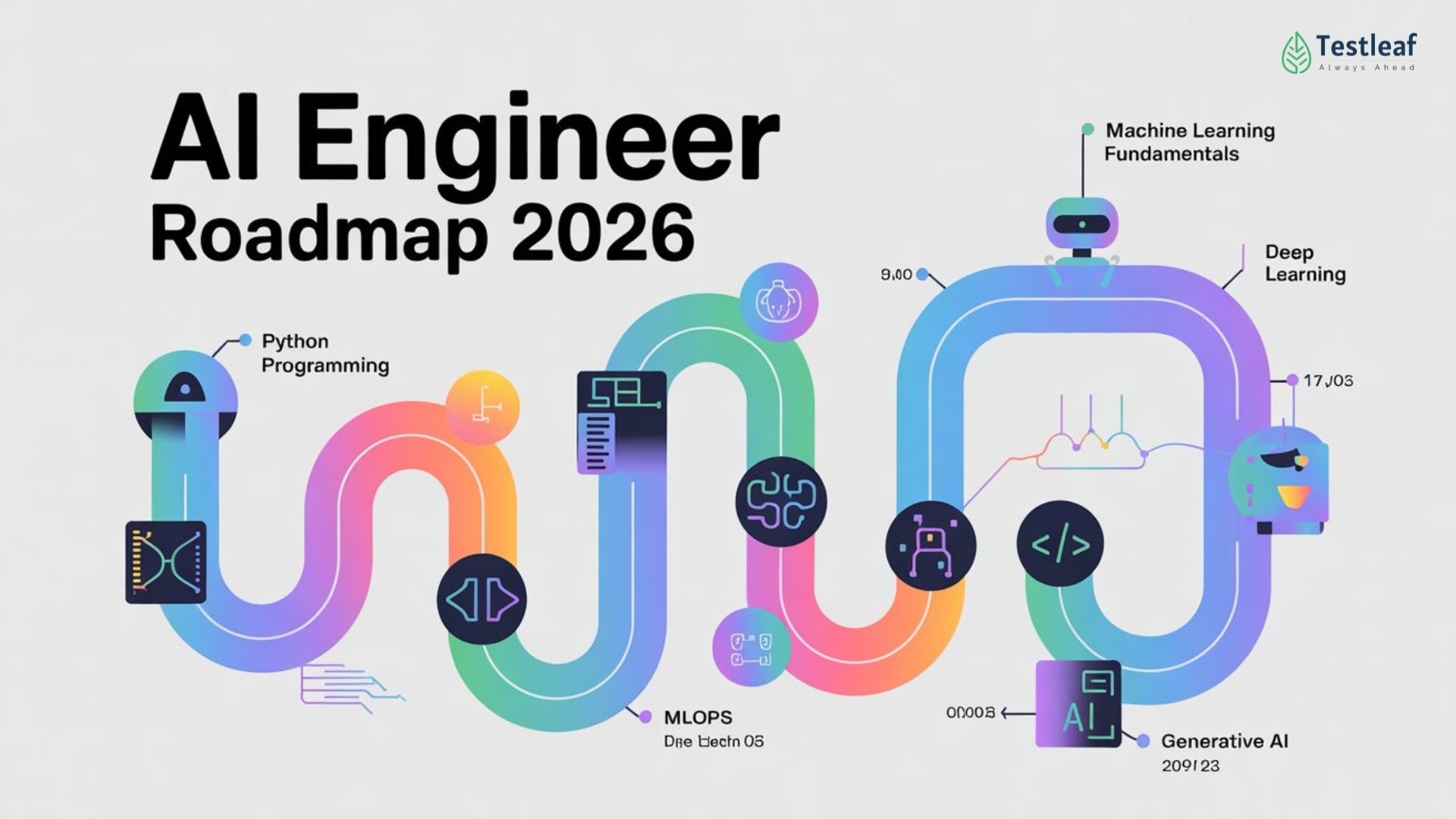
The best AI programming courses this year
Several platforms are leading the charge in integrating AI into their programming curricula. Codecademy, consistently recognized for its interactive approach, has made significant strides with its AI Builder. Coursera, a major provider of online courses from top universities, offers a range of programming courses enhanced with AI-powered tools. PCMag's evaluations highlight Code Avengers, SitePoint, and Treehouse as additional options.
Codecademy remains a strong contender, particularly for beginners. Their AI Builder, discussed in detail later, focuses on rapid prototyping and hands-on learning. It supports several popular languages, including Python and JavaScript, and is geared towards quickly building functional applications. The core Codecademy experience is still heavily guided, making it suitable for those who prefer structured learning.
Coursera’s strength lies in its partnerships with leading academic institutions. Courses like those offered through the University of Michigan or Stanford often incorporate AI-driven assessment tools and personalized feedback mechanisms. While not all Coursera courses feature dedicated AI tutors, many leverage machine learning to analyze student performance and recommend relevant resources. The breadth of topics available on Coursera is a major advantage.
SitePoint focuses on practical, project-based learning, with courses covering web development, PHP, and JavaScript. While details on specific AI integrations are less prominent in recent coverage, they offer curriculums designed for practical application and building real-world skills. Their approach emphasizes understanding why code works, not just how to write it.
Treehouse offers a structured learning path with a focus on web and mobile development. They’ve incorporated AI-powered code review tools to provide automated feedback on student submissions. This allows learners to quickly identify and correct errors, improving code quality and understanding. Treehouse is well-suited for those who prefer a clear, step-by-step learning process.
NxCode presents a more focused approach, specifically designed to help beginners learn to code with AI. Their platform emphasizes using AI tools like Copilot and ChatGPT to accelerate the coding process. It’s a practical strategy for developers aiming to integrate AI into their workflow from the start. They focus on the workflow, not just the language.
Udacity Nanodegree programs, while often more expensive, offer intensive, project-based learning experiences. Some Nanodegrees incorporate AI-powered mentorship to provide personalized guidance and support. These programs are geared towards career changers or those seeking to upskill in a specific area of programming.
It's important to note that the level of AI integration varies significantly between courses. Some platforms offer dedicated AI tutors, while others use AI to enhance existing learning materials. Carefully evaluate the AI features of each course to ensure they align with your learning needs.
Consider the supported languages. Python dominates the data science and machine learning space, while JavaScript is essential for web development. Java remains a popular choice for enterprise applications. Choose a course that focuses on the languages relevant to your career goals. Don't chase the latest fad; focus on fundamentals.
Finally, look at the course format. Some courses are self-paced, while others have fixed schedules and live instruction. Consider your learning style and time commitment when making your decision. A self-paced course offers flexibility, while a structured course provides accountability.
Essential Gear for AI-Powered Programming Mastery
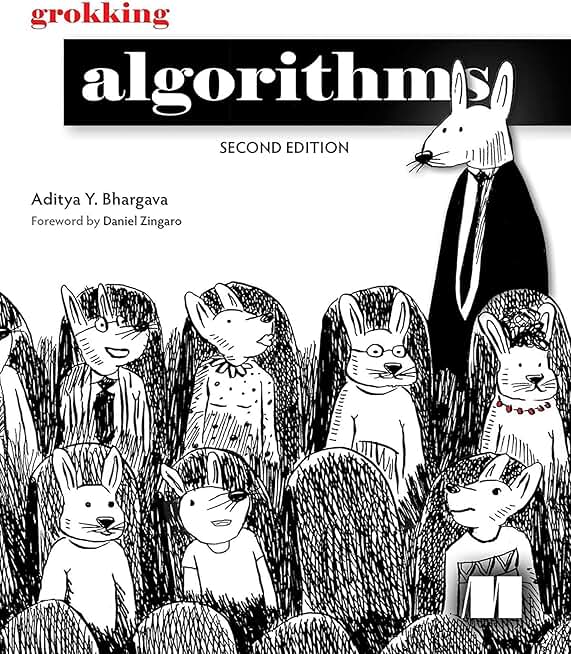
Illustrated explanations of core algorithms · Accessible to programmers and beginners · Covers essential data structures and algorithms
This book provides a visual and intuitive understanding of fundamental algorithms, crucial for building efficient AI models.

Split, curved keyframe for natural hand and arm positions · Integrated wrist rest for comfort · Wireless connectivity via Bluetooth or USB receiver
Maintain optimal comfort and reduce strain during long coding sessions with this ergonomic keyboard, allowing for focused learning.

World-class noise cancellation · Immersive Spatial Audio · Up to 30 hours of playtime
Eliminate distractions and immerse yourself in your studies with these premium noise-cancelling headphones, ensuring a focused learning experience.

15.6-inch Full HD IPS display · USB-powered for portability · Lightweight and slim design
Expand your workspace and multitask effectively with this portable monitor, ideal for viewing code, documentation, and AI outputs simultaneously.

Versatile for Apple services and devices · Digital delivery for immediate use · Customizable amount
This gift card offers flexibility to acquire essential software, apps, or accessories needed for your AI programming journey.
As an Amazon Associate I earn from qualifying purchases. Prices may vary.
Codecademy's AI Builder: Hands-On Experience
Codecademy’s AI Builder is a standout feature, explicitly designed to accelerate the coding process. It's not just a code completion tool; it’s an interactive environment where users can describe the application they want to build, and the AI generates the initial code. This lowers the barrier to entry significantly, allowing beginners to quickly experiment with different ideas.
The AI Builder currently supports Python and JavaScript. Users can specify the desired functionality in natural language, and the AI translates that into working code. It’s particularly effective for generating boilerplate code, handling common tasks, and providing suggestions for improvement. The system is designed to iterate quickly, allowing users to refine the code and explore different approaches.
One of the strengths of the AI Builder is its ability to provide context-aware suggestions. It understands the surrounding code and offers relevant completions and fixes. This reduces the likelihood of errors and helps learners understand the underlying principles of the language. It's not a replacement for understanding the code, but a powerful aid.
However, the AI Builder isn't without its limitations. It can sometimes generate code that is inefficient or contains subtle bugs. It’s crucial for users to review the generated code carefully and understand what it’s doing. It’s a learning tool, not an autopilot. Don't blindly trust the output.
What AI tutors actually do
AI tutors in programming offer a range of capabilities designed to enhance the learning experience. Code explanation is a core feature, where the AI breaks down complex code snippets into easily understandable terms. This is particularly helpful for beginners who are struggling to grasp fundamental concepts. It's more than just commenting; it's explaining the why behind the code.
Bug detection is another crucial capability. AI tutors can analyze code and identify potential errors, such as syntax errors, logical errors, and runtime exceptions. They typically provide specific suggestions for fixing the errors, helping learners understand the root cause of the problem. This accelerates the debugging process significantly.
Personalized learning paths are becoming increasingly common. AI tutors can assess a learner's skill level and tailor the curriculum to their individual needs. This ensures that learners are challenged appropriately and are not wasting time on concepts they already understand. It’s about maximizing learning efficiency.
Code completion tools, powered by AI, can predict what the learner is going to type next, saving time and reducing errors. This is particularly useful for repetitive tasks and for learning the syntax of a new language. Tools like GitHub Copilot are demonstrating the power of predictive coding.
Automated feedback is a key differentiator. AI tutors can provide instant feedback on code submissions, highlighting areas for improvement and suggesting best practices. This allows learners to iterate quickly and improve their coding skills. The feedback is often more detailed and specific than what a human instructor could provide in a timely manner.
AI-Powered Programming Course Feature Comparison - 2026
| Feature | Codecademy | Coursera | Udemy |
|---|---|---|---|
| Code Explanation | Strong | Moderate | Limited |
| Bug Detection | Moderate | Moderate | Limited |
| Personalized Learning Paths | Strong | Better for structured courses | Trade-off: relies heavily on instructor-defined paths |
| Project Feedback | Moderate | Strong, especially in guided projects | Limited - primarily peer review |
| Real-time Assistance | Moderate - AI Builder | Limited | Not Available |
| Language Support | Good for popular languages | Extensive, varies by course | Highly variable, depends on course creator |
| Code Generation | Emerging - AI Builder | Limited | Not Available |
| Debugging Support | Moderate | Moderate | Limited |
Qualitative comparison based on the article research brief. Confirm current product details in the official docs before making implementation choices.
Choosing the Right Course: A Skill-Based Approach
Selecting the right course depends heavily on your existing skill level and career aspirations. If you’re a complete beginner, Codecademy's interactive lessons and AI Builder are a good starting point. The guided approach and immediate feedback can help you build a solid foundation. Don't underestimate the value of a structured curriculum.
For those interested in web development, courses focusing on HTML, CSS, and JavaScript are essential. Treehouse and SitePoint offer comprehensive curriculums in this area. Consider projects that involve building responsive websites and web applications. Practical experience is paramount.
If you're leaning towards data science, Python is the language to learn. Coursera offers numerous courses in Python for data analysis, machine learning, and data visualization. Focus on libraries like NumPy, Pandas, and Scikit-learn. Understanding statistical concepts is also crucial.
Mobile app development requires learning languages like Swift (for iOS) or Kotlin (for Android). Udacity Nanodegrees provide intensive training in these areas. Be prepared for a steeper learning curve and a focus on platform-specific tools and frameworks.
Consider your learning style. Do you prefer self-paced learning or live instruction? Do you thrive in a collaborative environment or prefer to work independently? Choose a course that aligns with your preferences. There's no one-size-fits-all solution.
Find Your Ideal AI-Powered Programming Course
The landscape of coding education is rapidly evolving with the integration of Artificial Intelligence. To help you navigate the best options for *your* needs, this short quiz will assess your current skill level and learning preferences. Your answers will guide us to recommend the most suitable AI-powered programming courses available in 2026.
Beyond the Basics: Advanced AI Learning Tools
Once you have a solid grasp of the fundamentals, you can leverage more advanced AI-powered tools to enhance your productivity and code quality. AI-assisted code review tools, like those integrated into Treehouse, can automatically identify potential bugs and style violations. This helps ensure that your code is clean, maintainable, and follows best practices.
AI-driven debugging platforms can help you quickly diagnose and fix complex errors. These tools use machine learning to analyze code and identify the root cause of the problem. They can also suggest potential fixes, saving you time and effort. These are not replacements for debugging skills, but force multipliers.
AI-powered documentation generators can automatically create documentation for your code. This is particularly useful for large projects with complex codebases. Good documentation is essential for collaboration and maintainability. These tools can automate a tedious but crucial task.
While specific SDKs and packages are constantly evolving, tools like GitHub Copilot (based on OpenAI Codex) are becoming increasingly popular. Copilot provides real-time code suggestions and completions, significantly accelerating the development process. It’s a powerful tool for experienced developers.
No comments yet. Be the first to share your thoughts!